







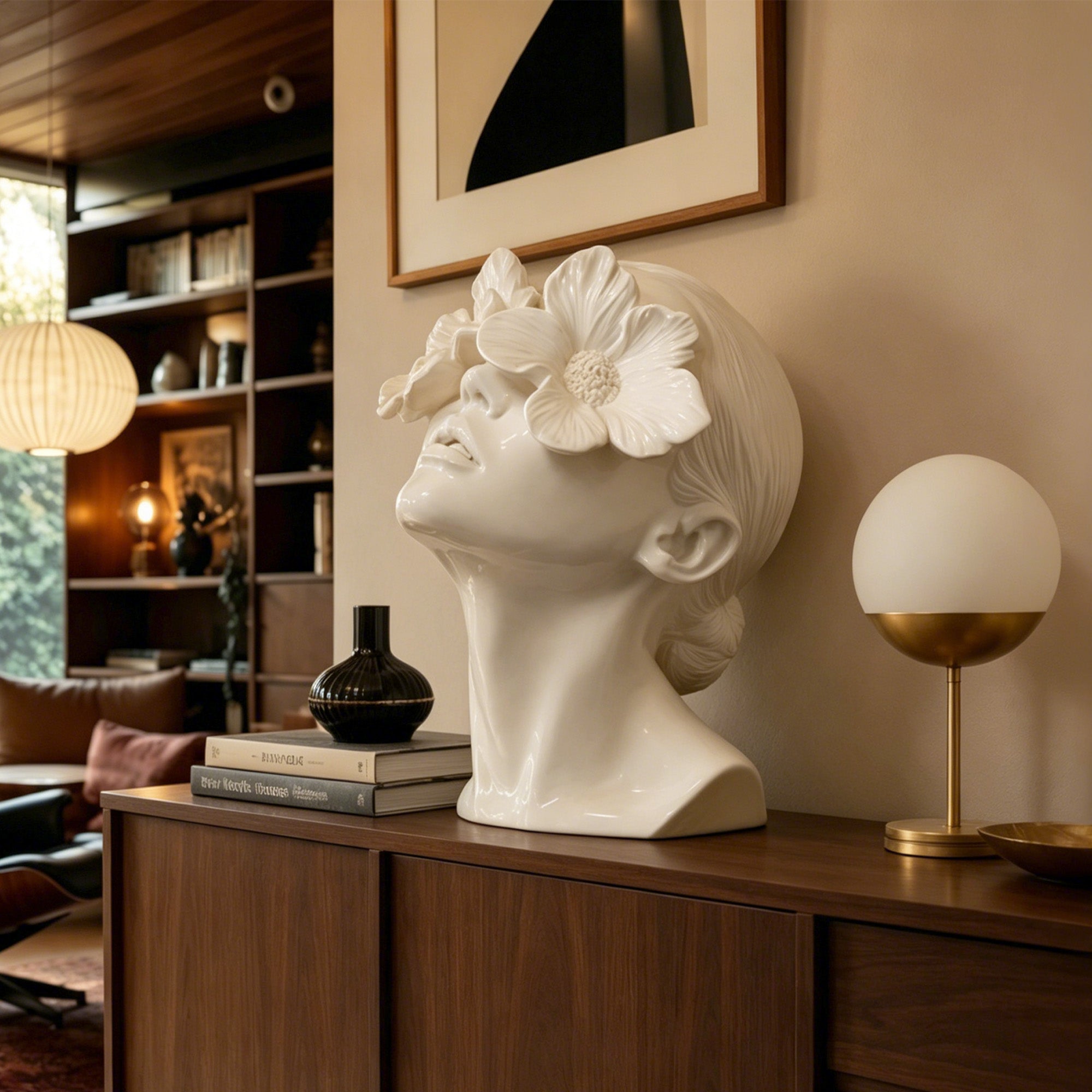
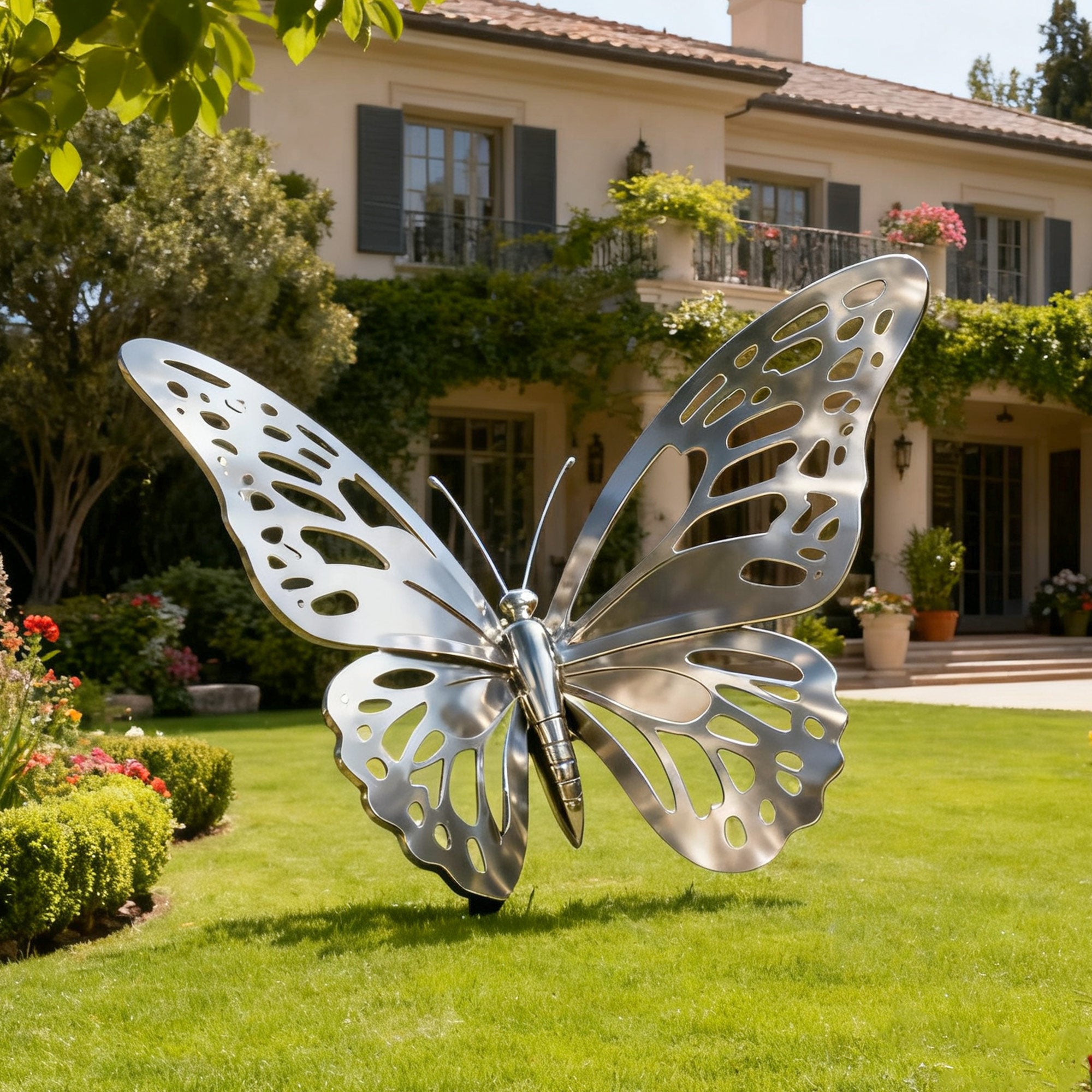
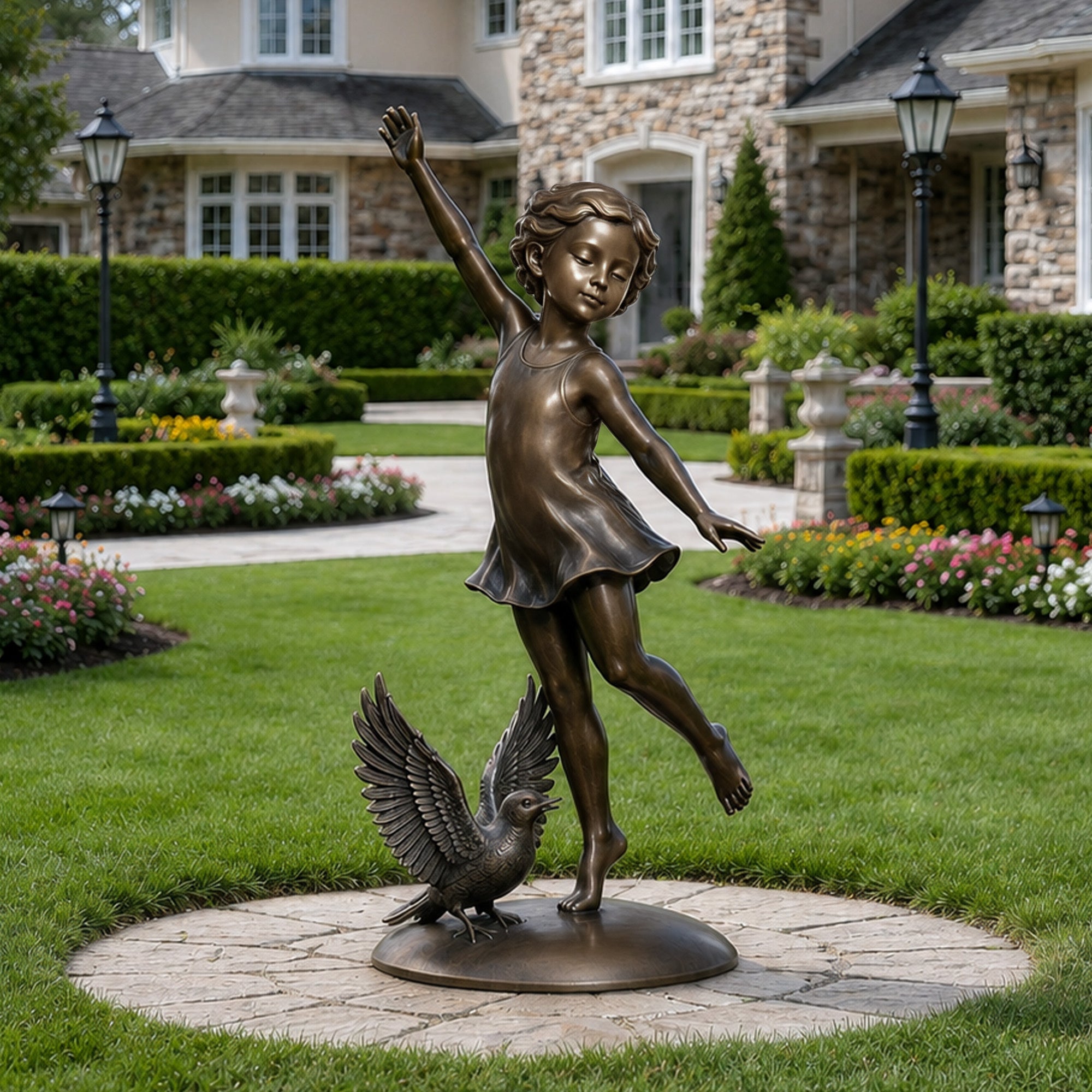
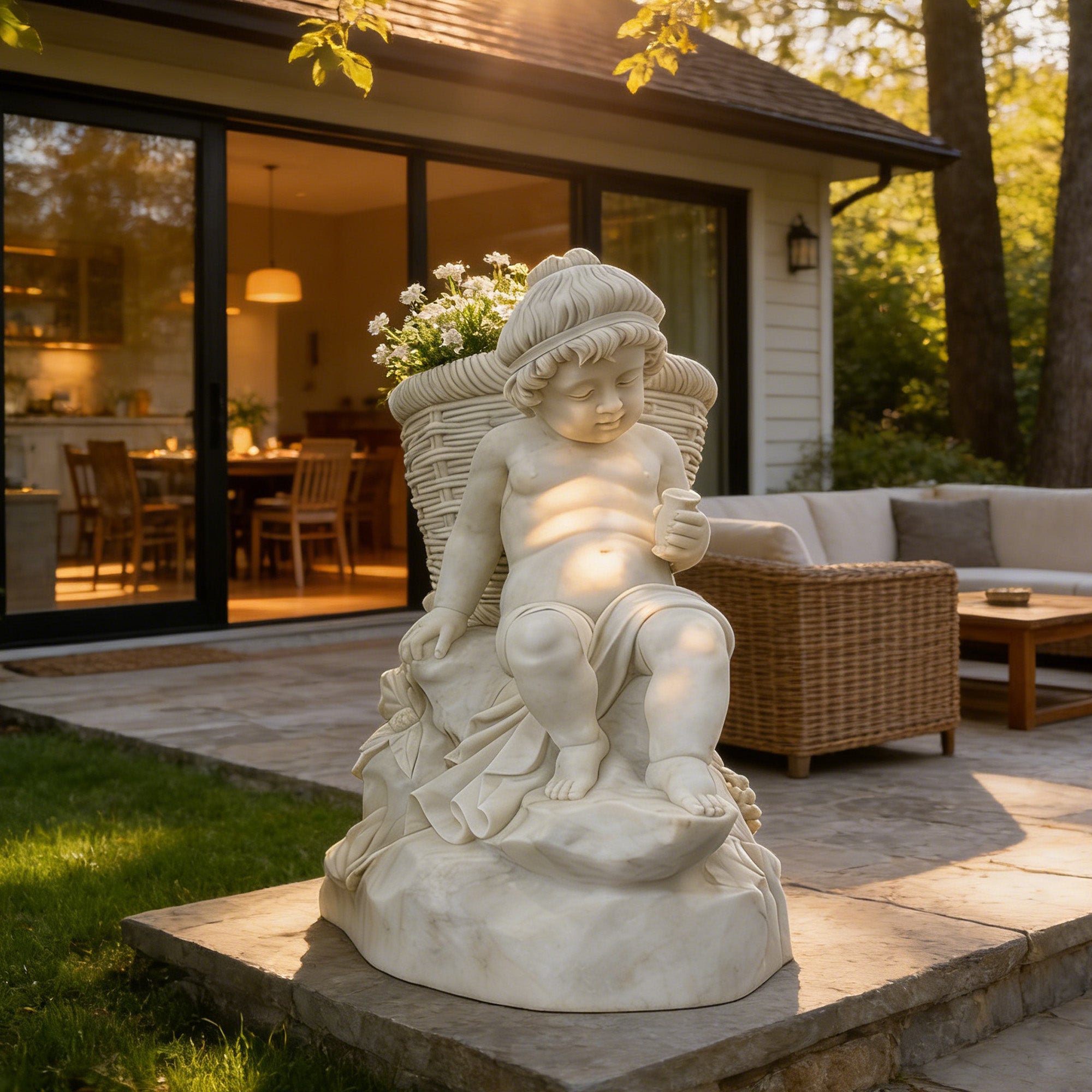



Walk into a beautifully designed room, and you will notice something. The furniture is carefully chosen. The colors work together. The lighting sets the right mood. But something still feels missing. That missing piece is often sculpture.
Paintings and prints are familiar. They hang on walls, fill empty space, and add color. But they stay flat. They stay on the surface. They do not ask you to walk around them, see them from different angles, or notice how the light changes them throughout the day.
Sculpture does all of that. It occupies space. It demands attention. It tells a story. Whether you choose a bronze sculpture, a marble statue, a stainless steel sculpture, or a figurative sculpture, the presence of three-dimensional art transforms how a room feels and functions.
As Celeste Greenberg, co-founder of Tuleste Factory, puts it: "Sculptures can transform any room and infuse it with personality. They are typically one-of-a-kind artworks that can be conversation-starters for curious guests and a visually appealing way to elevate an environment."
This guide explores how sculpture adds story, emotion, and personality to interior spaces—and why it deserves a place in your home.

Sculpture as Storyteller
Every room tells a story. The question is: what story does yours tell?
Sculpture has a unique ability to carry narrative in ways that flat art cannot. It is not just something you look at—it is something you experience. As Australian artists Gillie and Marc explain, sculpture is "not just a decorative element, but a storyteller."
A Personal Narrative
The sculptures you choose say something about who you are. They reflect your tastes, your experiences, and what matters to you. As one design source notes, sculpture decoration "represents the way a person lives, his personality traits, his tastes, and the way he interprets the world around him."
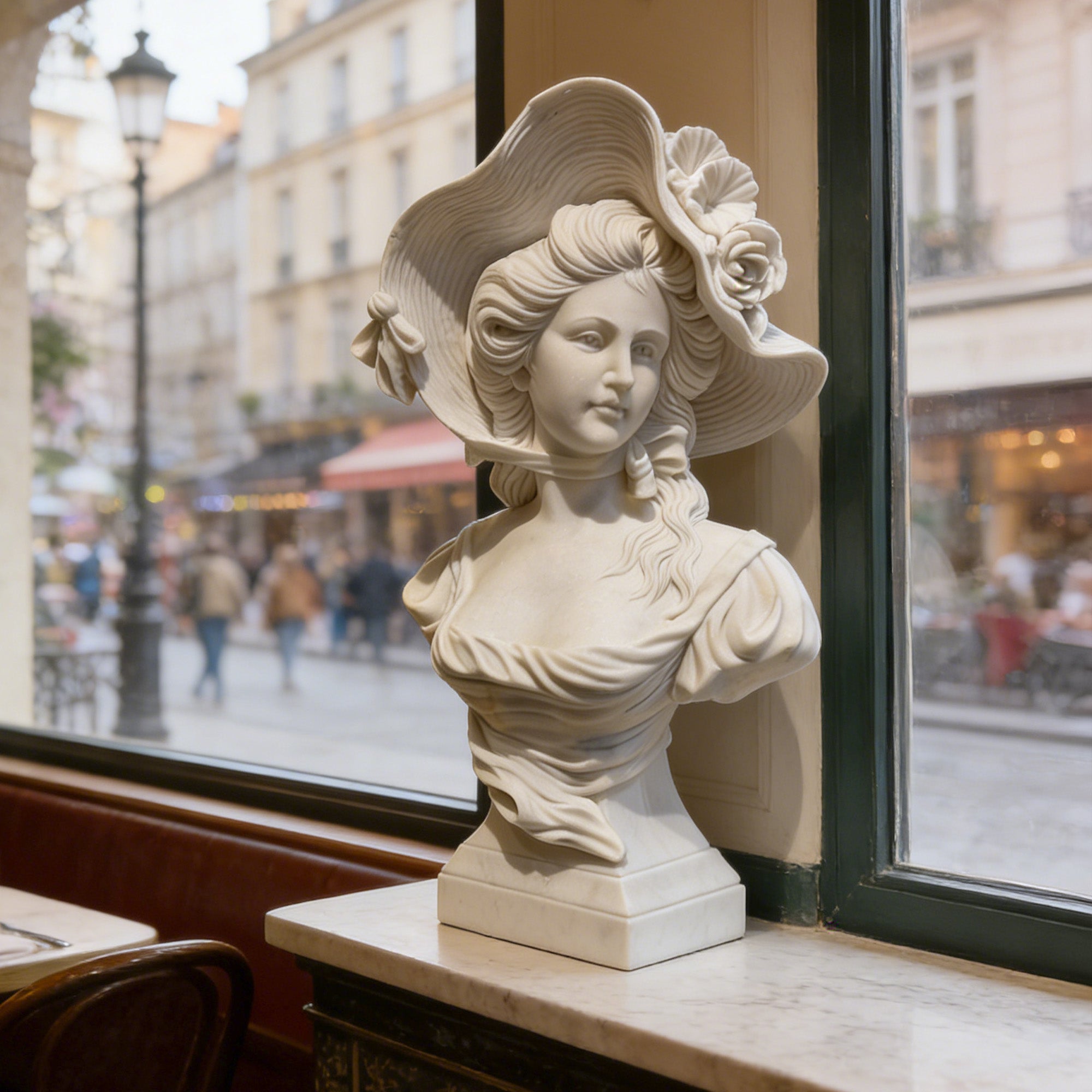
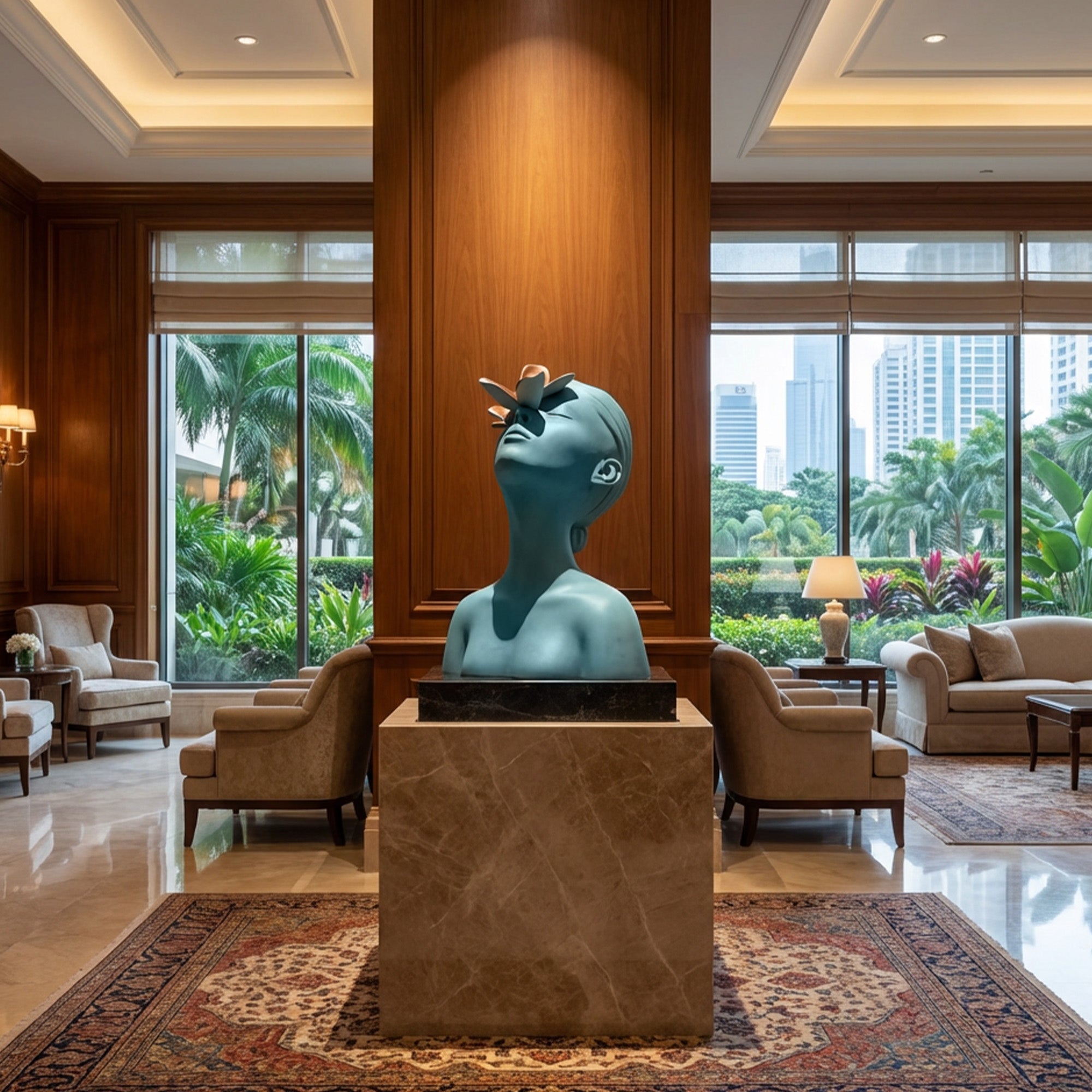
A classical bust in a modern apartment tells a story of someone who values history and tradition. An abstract sculpture with organic form speaks to a connection with nature. A bold, colorful fiberglass sculpture announces that this is a space where creativity and playfulness are welcome. Each piece becomes a decorative focal point that reveals something about the person who chose it.
A Conversation Starter
Sculptures naturally invite curiosity. Guests will ask about them. Where did you find it? What does it mean? Who made it? These questions open doors to conversation in ways that a framed print rarely does.
This is particularly true of one-of-a-kind or custom sculptures. They carry stories that mass-produced decor simply cannot match. Each sculpture has a history—of its creation, of its journey to your home, of the artist who made it. As a unique art piece, it becomes part of your own story.
A Connection Between Space and Self
Perhaps most importantly, sculpture creates "a connection between space and self." It grounds a room in something personal. It makes a house feel like a home—not because it fills empty space, but because it reflects the people who live there. This is the essence of artistic expression in interior design.

Sculpture as Emotional Anchor
Sculpture does more than decorate. It affects how we feel.
The Science of Art and Well-Being
This is not just subjective. Research supports it. According to the American Art Therapy Association, exposure to visual art in personal spaces "contributes to stress reduction and improved emotional states." A 2021 study published in Frontiers in Psychology found that viewing art at home can "enhance feelings of happiness and cognitive stimulation."
Sculpture, with its physical presence and tangible form, may have an even stronger effect than two-dimensional art. It occupies the same space you do. You share a room with it. That creates a different kind of relationship—one that engages not just the eyes, but the whole body.
Evoking Feeling
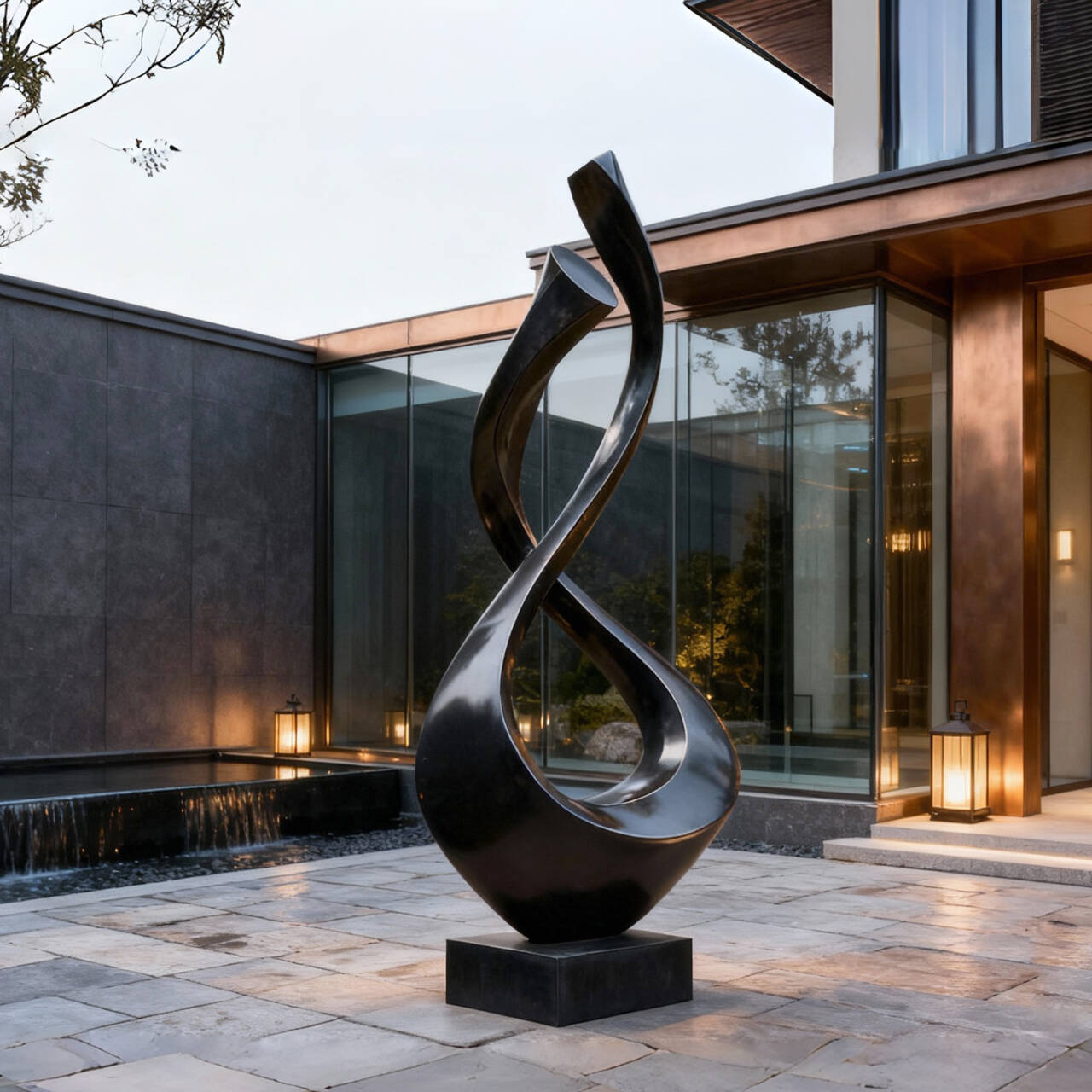
Different sculptures evoke different emotions. A smooth, organic abstract sculpture can bring calm. A dynamic, angular metal sculpture can energize a space. A tender figurative sculpture can evoke warmth and connection. A bronze sculpture with a rich patina can feel timeless and grounding.
As Karin Meyn of the Dutch design firm Piet Boon observes, sculpture lends "an emotional dimension" to a room, "whether it's stirring emotions, creating intrigue, or simply bringing joy."
The Power of Material
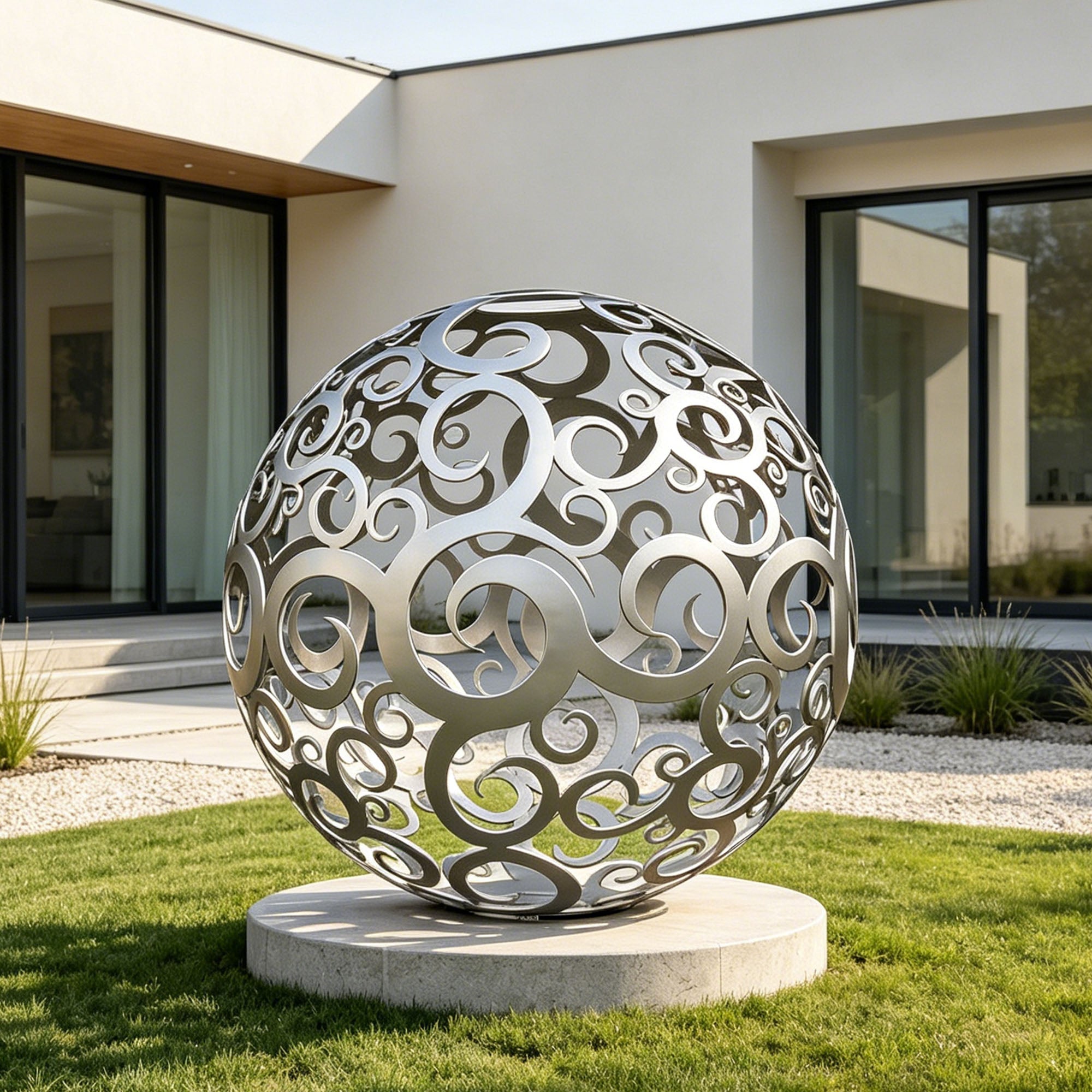
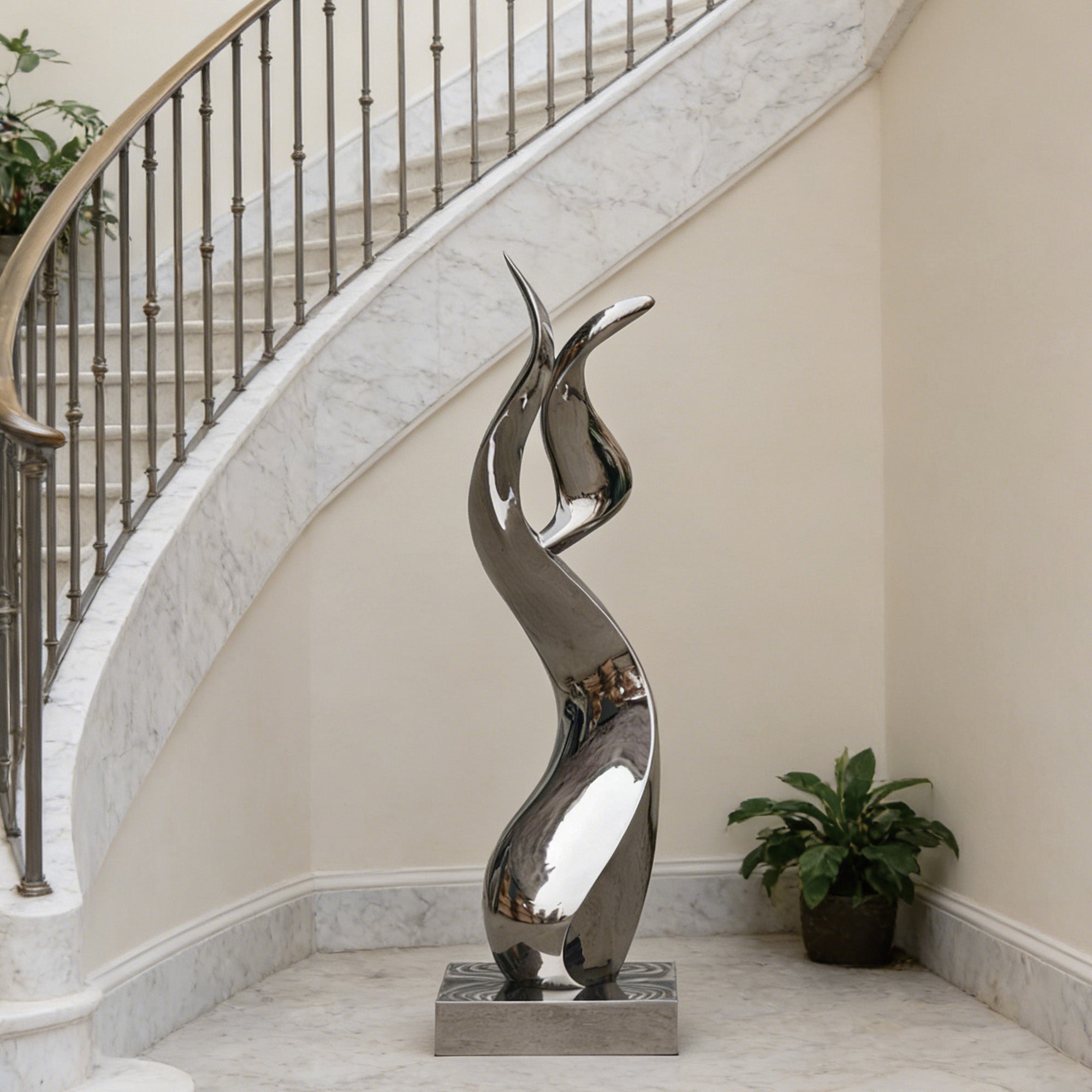
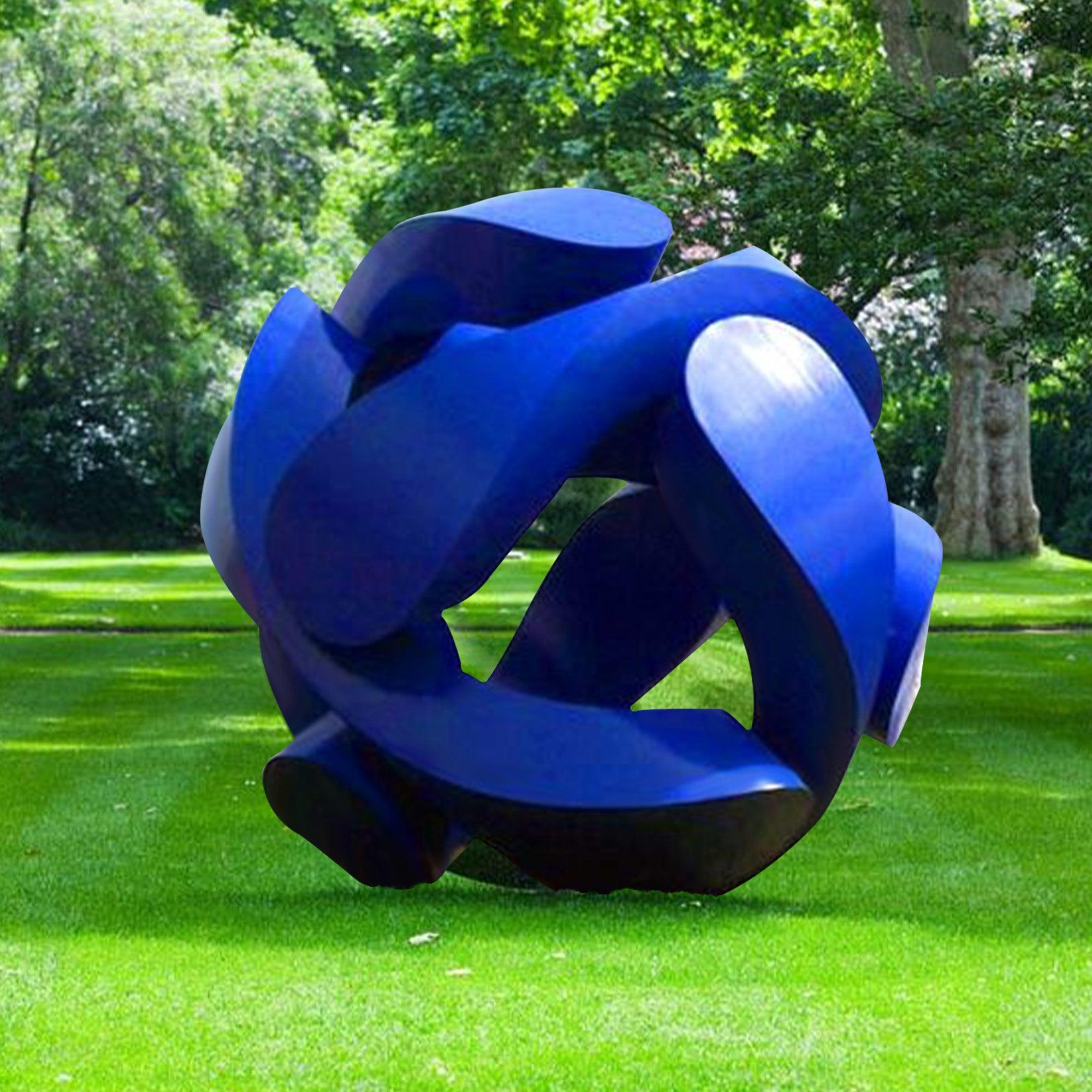
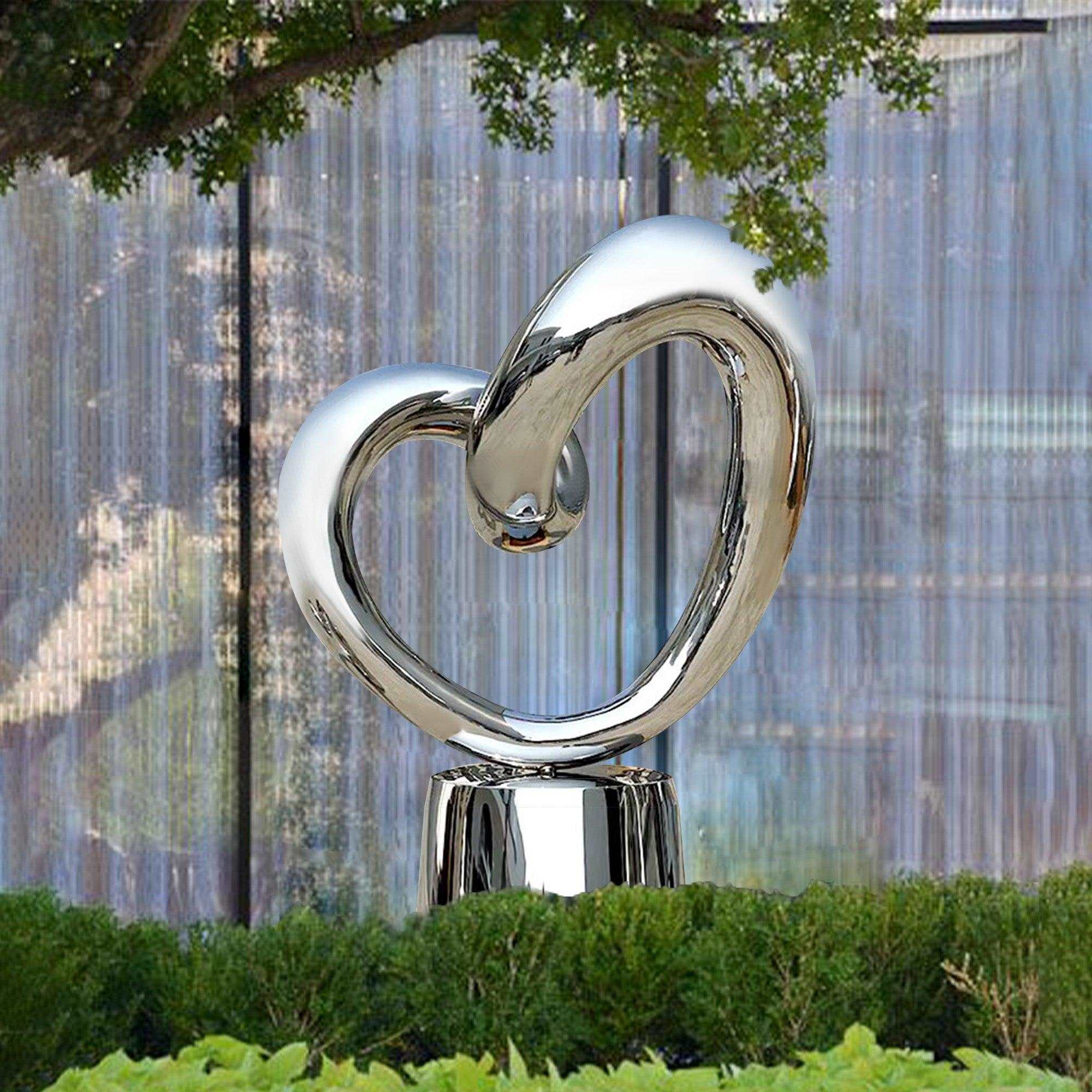
The material of a sculpture also shapes its emotional impact. Bronze feels warm, substantial, and timeless. Marble conveys permanence and classical beauty. Stainless steel feels modern, sleek, and reflective. Fiberglass offers versatility and vibrant color possibilities.
Each material carries its own emotional language. Choosing the right one for your space means choosing the feeling you want to create. Whether you prefer modern sculpture or classical sculpture, the material speaks as loudly as the form.
Slow Looking and Discovery
Unlike a painting that reveals itself at a glance, sculpture rewards slow looking. "A great piece will keep revealing something new from different angles and over time." This creates a relationship that deepens with time—not just a decoration you stop noticing after a week, but a presence that continues to engage you. This is the power of sculpture art in interior settings.

Sculpture as a Statement of Personality
In an era of mass-produced decor, personality is what sets a space apart. Sculpture delivers it in spades.
Beyond the Mass-Produced
Walk into any furniture store, and you will see the same prints, the same frames, the same colors. These pieces fill walls, but they do not define spaces. They are forgettable.
Sculpture is different. Even a smaller piece can "pack a punch and bring a lot of pleasure." It does not have to be monumental to make an impact. A bust sculpture on a bookshelf, a small abstract sculpture on a console table, or a bronze art piece on a mantel can all add character without overwhelming a room.
Bold Statements and Subtle Accents
Sculpture can be used in different ways depending on the effect you want. A large floor sculpture can anchor a room and serve as a dramatic decorative focal point. A smaller piece can add "a hint of humor" or "a touch of drama, without being overwhelming." Large garden statues and life-size sculptures make bold statements, while smaller tabletop sculptures offer subtle accents.
The key is intentionality. As one designer puts it, "A sculpture should reflect your lifestyle, values, and the soul of the home. It's not just an object—it's a legacy."
Contrast and Character
Sculpture also offers opportunities for contrast that can define a room's character. A neutral interior can "get a lot of character from a bold statement sculpture, setting a mood, a vibe, a play of shadows, or a strong injection of color palette."
Classical pieces do not have to feel conventional. A classical bust can lend "the perfect touch of whimsy to an otherwise modern room." Modern abstract works can bring fresh energy to traditional spaces. The juxtaposition creates interest and depth, making each piece a powerful artistic statement.
Creating a Personal Gallery
Incorporating sculpture into your decor gives you "an opportunity to create a personal gallery that echoes your style and taste." This is not about following trends. It is about curating a collection that is unmistakably yours—a reflection of your personal style and appreciation for artistic craftsmanship.

Sculpture as Spatial Anchor
Beyond story, emotion, and personality, sculpture also shapes how a room feels and functions.
Defining Space
In open-plan homes with fewer walls, sculpture becomes essential. As interior designer Georgia Collett notes, "You can't hang a painting in the middle of the room in the same way." Sculpture can define zones, create focal points, and give structure to spaces that lack architectural definition.
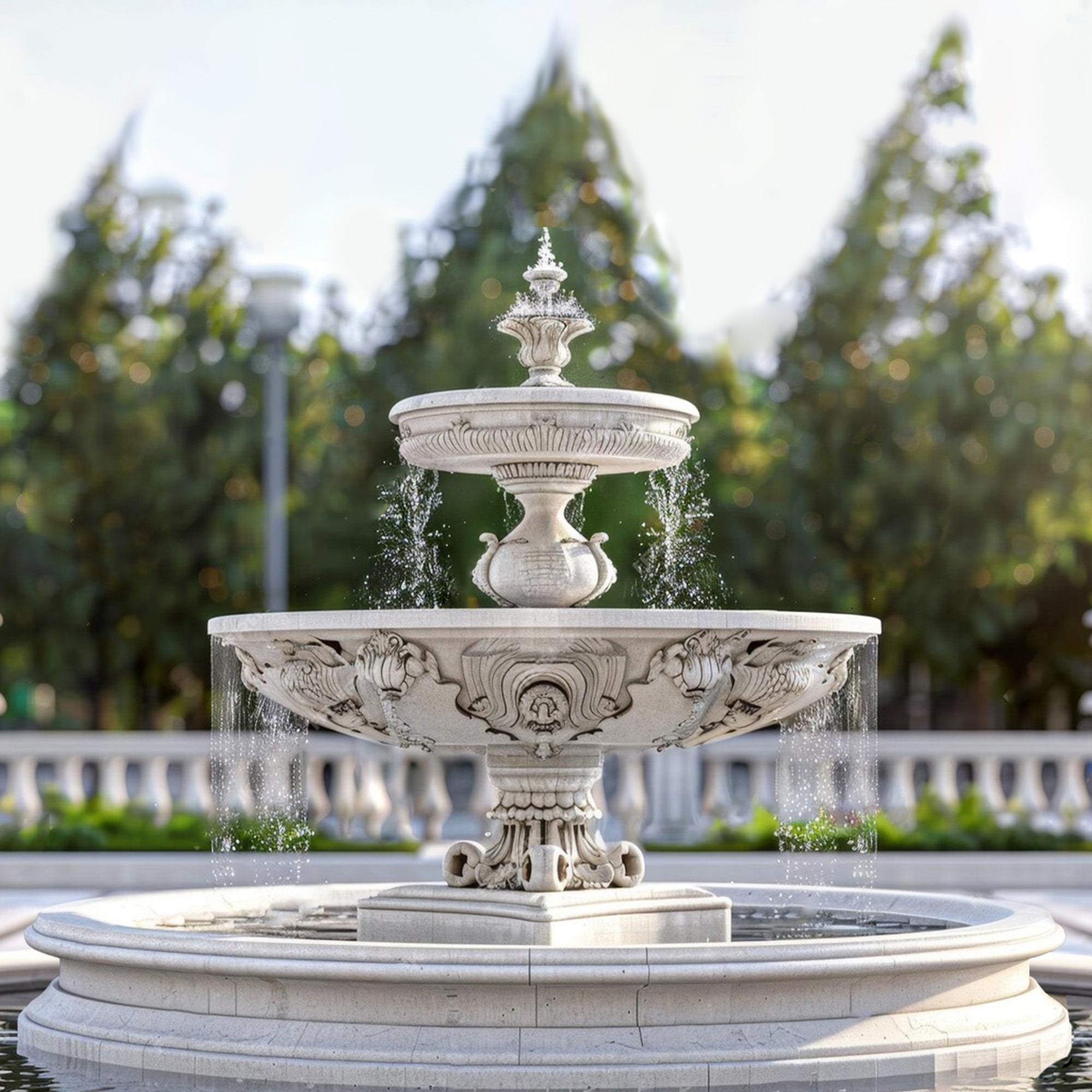
A floor sculpture can "anchor" a room. A piece on a pedestal can draw the eye and create a primary area of interest. Even a small sculpture on a shelf can add visual weight where it is needed. This is especially true for large outdoor sculptures and garden statues that bring the same spatial definition to outdoor environments.
Playing with Light and Shadow
Sculpture interacts with light in ways that flat art cannot. As one designer advises, "let the sculpture breathe and make sure that you allow it to be seen from different angles and different lights so the shadows come out nicely and the sculptural pieces can be appreciated in all their dimensionality and depth."
This means a sculpture changes throughout the day. Morning light casts one set of shadows. Evening light creates another. The piece is never quite the same twice, making it a living presence in your interior setting.
Adding Layers and Texture
Sculpture adds "layers and texture to a room, and moves your eye around the space." It breaks up the visual flatness that can make a room feel one-dimensional. The physical presence of a sculpture—its weight, its surface, its form—adds richness that cannot be achieved through paint or wallpaper alone.
Transforming Non-Functional Spaces
Sculpture can also transform areas that might otherwise feel awkward or unused. "With the installation of a bespoke piece of sculpture, a non-functional space becomes a focal point transforming the surrounding area." Corners, alcoves, and entryways all become opportunities for sculptural intervention. A carefully placed wall sculpture or floor sculpture can turn an overlooked corner into a destination.

Sculpture is not just decoration. It is storytelling. It is emotional connection. It is personal expression. Unlike paintings that stay on the surface, sculpture occupies space and demands engagement. It invites you to walk around it, see it from different angles, and notice how light and shadow play across its form. It changes how you experience a room—not just visually, but emotionally.
The right sculpture can anchor a space, spark conversation, and reflect who you are. It can bring calm or energy, tradition or modernity, subtlety or drama. It can turn a house into a home and a room into a destination. Whether you choose a bronze sculpture, a marble statue, a stainless steel sculpture, or a fiberglass sculpture, the possibilities for artistic expression are endless.
As one designer put it: "Sculpture has more presence than paintings or photography." That presence is exactly what makes it so powerful.
So the next time you look at a room and feel something is missing, do not reach for another framed print. Reach for something with depth. Reach for something with weight. Reach for something that tells a story.
Explore our collection of custom sculptures—available in bronze, stainless steel, marble, and fiberglass—and find the piece that belongs in your space.