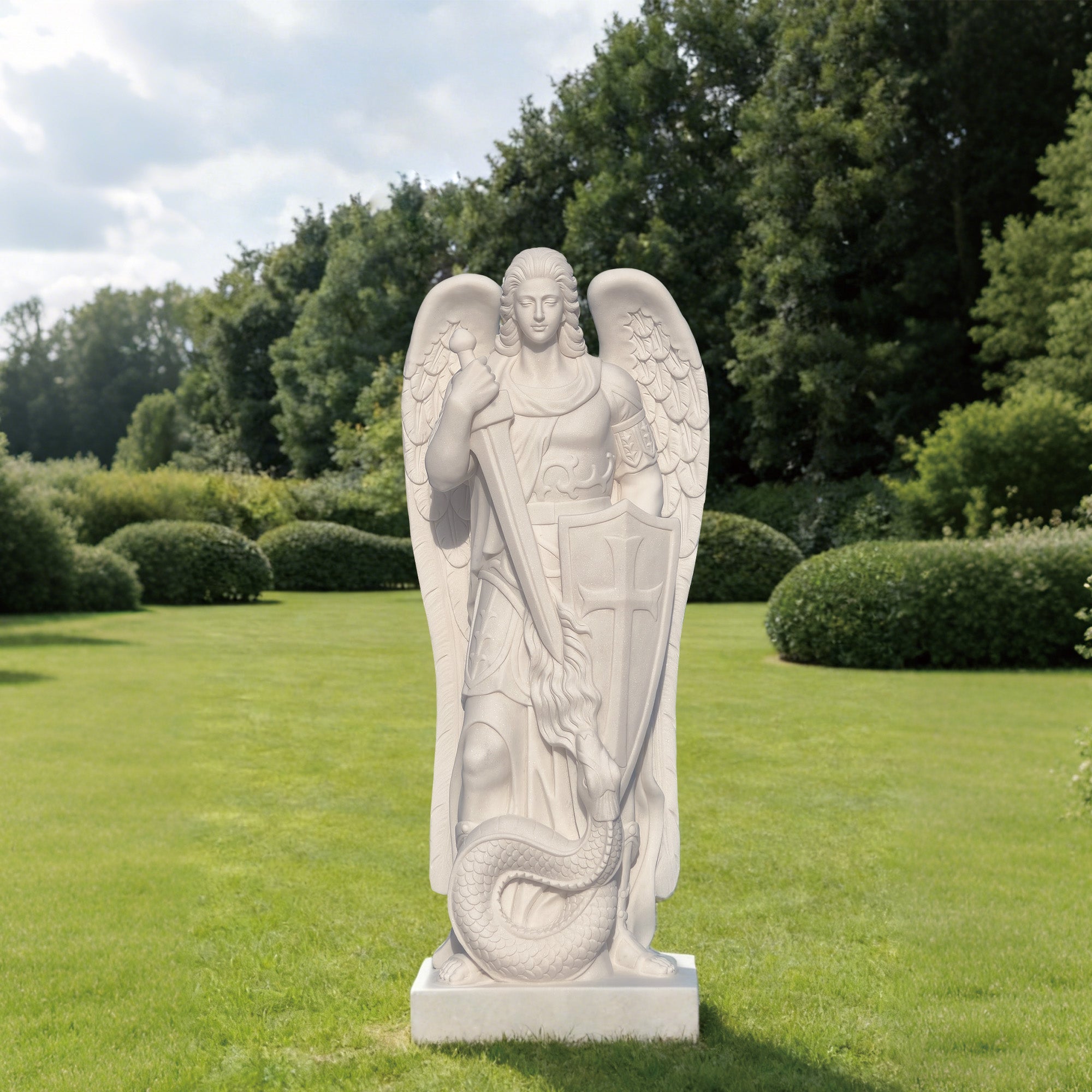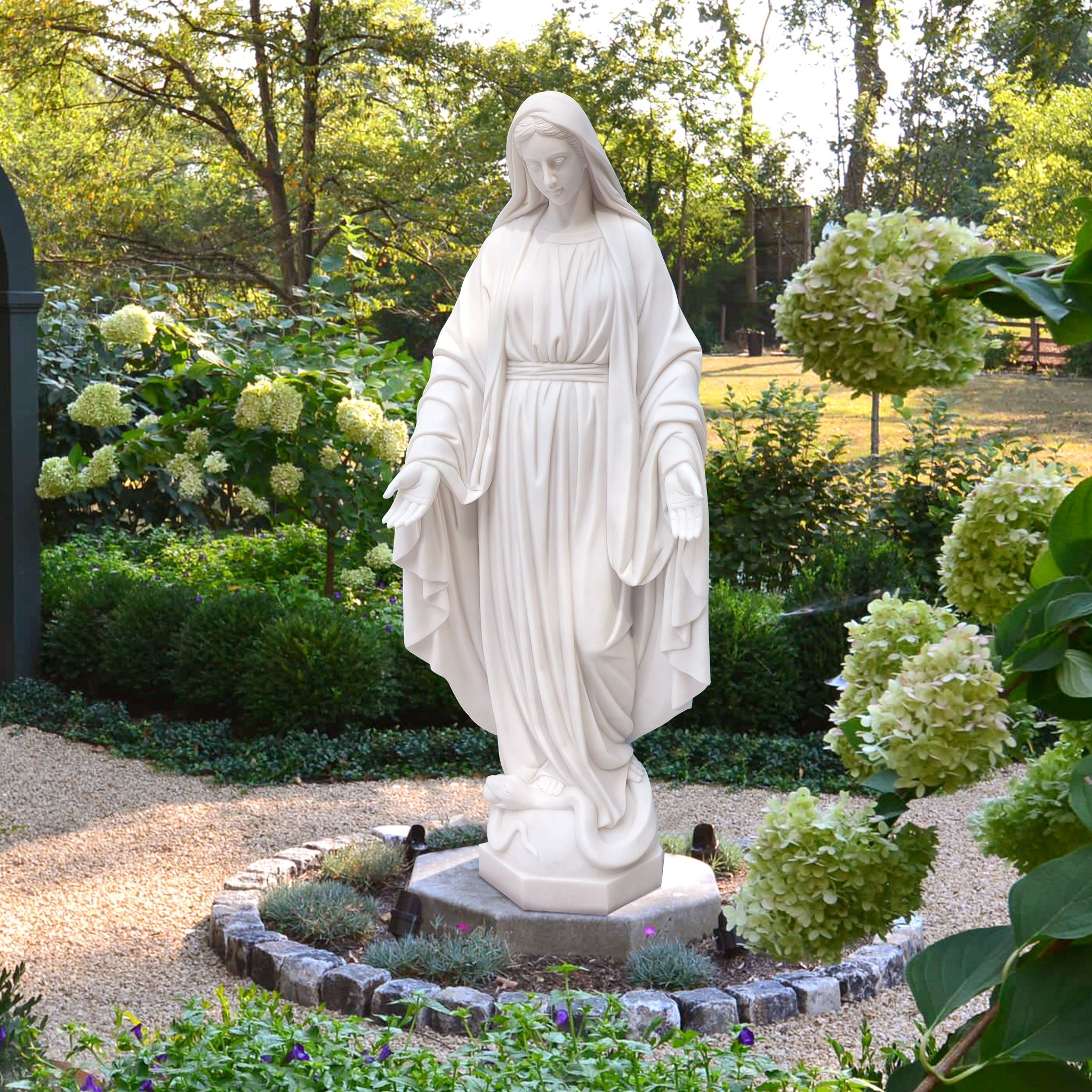
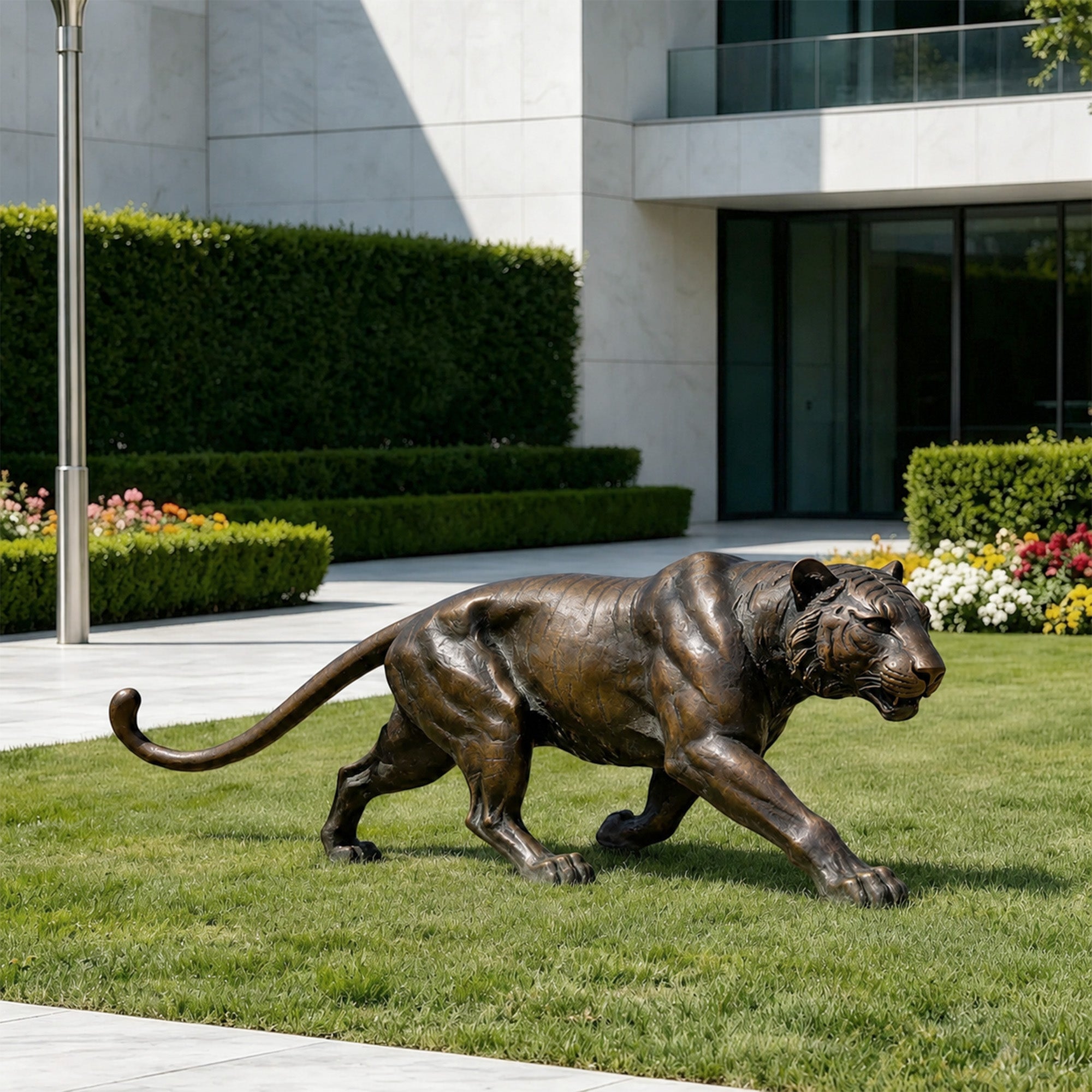
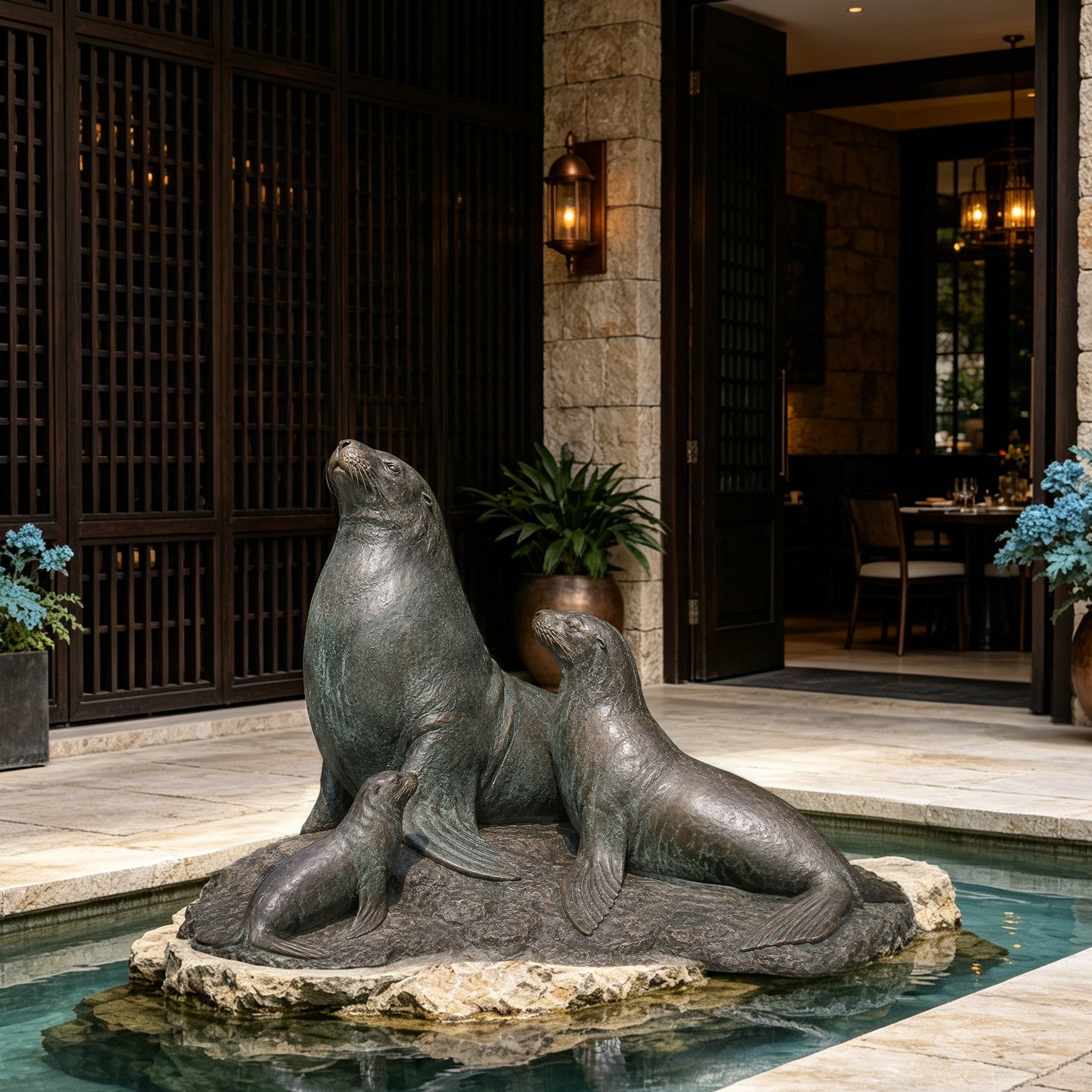

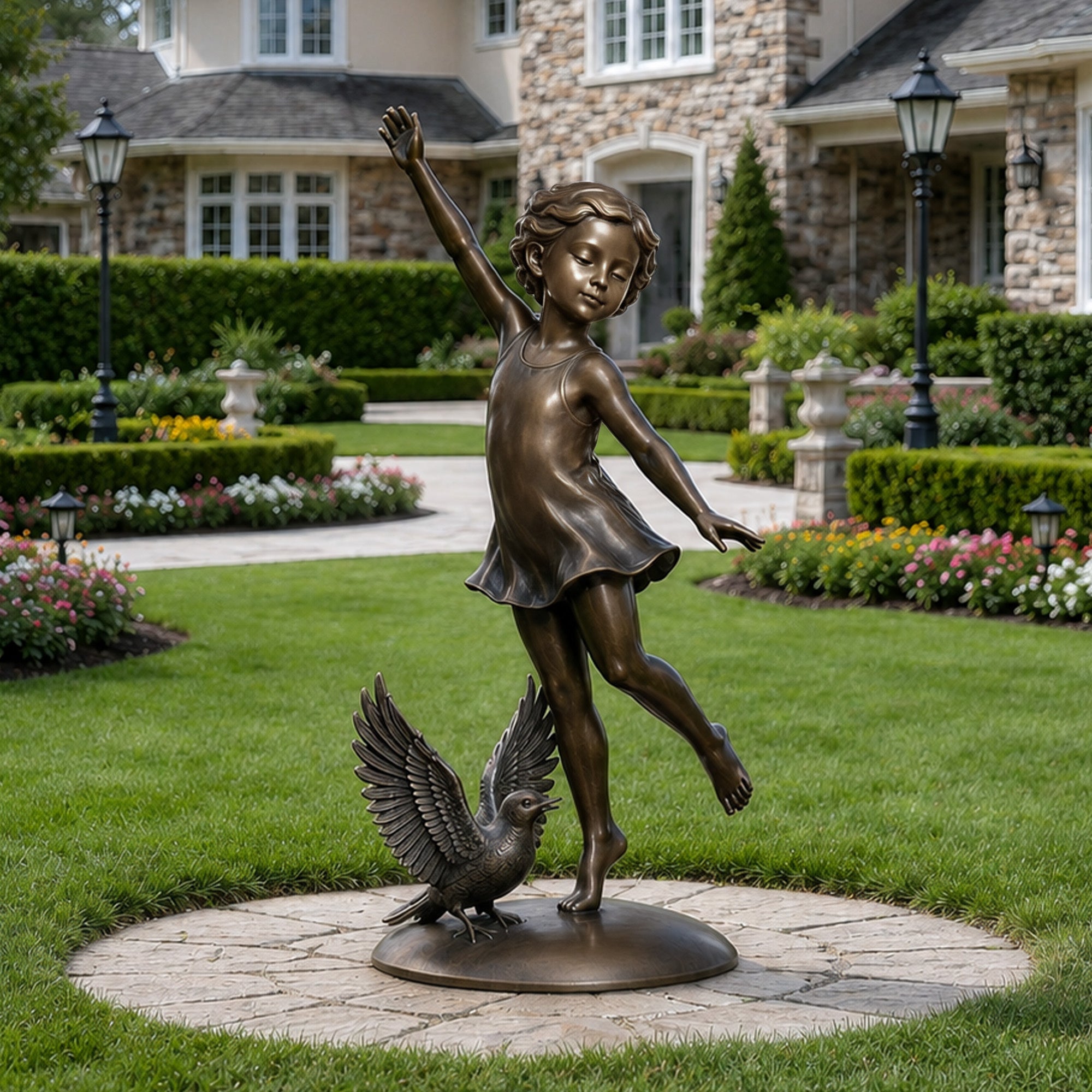

Bronze animal sculptures are popular in landscape design because they combine immediate emotional recognition with the detail and outdoor presence needed for a lasting focal point. A deer can make an estate garden feel quieter, a horse can give a hotel arrival court energy, and cranes can reinforce the calm of a water garden. The strongest choice is not simply the most attractive animal; it is the subject, scale, pose, patina, and placement that best support the site's purpose.

Animal Forms Create an Immediate Human Connection
Animals are unusually accessible subjects. Visitors do not need an art-history explanation to recognize alertness in a stag, loyalty in a dog, or grace in a crane. That recognition lets a sculpture establish a mood before a guest has consciously studied the planting plan.
There is also historical depth behind the appeal. The Metropolitan Museum of Art notes that nineteenth-century American animal bronzes were valued for physical detail and emotional resonance, while sculptors such as Edward Kemeys helped bring monumental animal works into zoos, parks, and plazas. The museum's account shows that animal sculpture has long operated at two levels: as a close observation of wildlife and as a carrier of cultural ideas about place, memory, and identity.
For a current project, that dual role is useful. A realistic fox can make an intimate garden feel observant and slightly playful. A stylized bull can project confidence at a commercial entrance. A family group can introduce warmth without relying on signage or literal branding.

Why Bronze Works So Well Outdoors
Bronze gives a designer a rare combination of sculptural precision and strong outdoor presence. Casting can preserve fur, feathers, muscles, facial expression, and subtle modeling marks. At the same time, a bronze form can read clearly against foliage, stone, water, or architecture.
Its surface also changes character with light. Dark patinas can appear almost black in shade and reveal warm highlights in direct sun. Green or brown variation can make the work feel integrated with vegetation rather than placed on top of it. The Copper Development Association explains that bronze develops a patina through outdoor exposure, but also cautions that the environment affects how that patina evolves.
Durability should not be confused with zero maintenance. The Canadian Conservation Institute advises that outdoor cast-metal sculpture still needs periodic inspection, renewed protective finishes, sound drainage, and attention to bases and mounting systems. Water should not collect in recesses or enter hollow cavities. These are specification issues, not afterthoughts. Buyers can compare these requirements against the site's current life-size bronze horse sculpture before requesting a custom size or finish.
Bronze Animals Can Perform Several Landscape Roles
A successful sculpture should have a job within the spatial plan. At an entrance, a horse, lion, or bull can create a memorable landmark and reinforce a sense of arrival. In a long garden axis, a single upright figure can terminate the view. Beside a pond, cranes or herons can connect the artwork to water and reflected light. In a woodland garden, deer, bears, or foxes can appear gradually as visitors move along a path.
Animal groups are especially effective when the site needs a small narrative. A parent-and-young composition suggests protection and continuity. A pair of birds can imply partnership. A moving herd can add direction to an otherwise static lawn. These readings are not universal, so the design team should test the intended symbolism against the client's culture, audience, and brand rather than assuming one fixed meaning.
The sculpture can also solve a practical visual problem. It may give winter structure after perennials disappear, bring contrast to a large green field, or provide a recognizable meeting point in a resort or public garden.

Choose the Animal, Pose, and Style Together
Begin with the experience the landscape should create. For serenity, consider deer, cranes, rabbits, or a reclining animal with a quiet silhouette. For movement, use a walking horse, leaping fish, running hounds, or birds preparing to take flight. For authority, a lion or bull may fit, but an overly aggressive pose can feel theatrical or unwelcoming in a hospitality or residential setting.
Next, choose the artistic language. A highly realistic work supports botanical gardens, wildlife-focused properties, traditional estates, and projects where species recognition matters. A simplified or abstract animal can suit contemporary architecture because the mass, line, and negative space become more important than anatomical detail.
Finally, inspect the model from every expected viewpoint. An animal that looks convincing in one product photograph may have a weak rear view, a visually heavy base, or a pose that disappears against dense planting. Ask for dimensions, multiple views, finish samples, and a clear explanation of how the work will be anchored. For custom work, review the clay or digital model at the intended viewing height before casting. The site's Majestic Stag bronze deer sculpture also shows why arrival views, grouping, and estate-scale context should be considered together.

Scale and Siting Determine Whether the Sculpture Belongs
Size should be judged against the viewing distance and the volume of the landscape, not against an indoor room. A small animal can work beside a bench or within a courtyard planting bed, where visitors encounter it closely. The same piece may disappear in a broad lawn. Conversely, a monumental animal can overwhelm a narrow path or feel obstructive near a doorway.
Test scale with a full-size cardboard silhouette, temporary frame, or simple site visualization. Review the sculpture from the arrival route, primary windows, seating areas, and nighttime approach. Include the plinth in the test because it changes both total height and perceived formality.
The site must also support operations. The Canadian Conservation Institute's outdoor-object guidance recommends assessing exposure to water, pollutants, wind, physical contact, vandalism, and nearby grounds equipment. Mowers, de-icing salts, irrigation overspray, and overhanging branches can all affect the object or its base. Drainage openings in hollow castings must remain clear, and water should shed away from the foundation.

Plan the Finish, Installation, and Care Before Ordering
Before approving a bronze animal sculpture, ask four questions: Does the subject fit the place? Does the scale work from the real viewing distances? Can water drain from both sculpture and base? Is there a funded inspection and maintenance plan? When all four answers are clear, the artwork is far more likely to feel intentional and age with dignity.
For a project-specific recommendation, prepare a target dimensions, preferred animal, and desired mood. A sculpture specialist can then help compare an existing model with a custom commission and coordinate the work with the landscape architect, structural consultant, installer, and maintenance team.
Frequently Asked Questions
Are bronze animal sculptures suitable for year-round outdoor display?
They can be designed for year-round display, but suitability depends on casting quality, drainage, mounting, coating, local climate, and maintenance. Coastal salt, de-icing salts, industrial pollution, irrigation, freeze-thaw conditions, and frequent touching may increase care requirements. Confirm the complete sculpture-and-base assembly is specified for the actual site.
Which bronze animal works best for a landscape?
Choose the animal that supports the desired experience and has an appropriate relationship to the property's audience and identity. Deer and cranes often feel calm; horses suggest movement; lions and bulls can feel formal or powerful. Pose and style matter as much as species, so evaluate the complete model in context.
Should the sculpture be life-size?
Not necessarily. Life-size work provides instant familiarity, but a smaller piece can reward close discovery and an enlarged piece can create a landmark. Base the decision on viewing distance, planting volume, nearby architecture, circulation, and the visual height added by the plinth.
Does an outdoor bronze sculpture need a plinth?
A plinth is not always required, but it can improve visibility, establish formality, protect the work from equipment, and provide a stable mounting interface. Low integrated bases may feel naturalistic, while taller stone plinths feel ceremonial. The foundation and anchors still need structural review.
How should a bronze animal sculpture be maintained?
Start with routine visual inspections and keep records of surface changes, loose joints, blocked drains, coating wear, staining, and damage. Cleaning or coating work should follow the foundry's guidance and, for valuable or complex pieces, a qualified conservator's advice. Avoid aggressive DIY polishing that may remove an intended patina.