
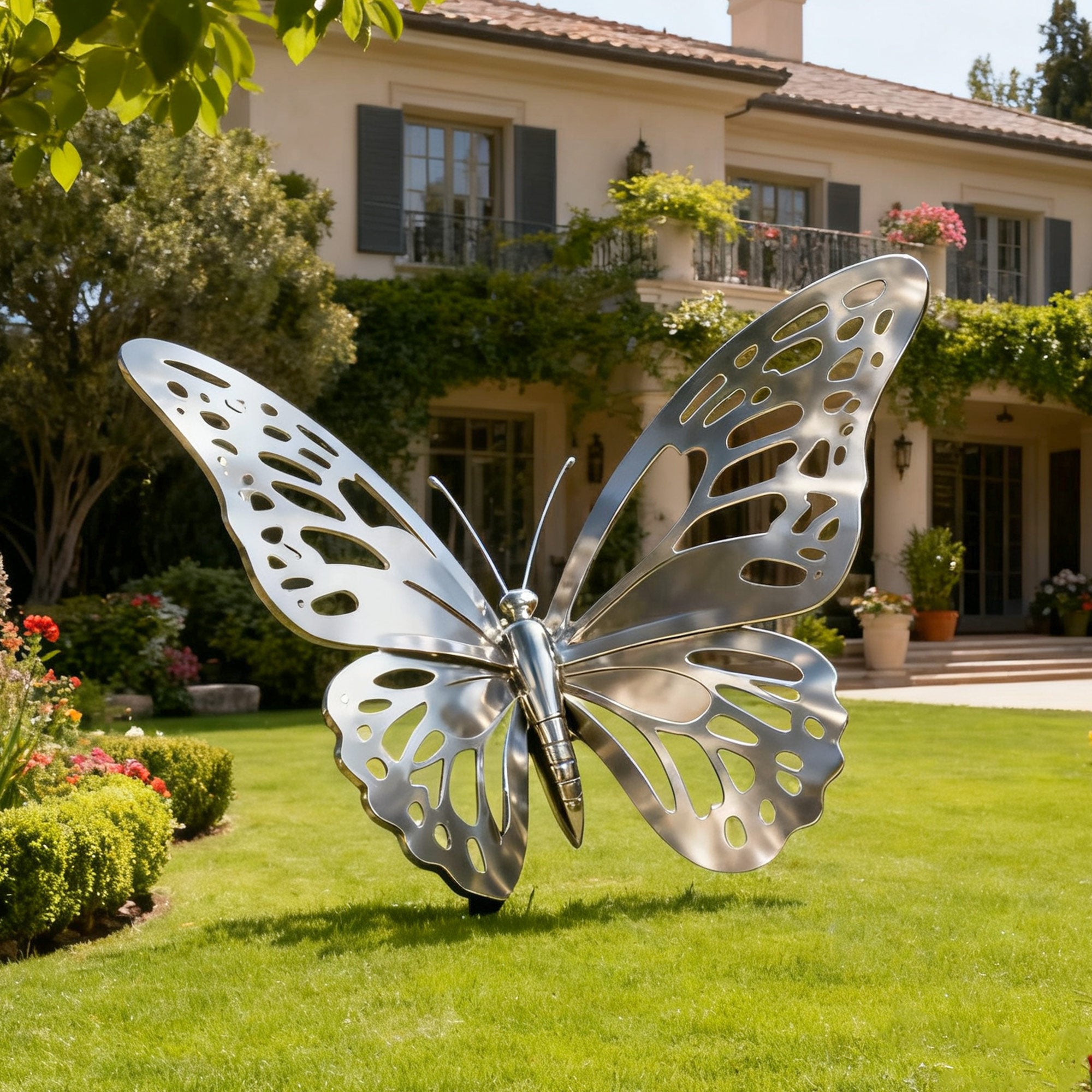
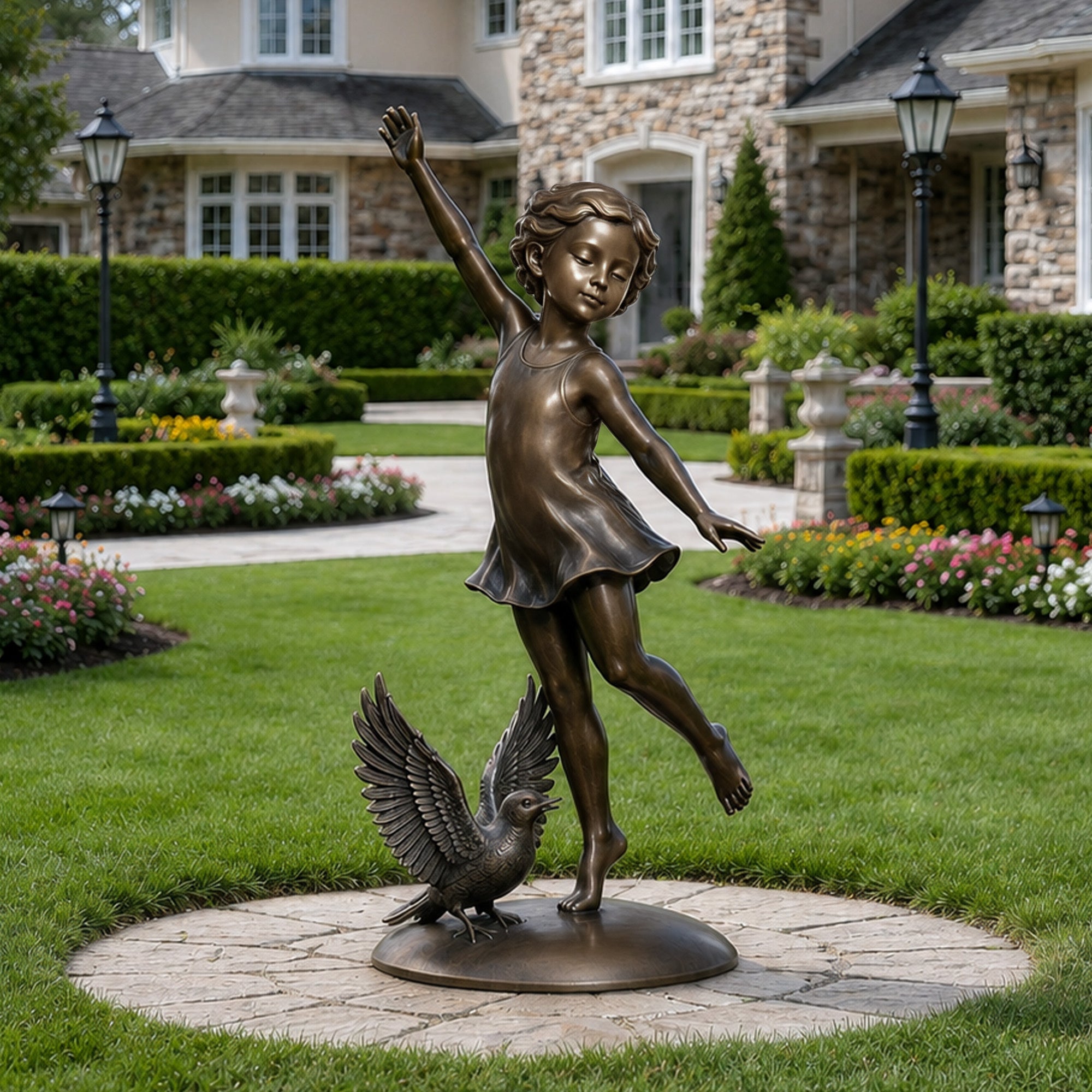
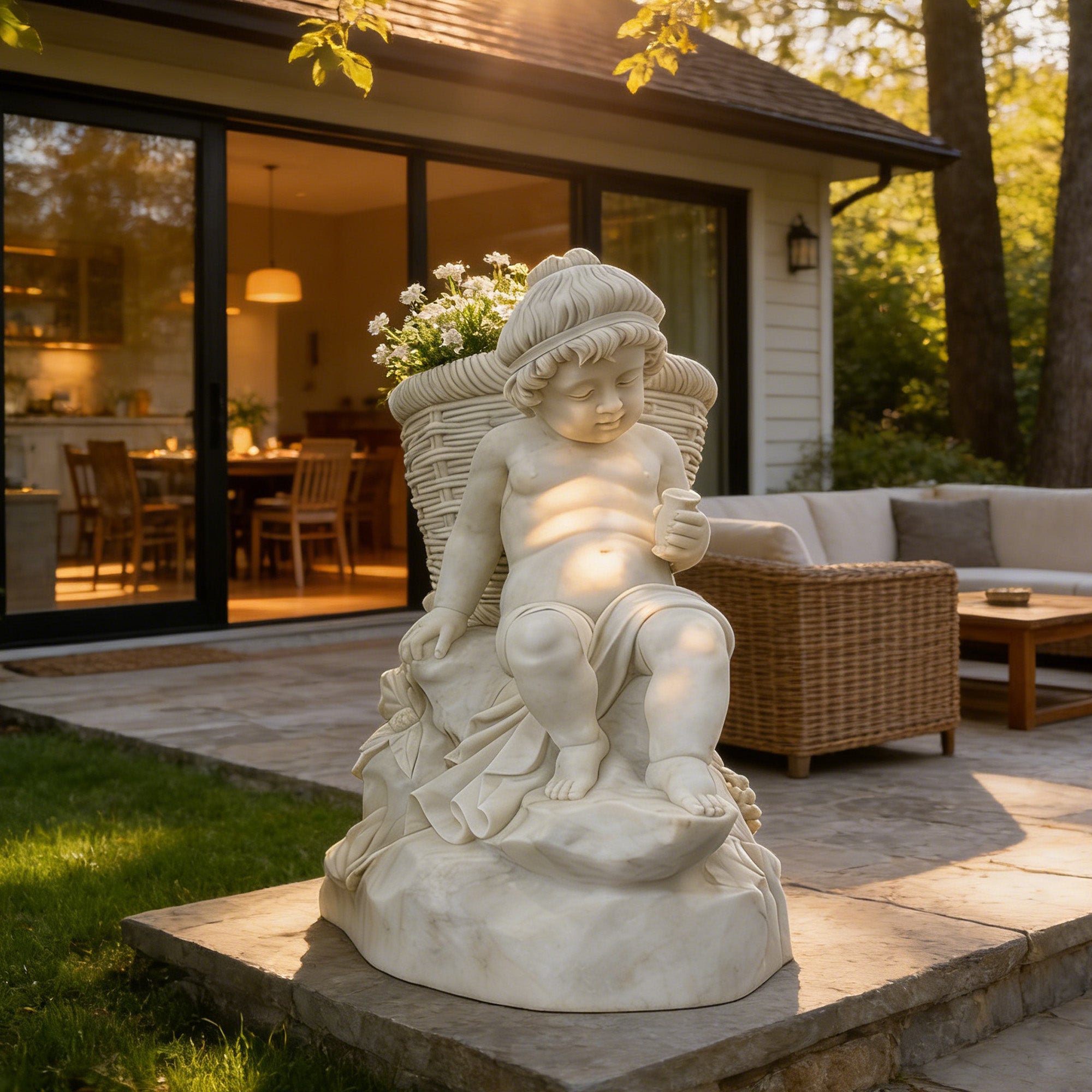
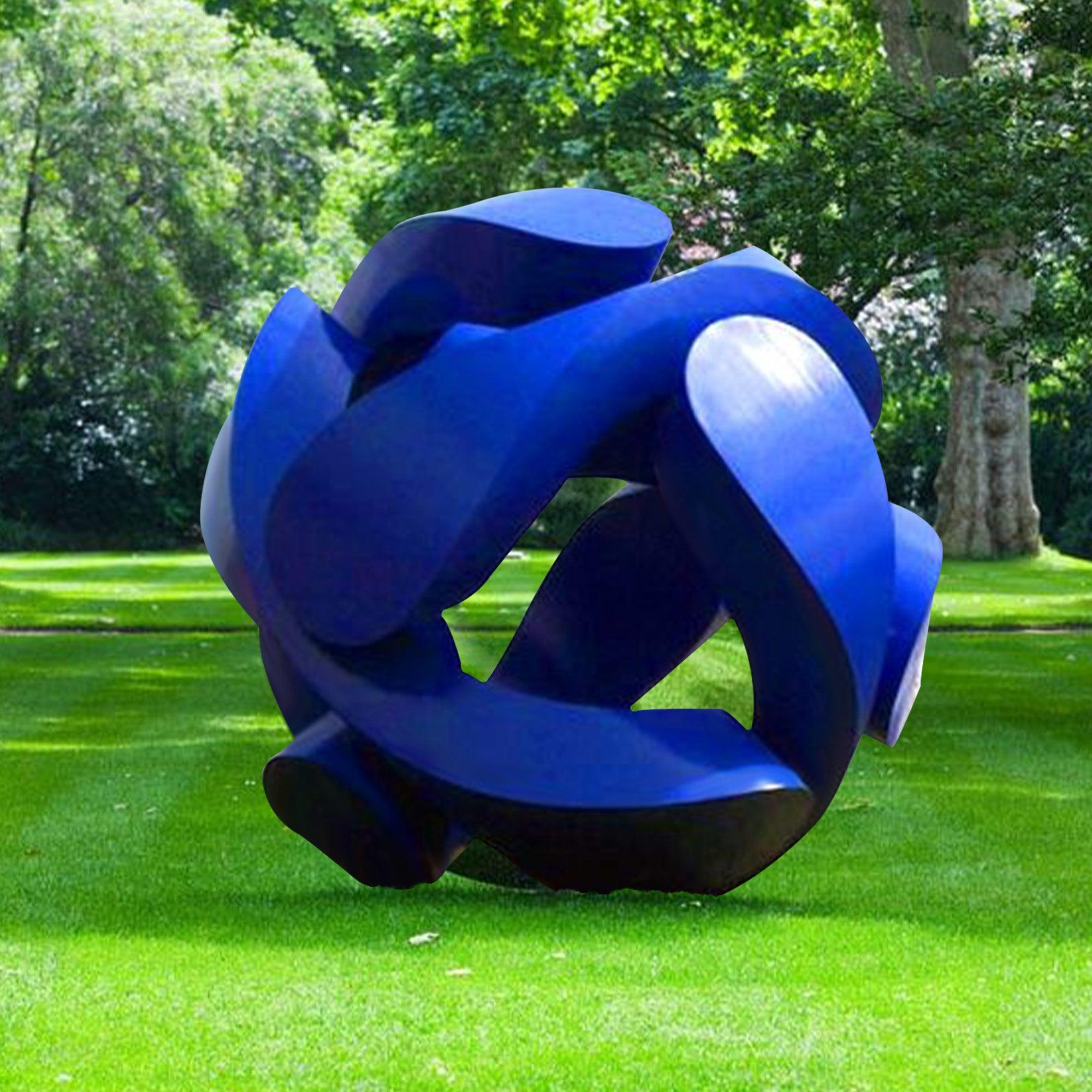

Bronze has a special ability to turn the human figure into something lasting. From the calm beauty of a classical figure to the movement of an athlete, the mystery of a mythological character, or the imagination of a futuristic form, bronze figure sculptures can tell very different stories while sharing the same timeless material.
For centuries, artists have used bronze to capture the human body, movement, personality, and emotion. Today, bronze figurative sculpture continues to appear in gardens, parks, plazas, cultural institutions, memorial spaces, commercial properties, and private collections.
At Finest Sculpture, bronze human sculptures can be created in many artistic directions. Here are some of the most popular themes to explore when choosing a bronze figure statue.
1. Classical Figures: Timeless Forms Inspired by History
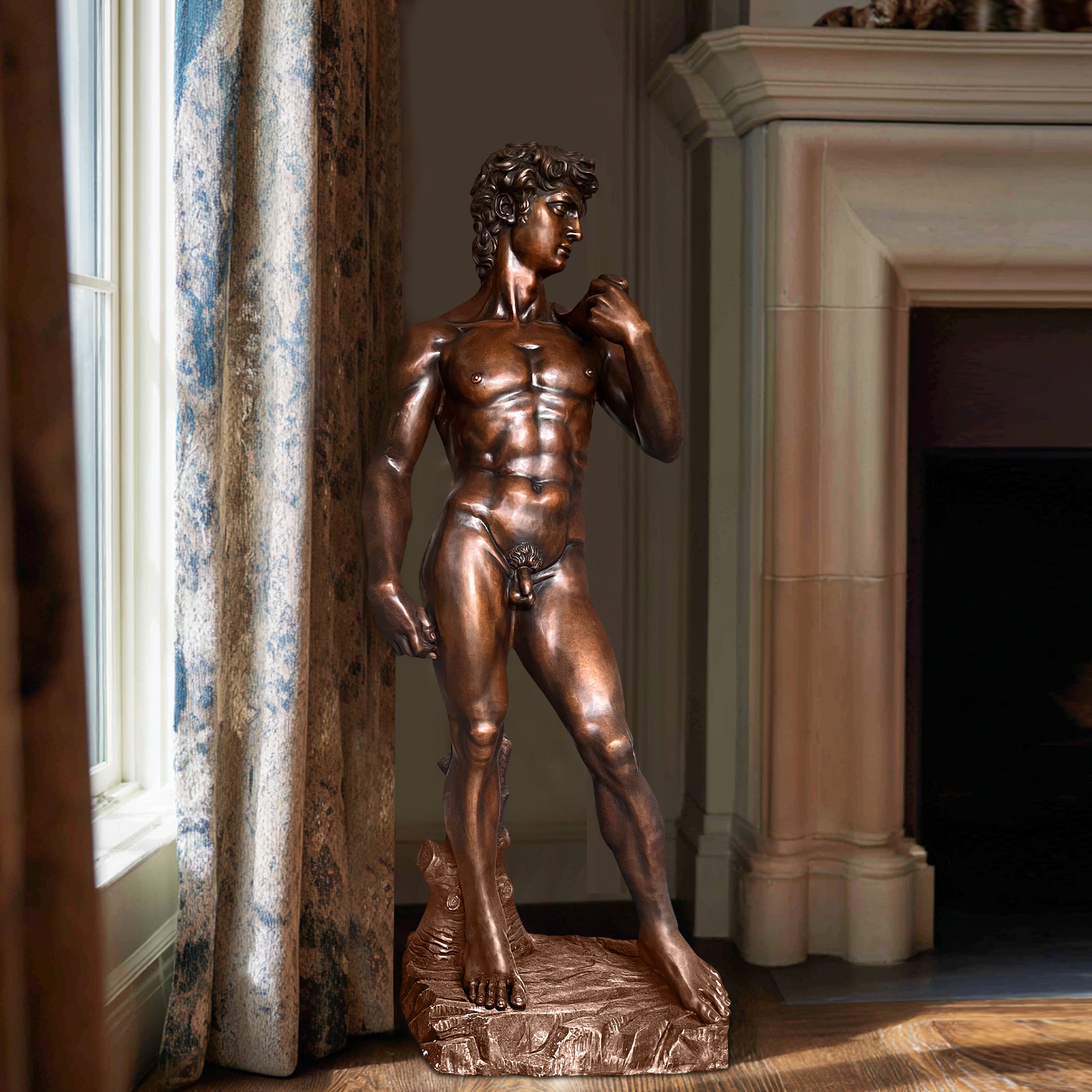
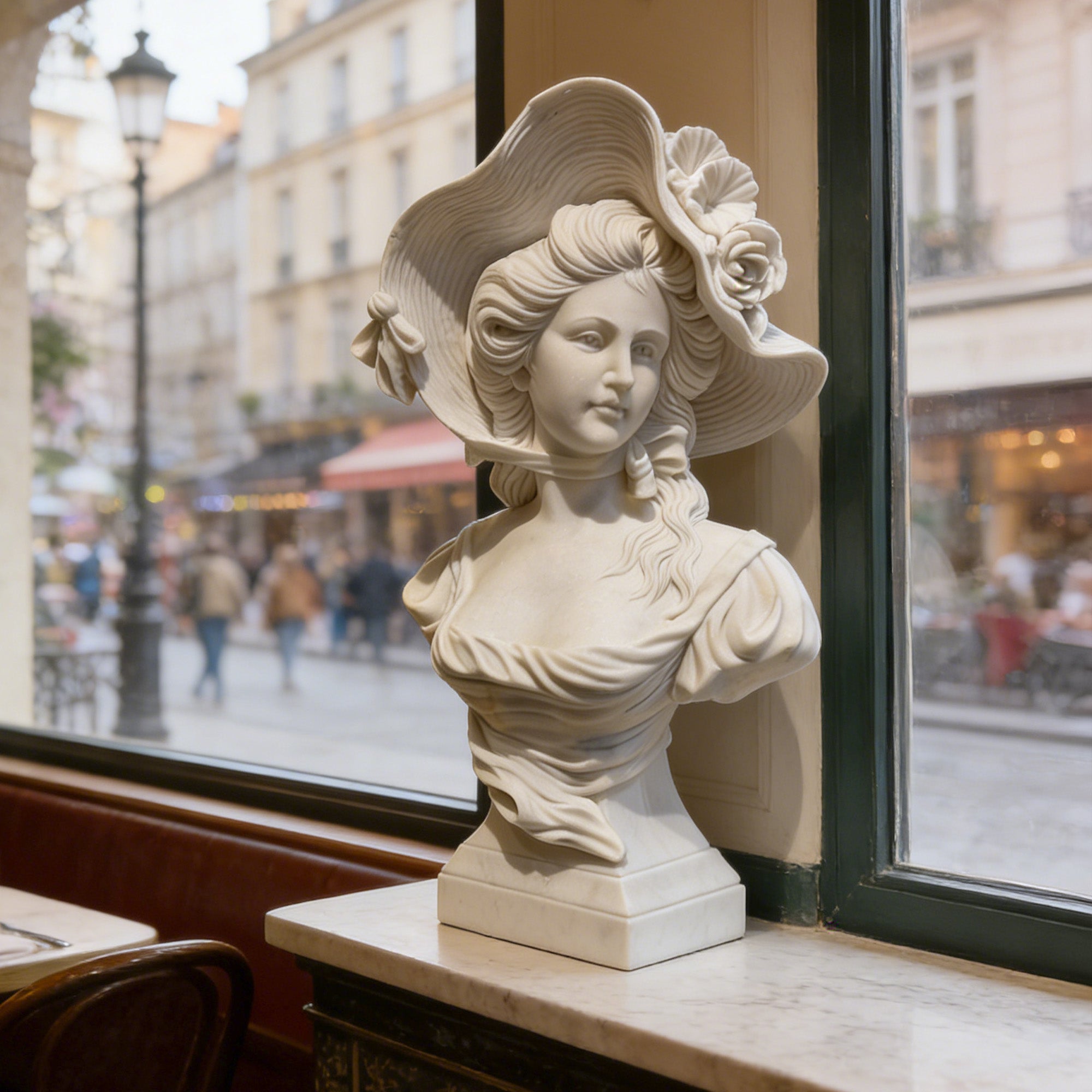
Classical figures remain one of the most recognizable directions in figurative sculpture. Inspired by ancient Greek and Roman art, these sculptures often emphasize balanced proportions, natural movement, flowing drapery, and carefully modeled anatomy.
A classical bronze statue can represent a historical figure, a warrior, a philosopher, or an idealized human form. The traditional character of bronze works especially well with these designs because the material develops a rich surface that complements the sense of age and permanence associated with classical art.
Life size bronze statues in a classical style are particularly suited to gardens, courtyards, museums, estates, cultural properties, and architectural landscapes.

2. Sports & Athletic Figures: Capturing Movement in Bronze
Sports figures bring a completely different energy to bronze sculpture. Instead of focusing only on a standing pose, athletic sculpture is often about movement—the instant before a jump, the force of a throw, the balance of a runner, or the concentration of an athlete.
Bronze athlete statues can portray football players, basketball players, runners, swimmers, golfers, wrestlers, and many other sports figures.
The challenge is to make a metal sculpture feel active and dynamic. Carefully modeled anatomy, realistic body proportions, clothing, and gestures help create the impression that the figure has been captured in motion.
For sports facilities, schools, universities, stadiums, parks, and athletic centers, a bronze athlete statue can become both a decorative landmark and a meaningful representation of dedication, strength, and achievement.

3. Mythological & Legendary Figures: Bringing Ancient Stories to Life
Mythology offers some of the most imaginative possibilities for bronze figure sculpture.
Figures such as Neptune or Poseidon, ancient warriors, legendary heroes, gods, and other mythological characters can be transformed into powerful bronze statues with dramatic poses and expressive details.
A bronze Neptune statue, for example, can combine the human figure with elements associated with the sea, creating a strong focal point for a waterfront property, garden, resort, or large landscape.
Mythological sculpture also gives artists greater freedom with movement, clothing, weapons, animals, and symbolic objects. This makes the category especially suitable for large-scale outdoor bronze sculptures designed to attract attention.

4. Angels, Fairies & Fantasy Figures: Sculptures Full of Imagination
Angels, fairies, and fantasy figures introduce a softer and more imaginative side of bronze sculpture.
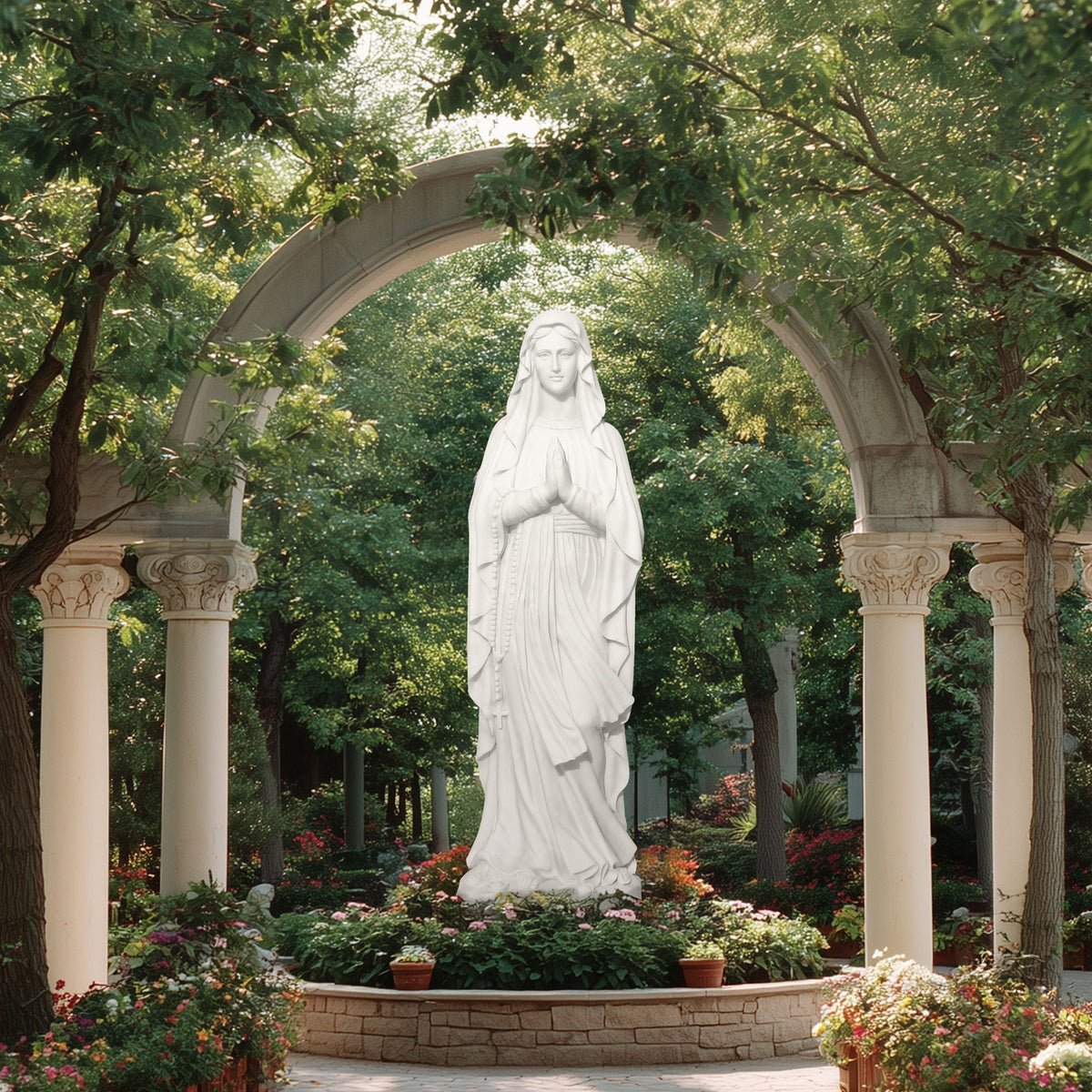
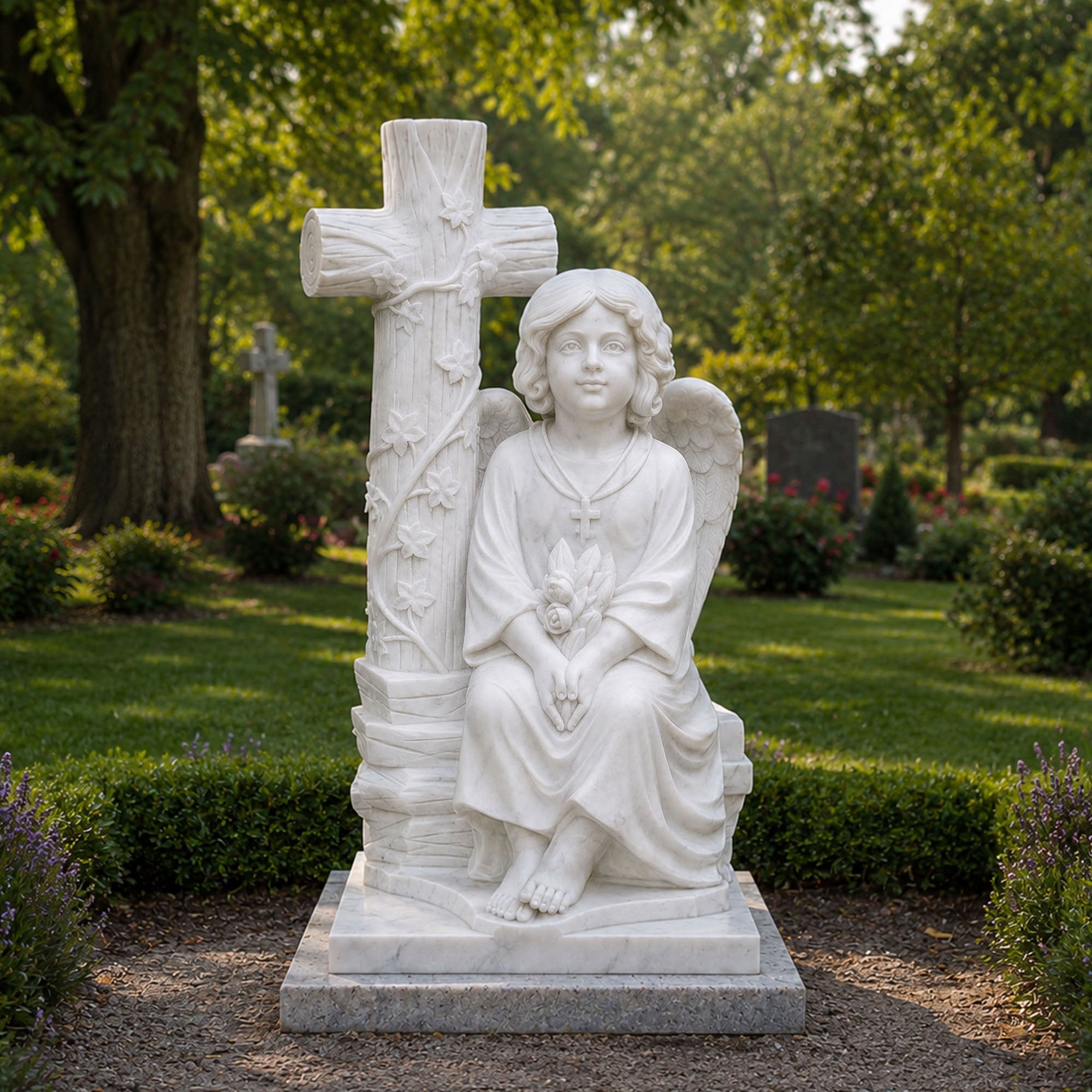
A bronze angel statue can express protection, hope, remembrance, or spirituality, making angel figures suitable for memorial gardens, religious spaces, cemeteries, and private landscapes.
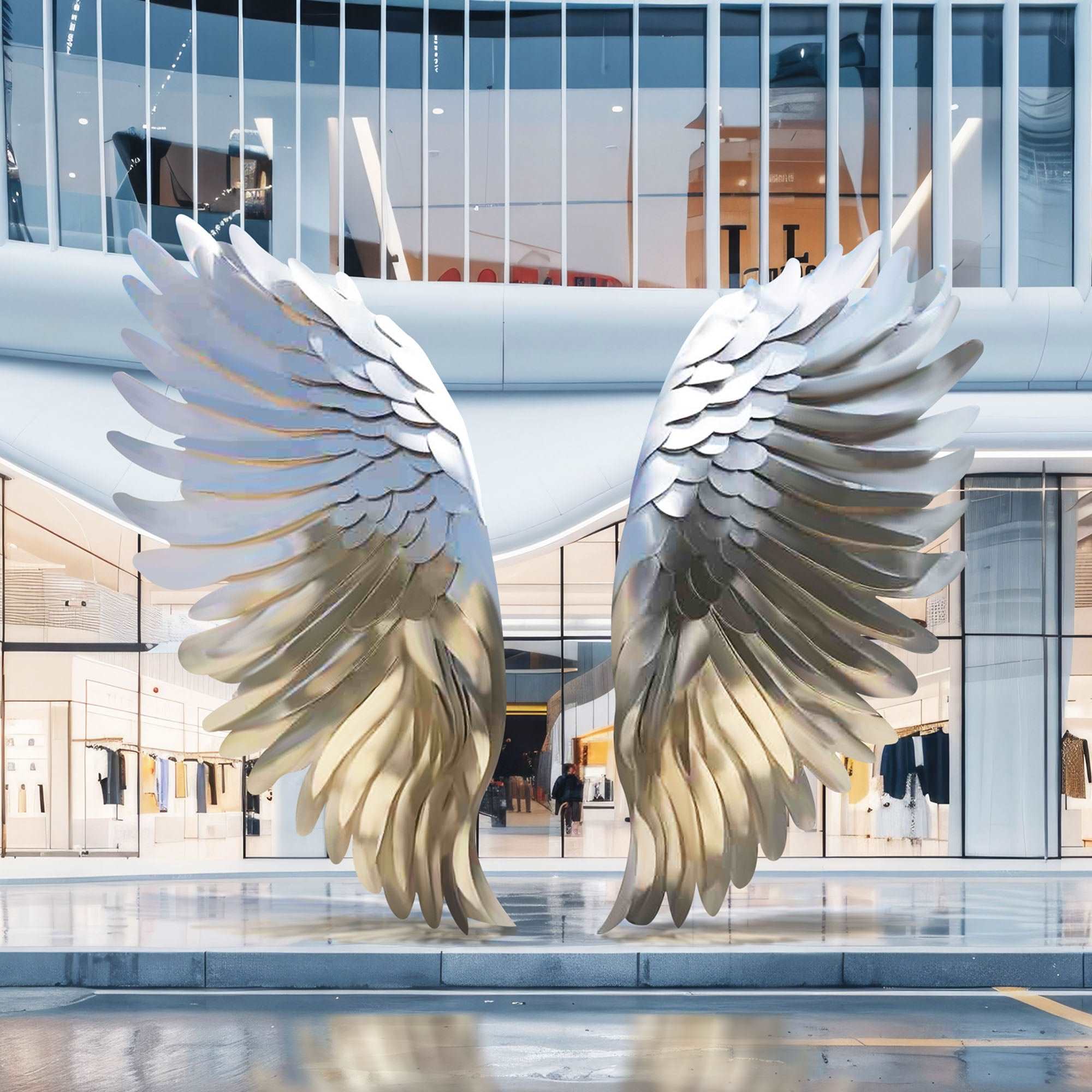
Fairies and other fantasy figures offer a different feeling. With delicate wings, flowing clothing, and graceful poses, they can bring a playful or magical quality to gardens and decorative landscapes.
Because bronze can be modeled with fine details, artists can create expressive faces, textured wings, flowing hair, and intricate clothing that give these fantasy figures their distinctive personality.

5. Musicians, Dancers & Performing Artists: Turning Movement into Art
Music and dance are naturally connected with movement, which makes them fascinating subjects for figurative sculpture.
A bronze musician might be shown playing a violin, guitar, saxophone, piano, or another instrument. A dancer or ballerina can be captured in a carefully balanced pose, with the sculpture emphasizing the rhythm and movement of the body.
Bronze dancer statues and bronze musician statues are particularly effective in cultural centers, theaters, performing arts venues, schools, music institutions, gardens, and public spaces.
These sculptures can capture the feeling of performance—the concentration of a musician, the elegance of a ballerina, or the energy of a dancer.

6. Everyday & Professional Figures: Celebrating Real People
Not every bronze figure needs to come from history or mythology. Everyday people and professional figures can also become meaningful subjects for sculpture.
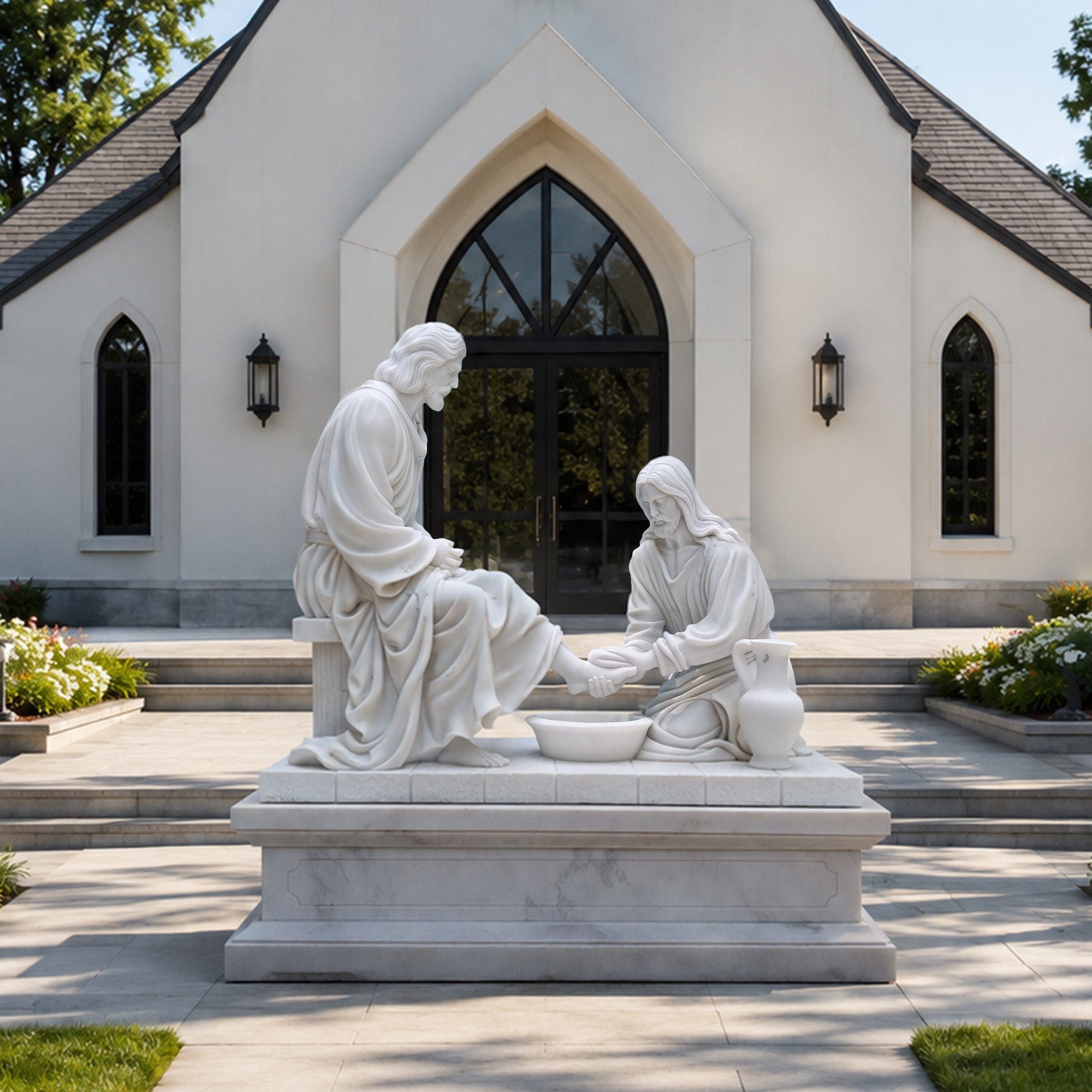
Doctors, teachers, firefighters, farmers, workers, craftsmen, and other professionals can be represented through realistic bronze statues. These works are often commissioned to recognize a profession, commemorate an individual, celebrate a community, or create a meaningful public landmark.
Because the subject is familiar, realistic details become especially important. Clothing, tools, posture, facial expression, and small gestures can help communicate the person's role and personality.
These bronze human sculptures are often found in schools, hospitals, civic spaces, memorials, parks, universities, and community projects.

Choosing the Right Bronze Figure Sculpture for Your Space
The best figure sculpture is not always the largest or most detailed one. It should have a relationship with its surroundings and communicate the feeling you want people to experience.
A classical figure can complement traditional architecture. An athletic sculpture can bring energy to a sports facility. A mythological figure can create a dramatic focal point, while an angel or fairy can introduce a more emotional or imaginative atmosphere.
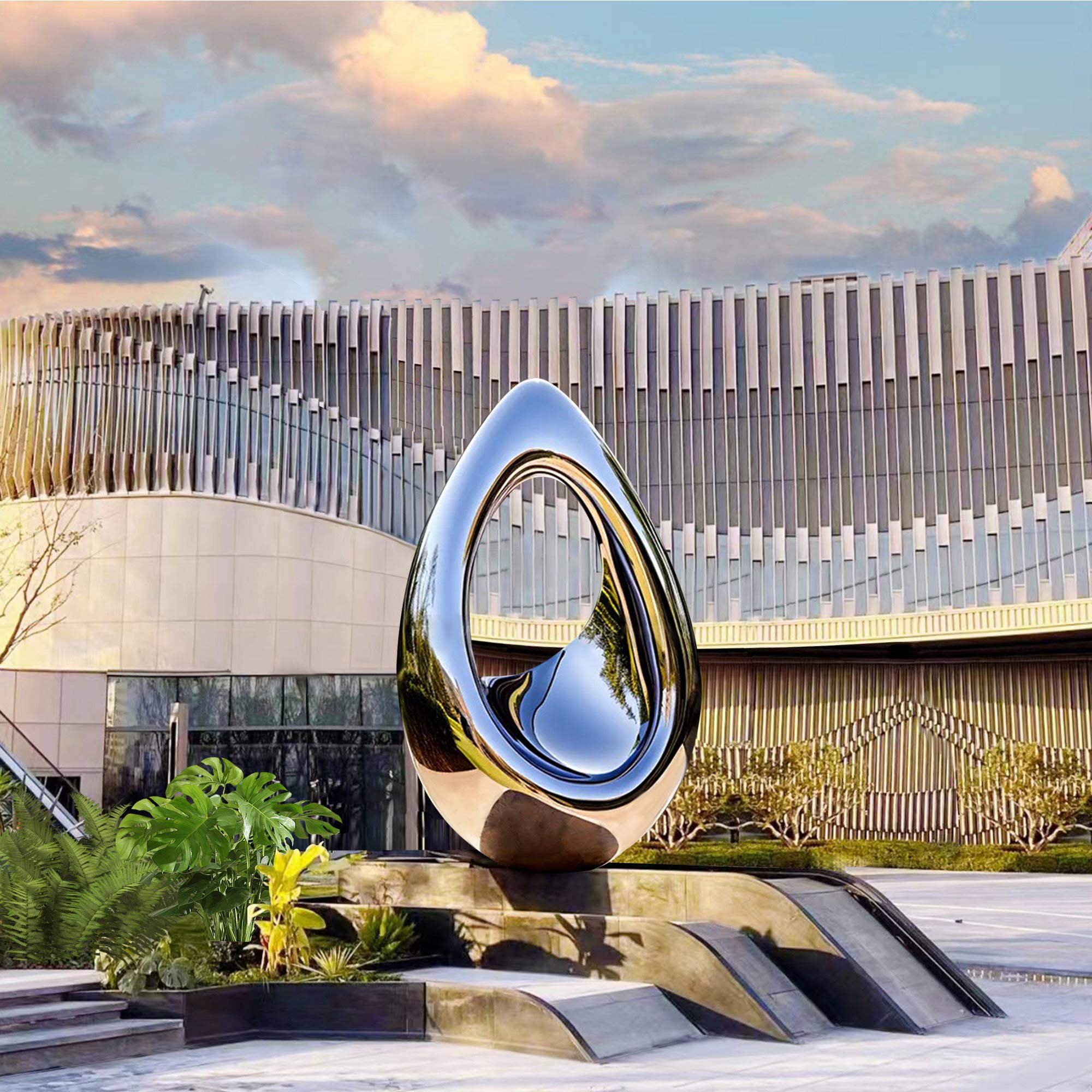
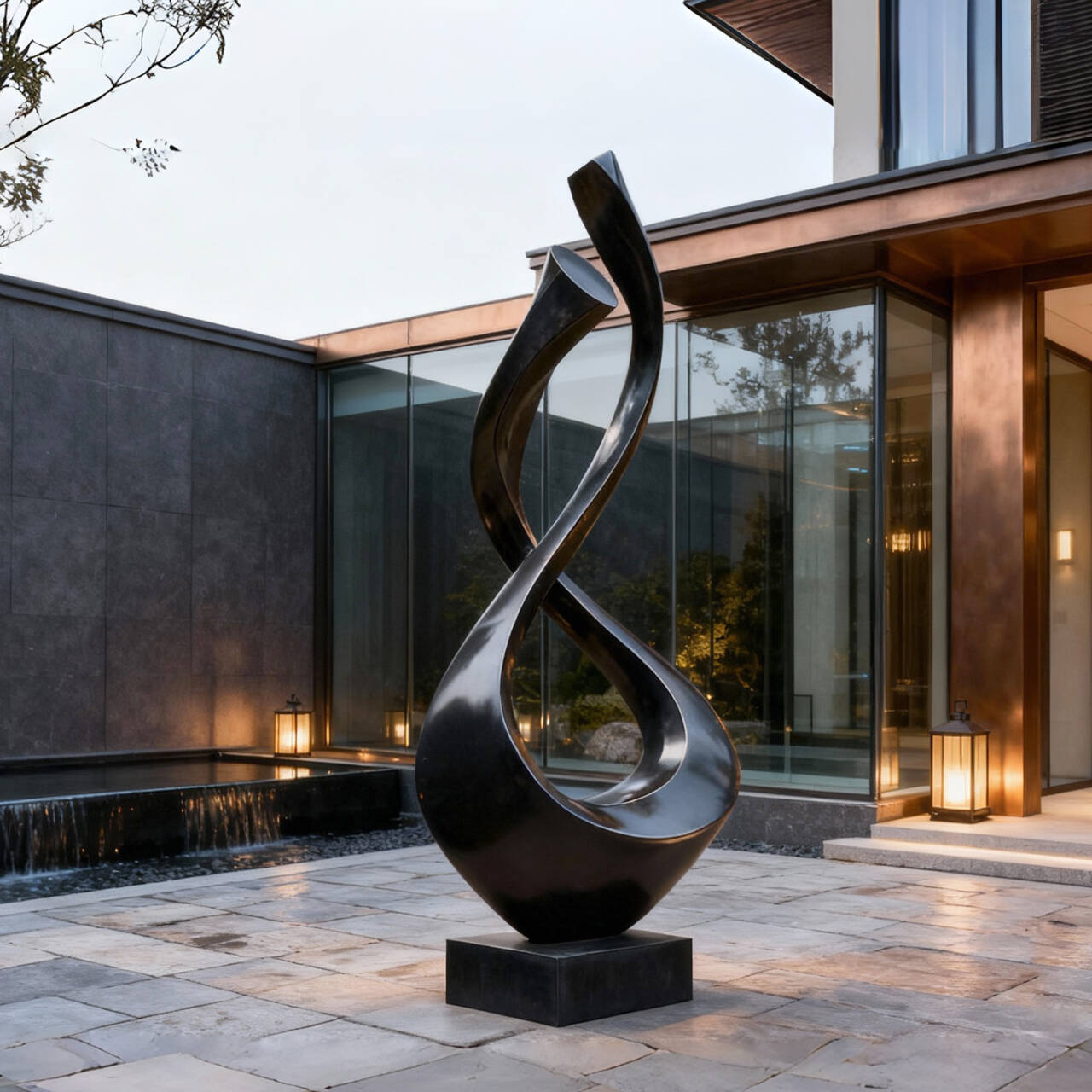
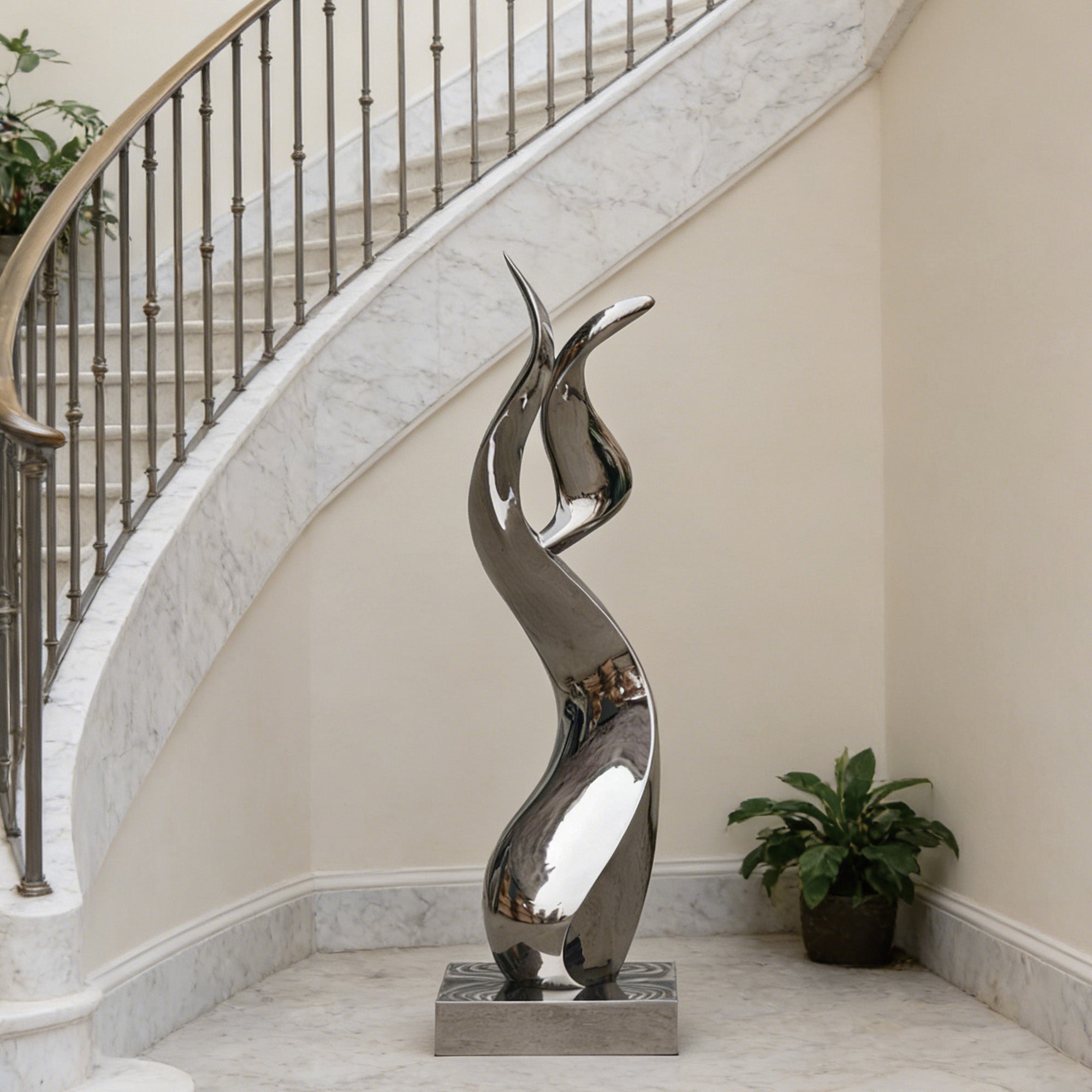
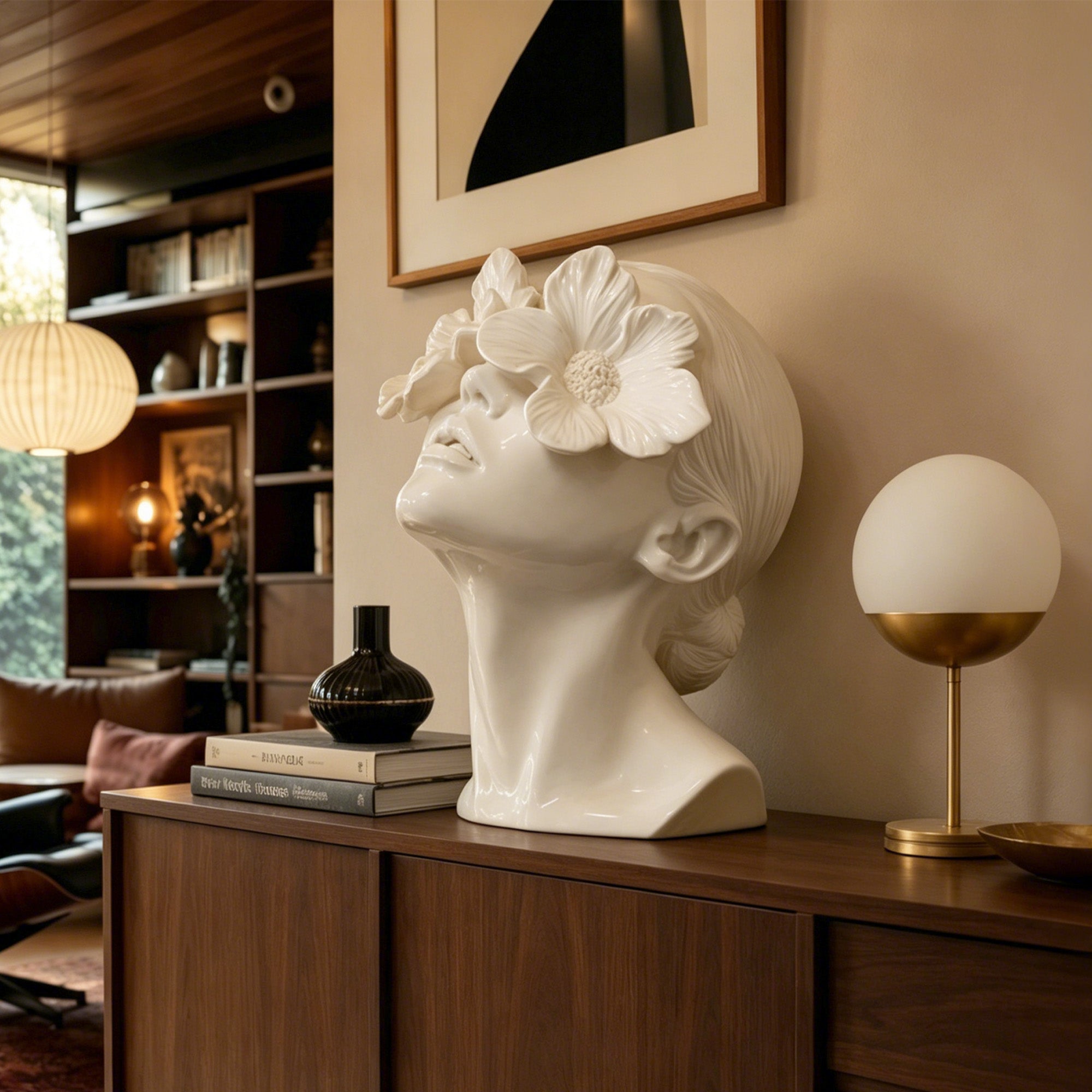
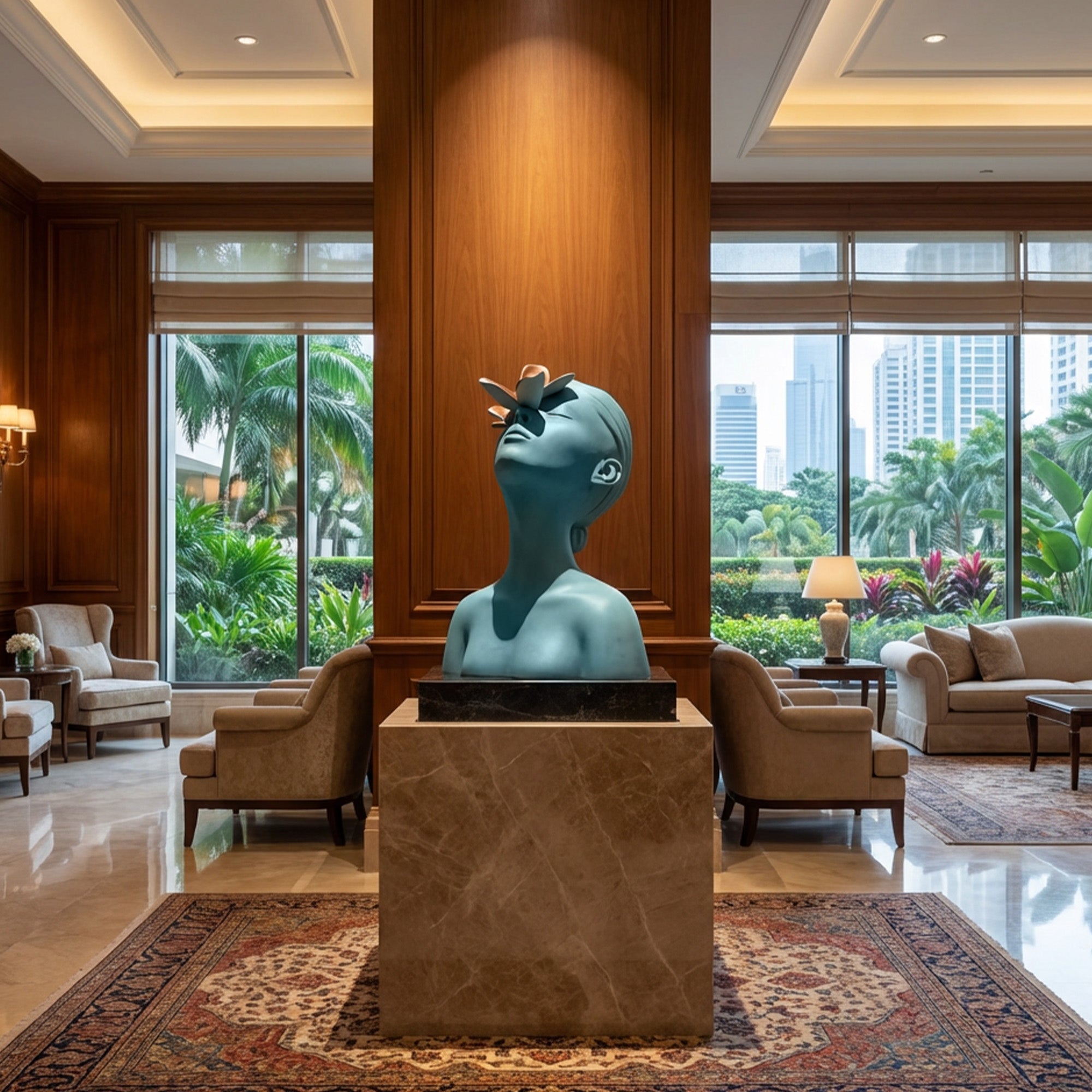
For contemporary architecture, a modern or futuristic figure may create a stronger visual connection with the space.
Scale is another important consideration. A life size bronze statue can create an immediate sense of realism and human connection, while a larger-than-life sculpture can function as a landmark and command attention from a greater distance.

Find a Bronze Figure Sculpture with Character
Bronze figure sculpture offers far more possibilities than a single artistic style. Classical figures, athletes, mythological characters, angels, fairies, dancers, musicians, and everyday professionals can all become distinctive works of bronze art.
The right sculpture can do more than fill an empty space. It can introduce movement, tell a story, honor a person, represent an idea, or give an entire landscape a memorable focal point.
Whether you are looking for a bronze sculpture for sale, a life-size figurative work, or a custom bronze sculpture created around a specific concept, choosing the right subject is the first step toward creating a piece that feels meaningful in its setting.
Explore the possibilities of bronze figure sculpture with Finest Sculpture and discover a style that fits your space, story, and vision.