



You have decided to invest in a sculpture for your home. The material is chosen. The budget is set. The space is ready. Then comes the question that stops many buyers in their tracks: figurative or abstract? It is one of the most fundamental decisions you will make. And it is not just about aesthetics—it is about what you want the piece to say, how you want it to feel, and what kind of relationship you want to have with it.
A figurative sculpture walks in and announces itself. You know what it is the moment you see it. An abstract sculpture does the opposite. It withholds, suggests, and quietly takes over the room. Neither is better. But one is almost certainly better for you.
This guide breaks down the difference between figurative and abstract sculpture, explores what each style does best, and helps you decide which one tells your story more powerfully. Whether you are drawn to the classical elegance of a bronze figurative statue, the timeless beauty of a marble bust, or the bold statement of a contemporary abstract sculpture in stainless steel, understanding these two styles will guide you to the right choice.

What Is Figurative Sculpture?
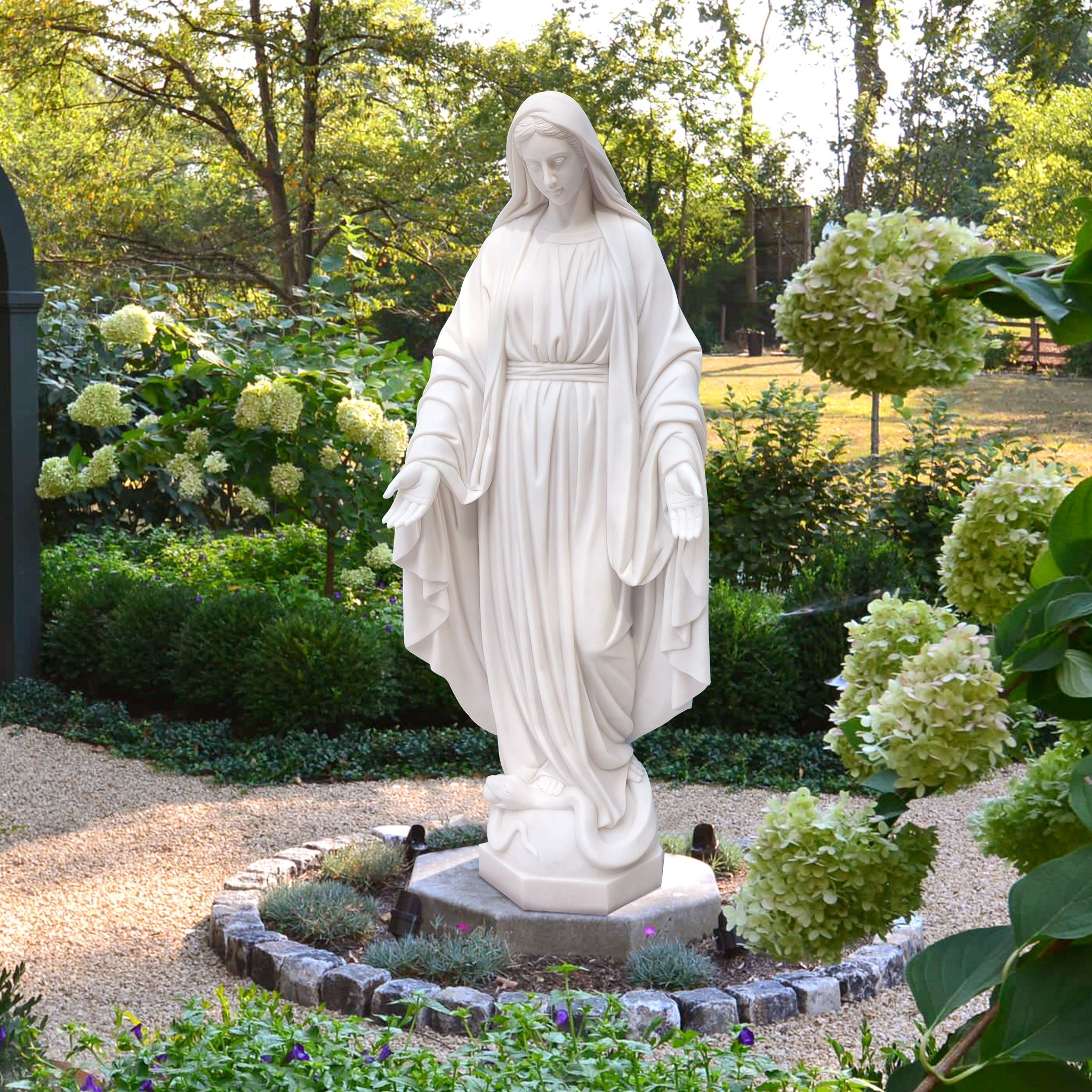
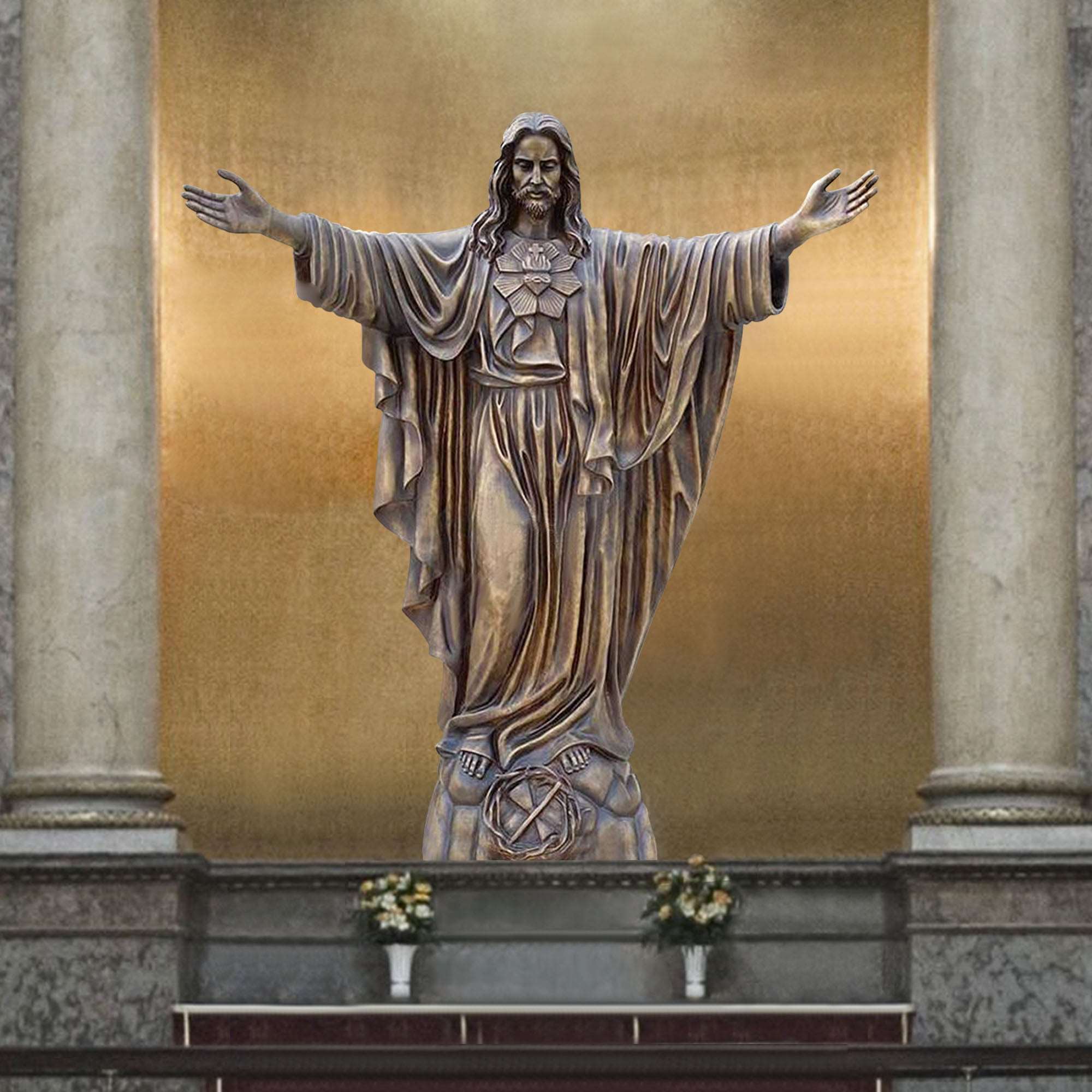
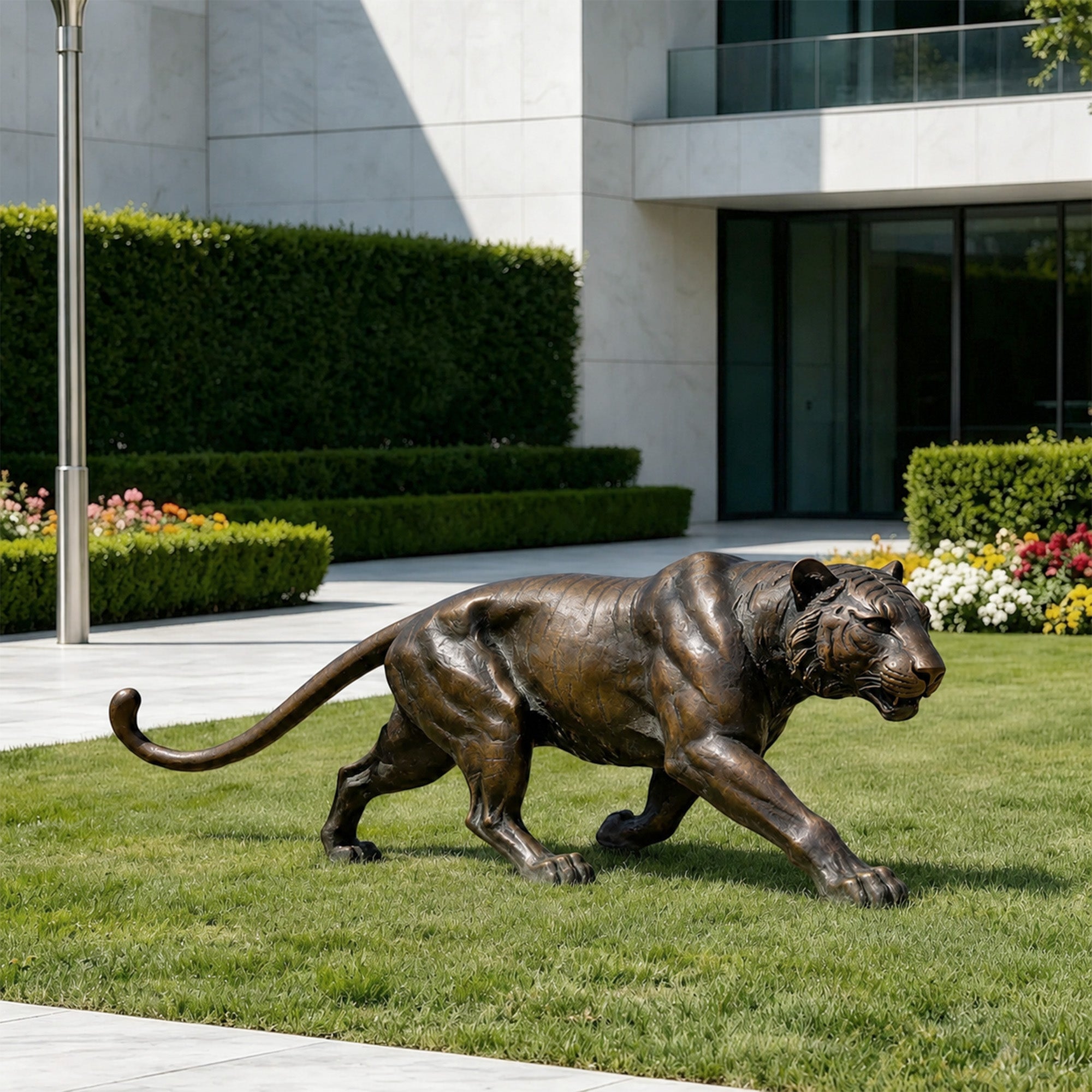
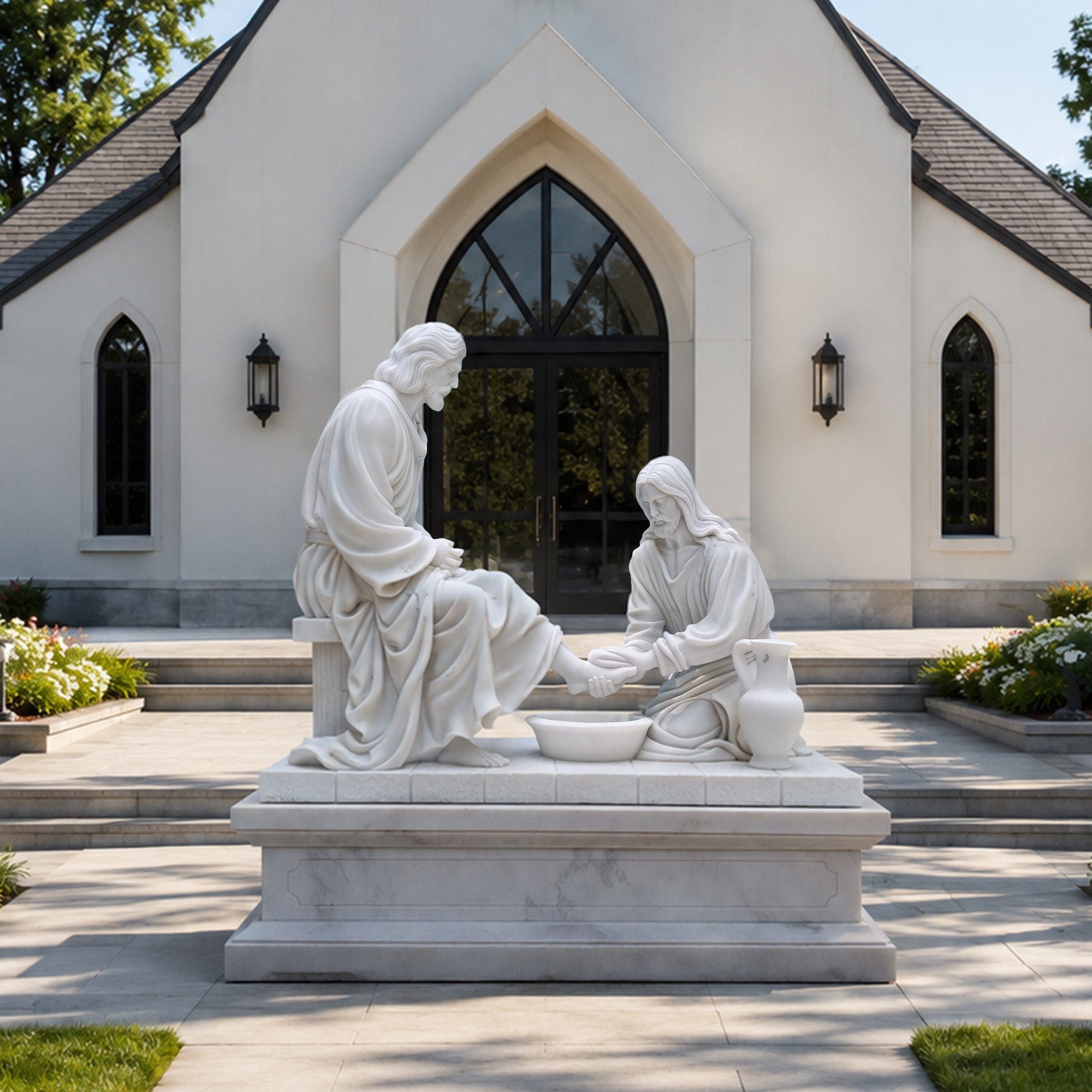
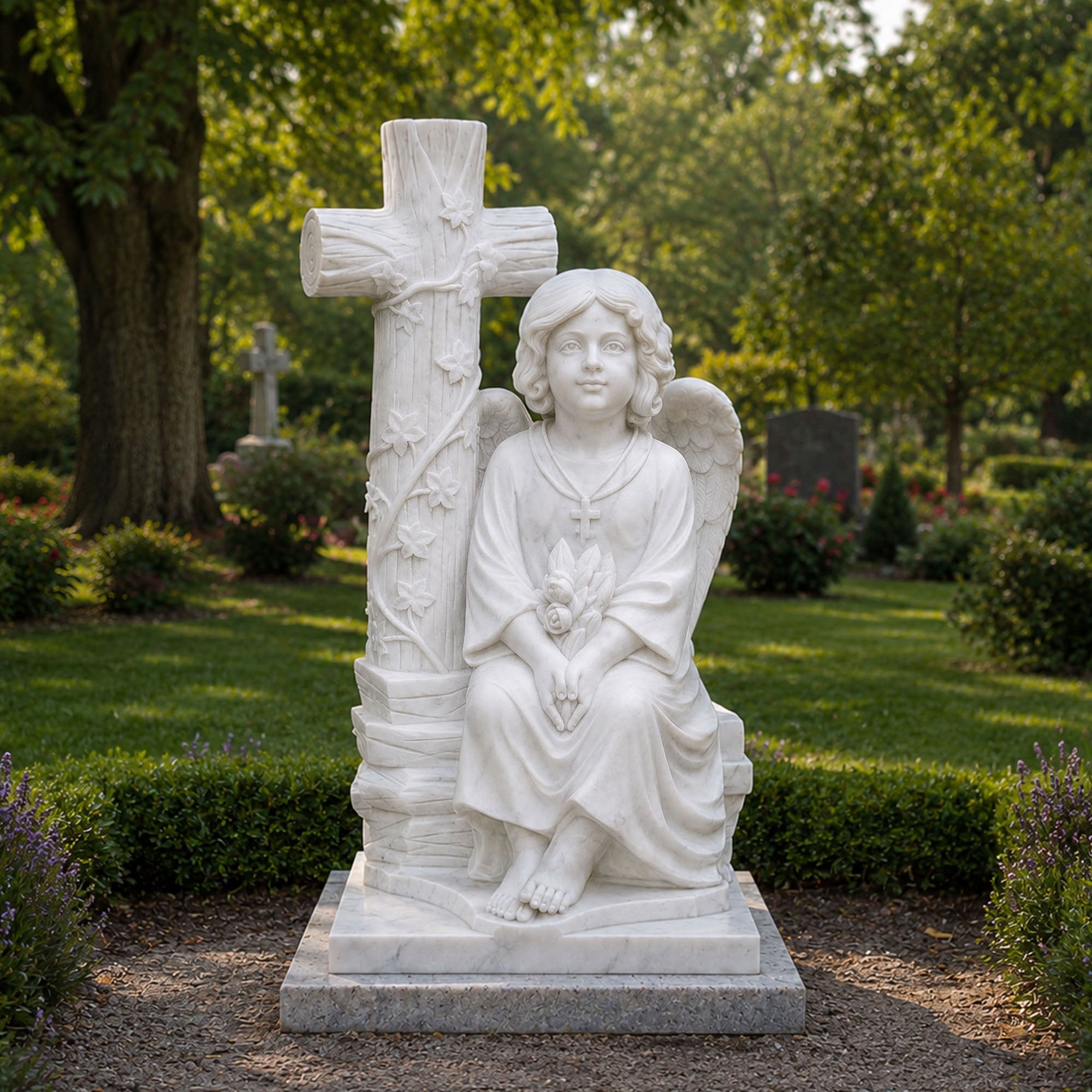
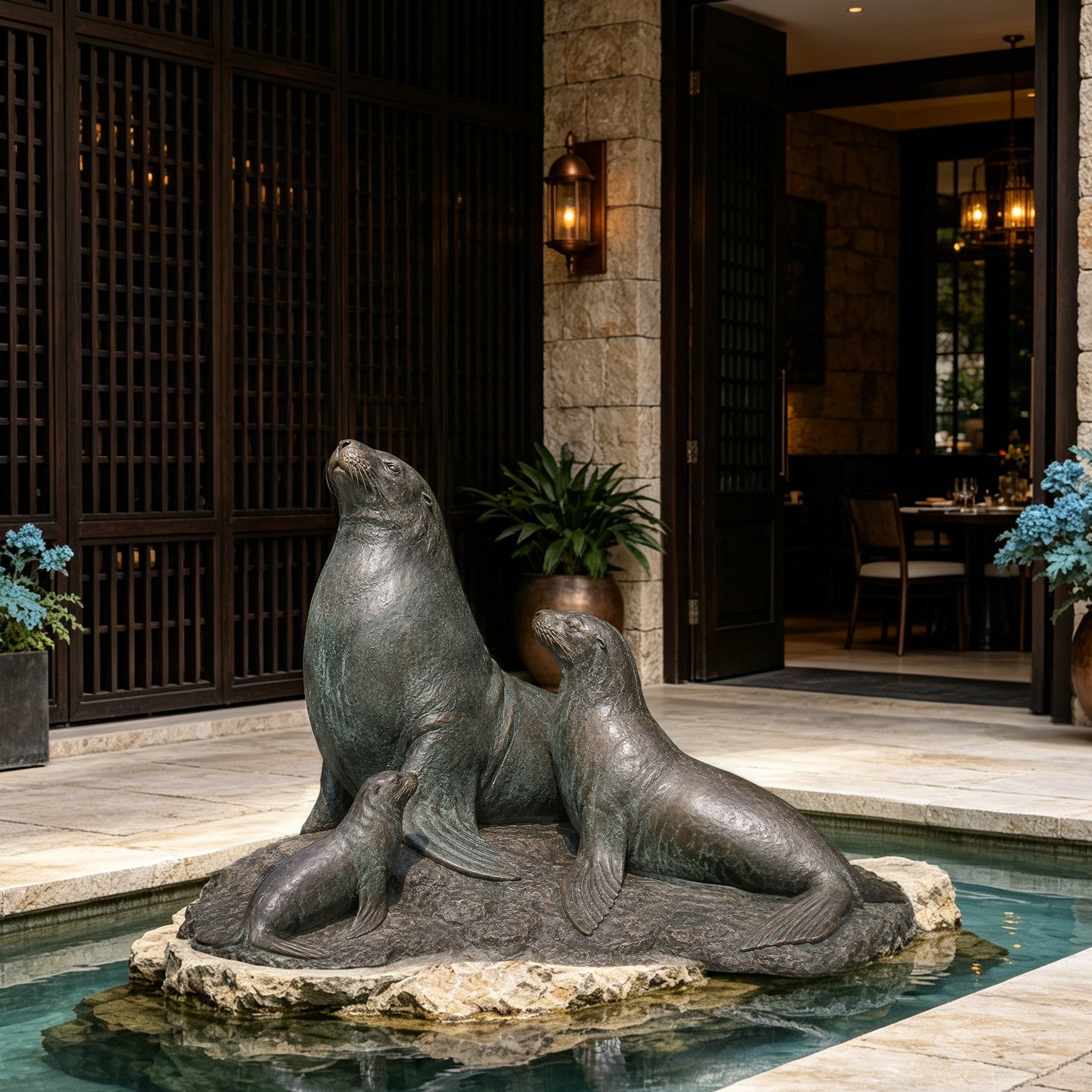
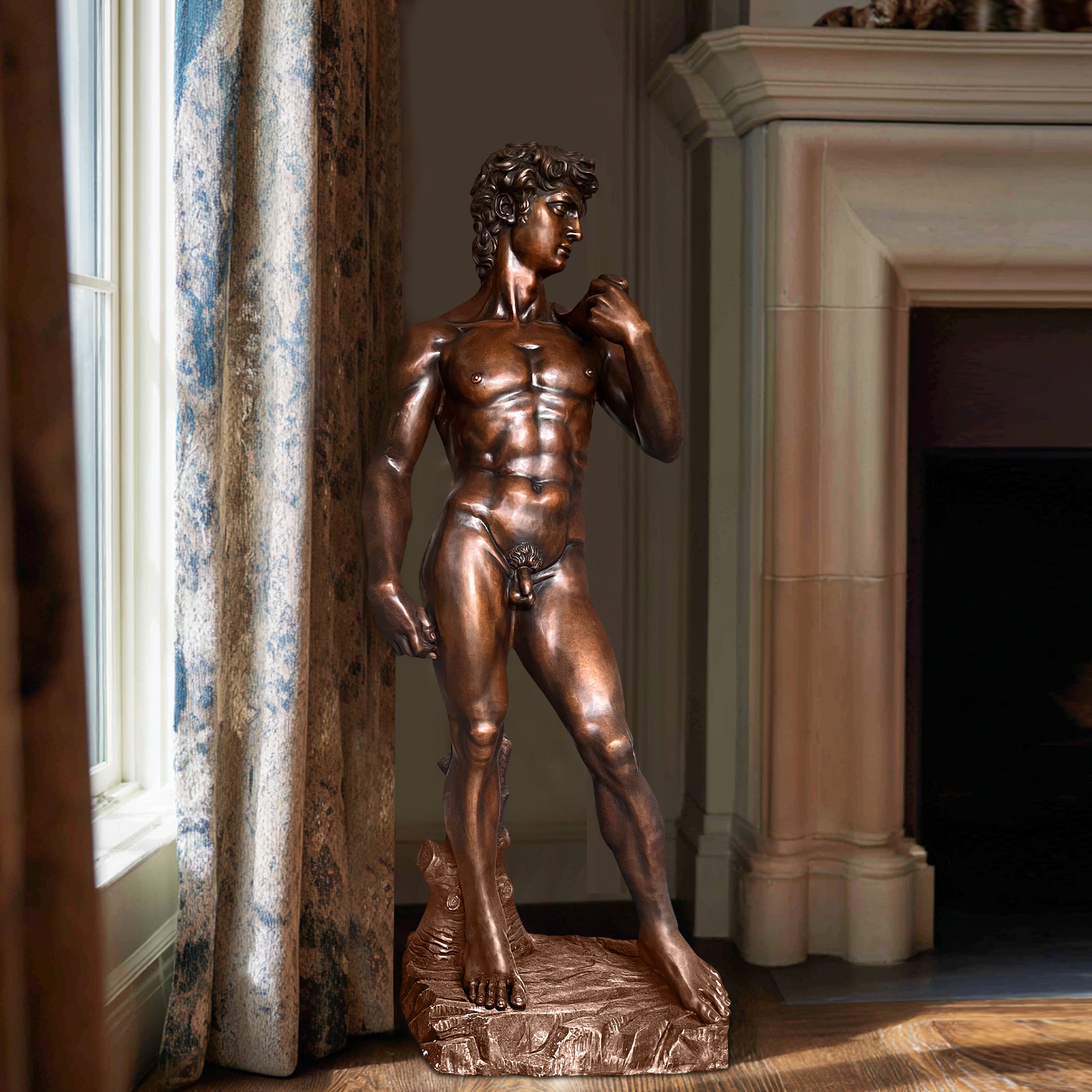
Figurative sculpture depicts recognizable subjects—human figures, animals, or mythological beings. It captures real-world entities, conveying clear narratives or emotions. When you look at a figurative piece, you know exactly what you are seeing.
The Experience of Figurative Sculpture
Figurative sculpture gives the eye a job: identify the subject, then admire the craft. It offers an intuitive path to understanding through explicit narrative threads and visual representations, rendering it more accessible.
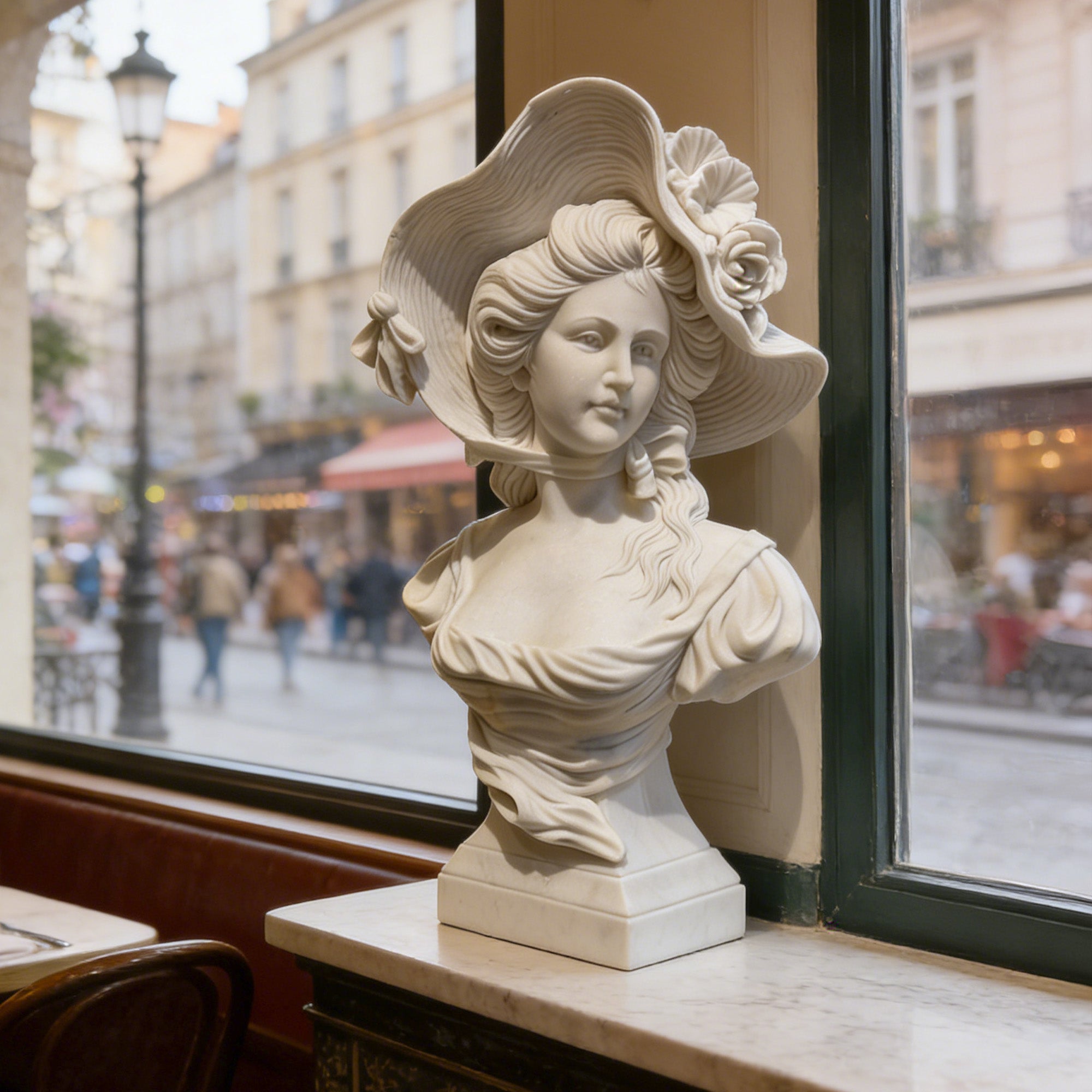
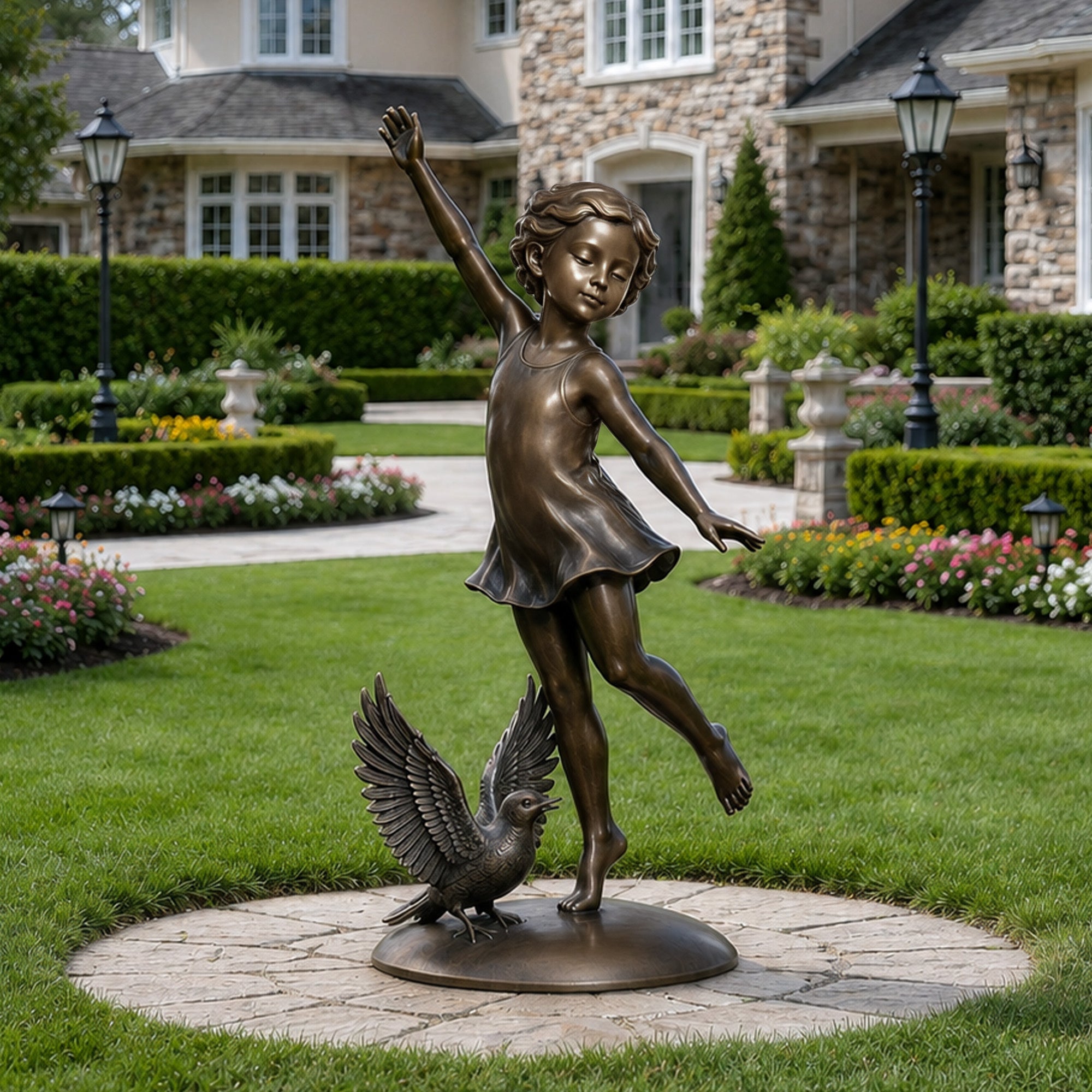
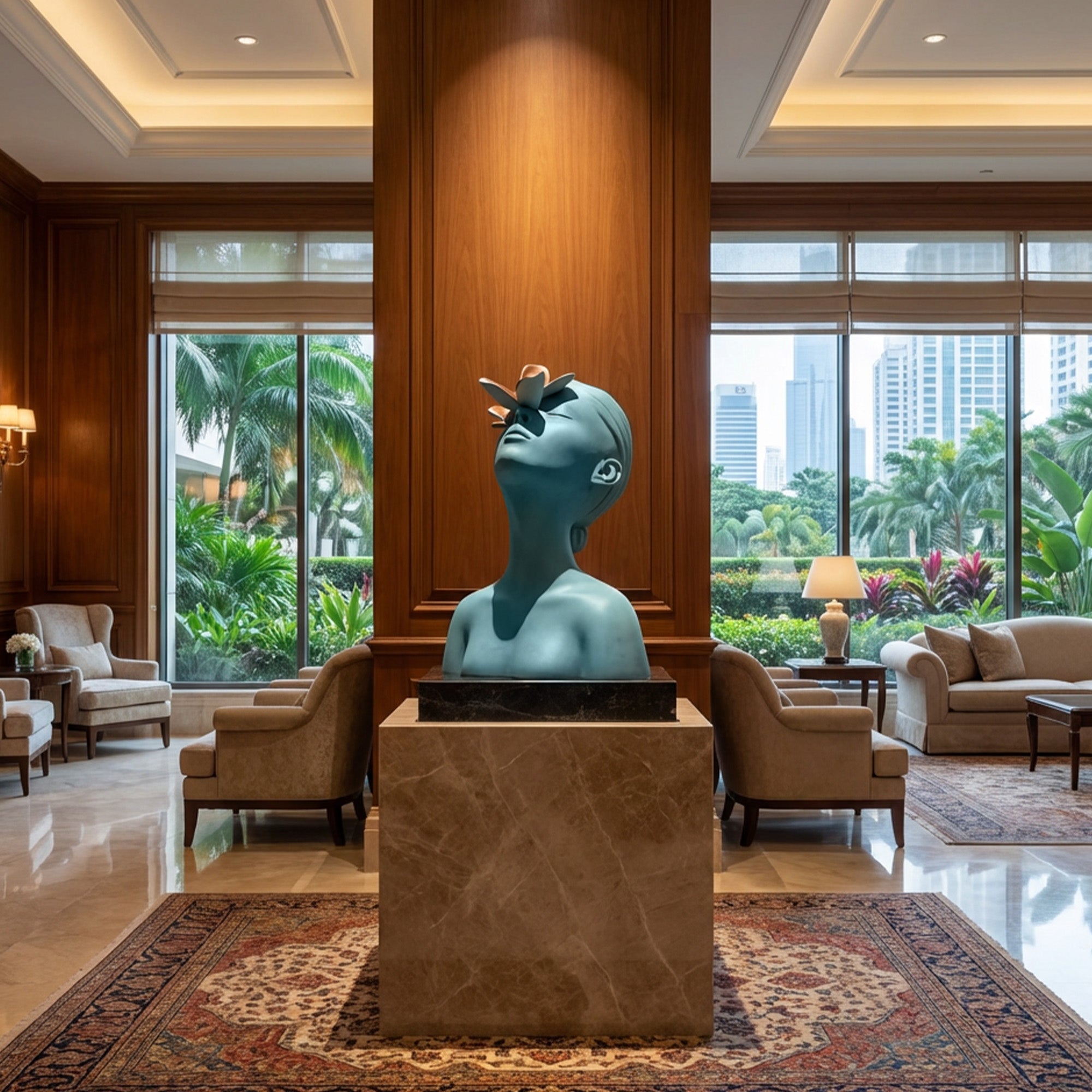
This immediacy is its greatest strength. A classical bust of a historical figure, a bronze sculpture of a dancer captured mid-motion, or a tender mother-and-child grouping—these pieces communicate instantly. They do not require interpretation. They simply are. This is why figurative art remains a favorite for collectors who appreciate artistic craftsmanship and classical sculpture traditions.
The Emotional Connection
Figurative works offer immediate narrative and emotional access. Because they depict something we recognize—a face, a body, an animal—they create a direct emotional bridge. We respond to them the way we respond to people.
A bronze figure with an outstretched hand can evoke compassion. A marble bust can convey dignity and gravitas. An animal sculpture can bring warmth and playfulness. The emotion is built into the subject itself, making these pieces ideal for interior design that values warmth and humanity.
Timelessness and Tradition
Figurative sculptures carry the weight of history. They connect us to the great traditions of classical sculpture—from ancient Greece to the Renaissance to the great public monuments of the 19th and 20th centuries.
This makes them particularly well-suited to traditional or transitional interiors, where they bring elegance and a sense of permanence. They do not just decorate—they anchor. They say: this space values history, craftsmanship, and the human story. Whether displayed as a large garden statue or a marble bust for home, they bring timeless elegance to any interior setting.

What Is Abstract Sculpture?
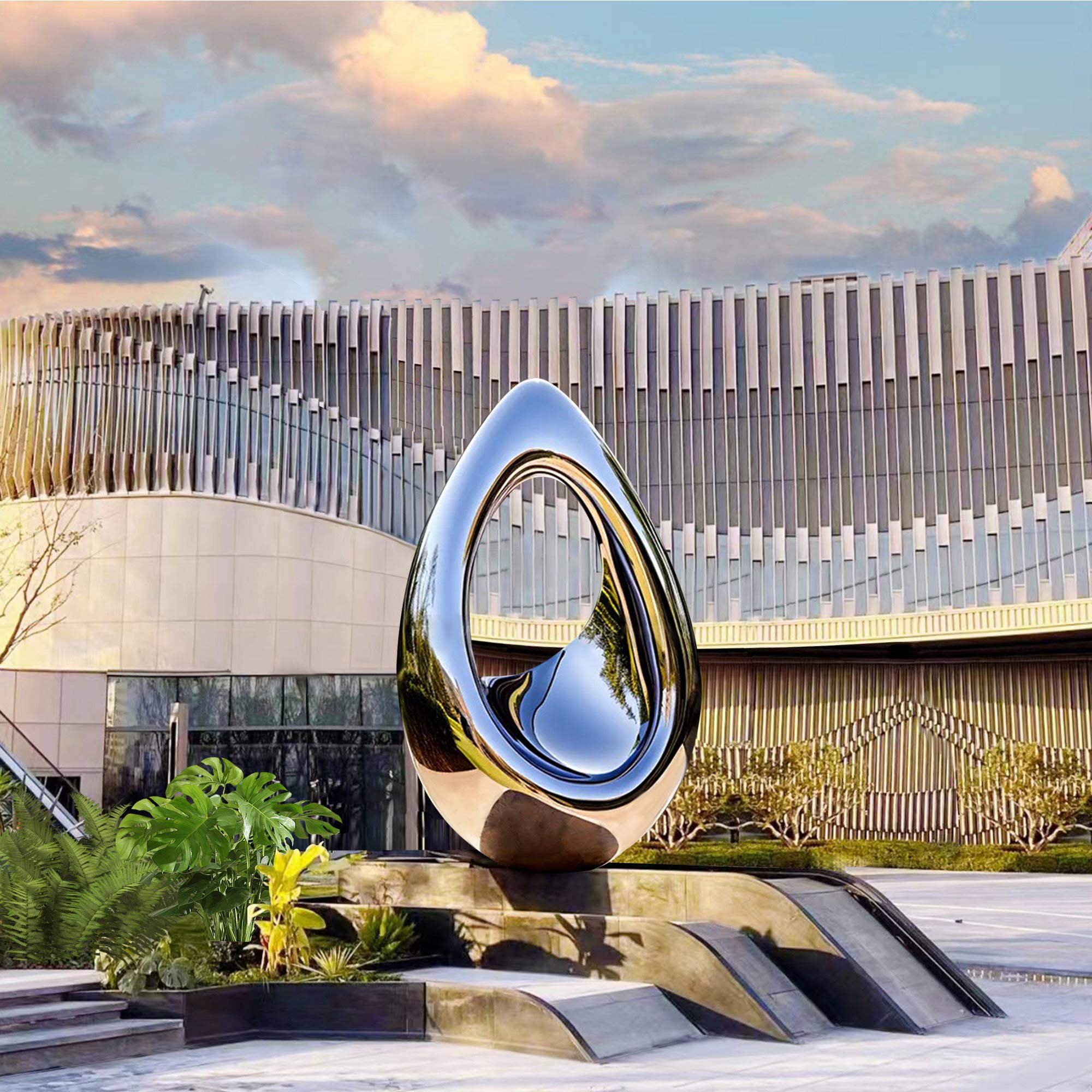
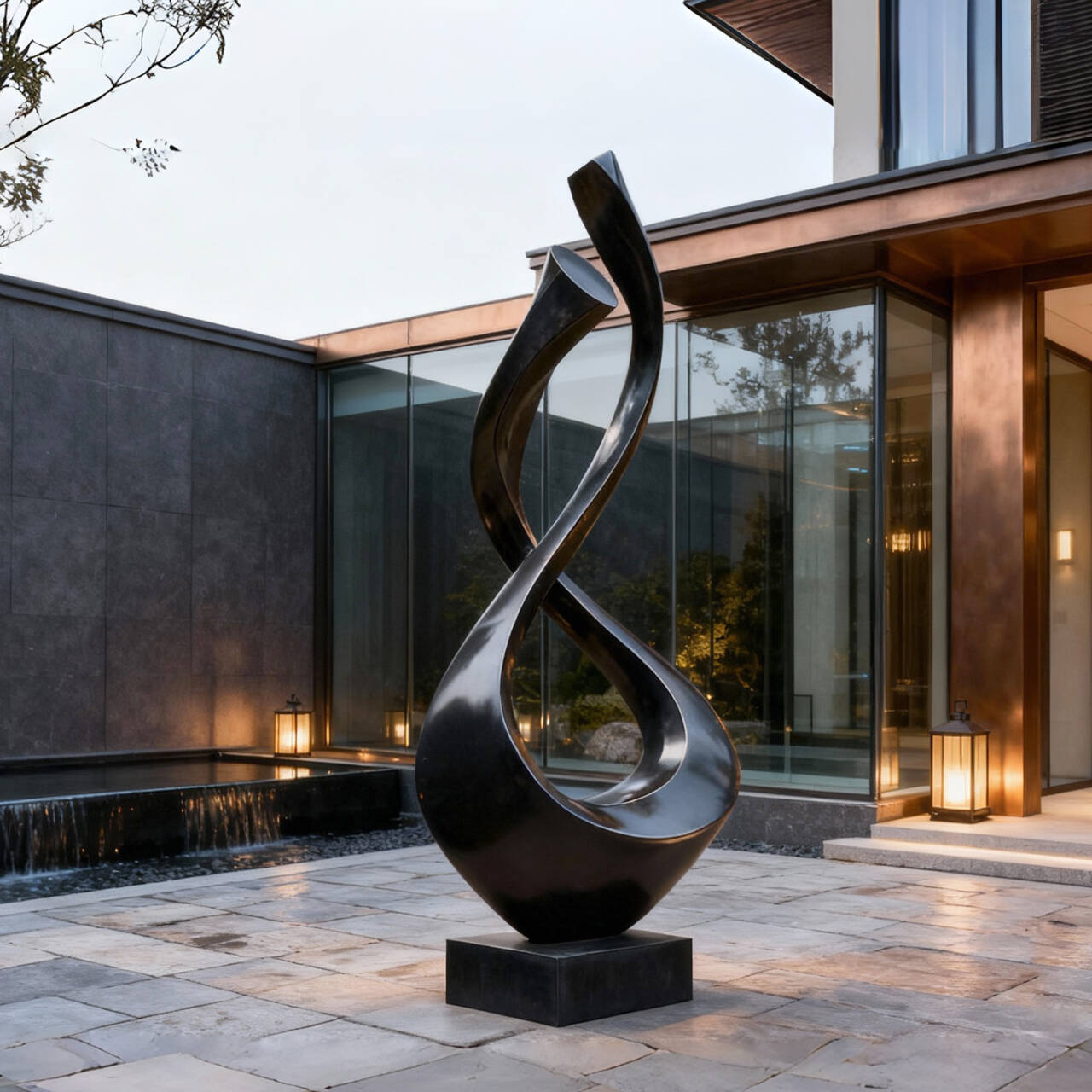
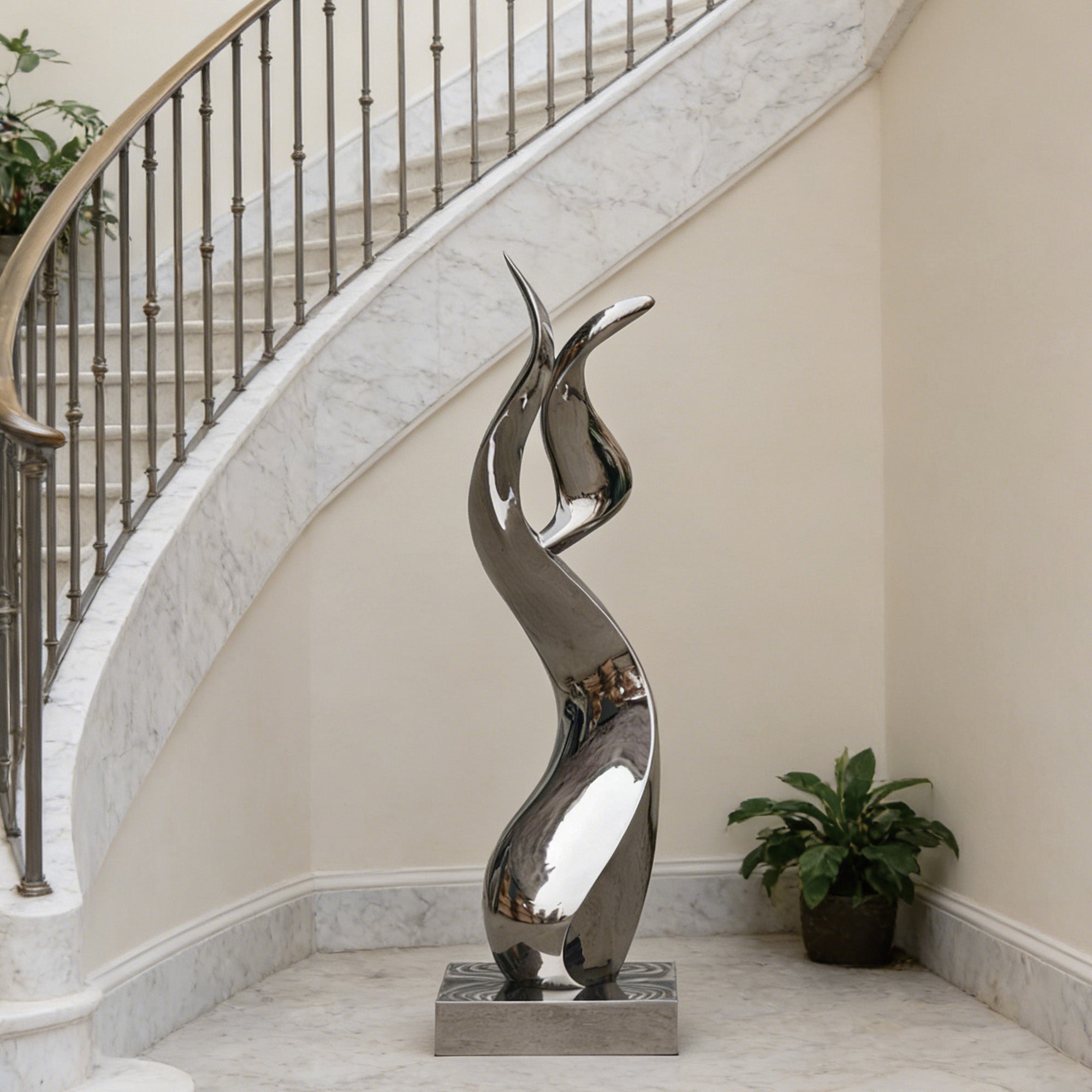
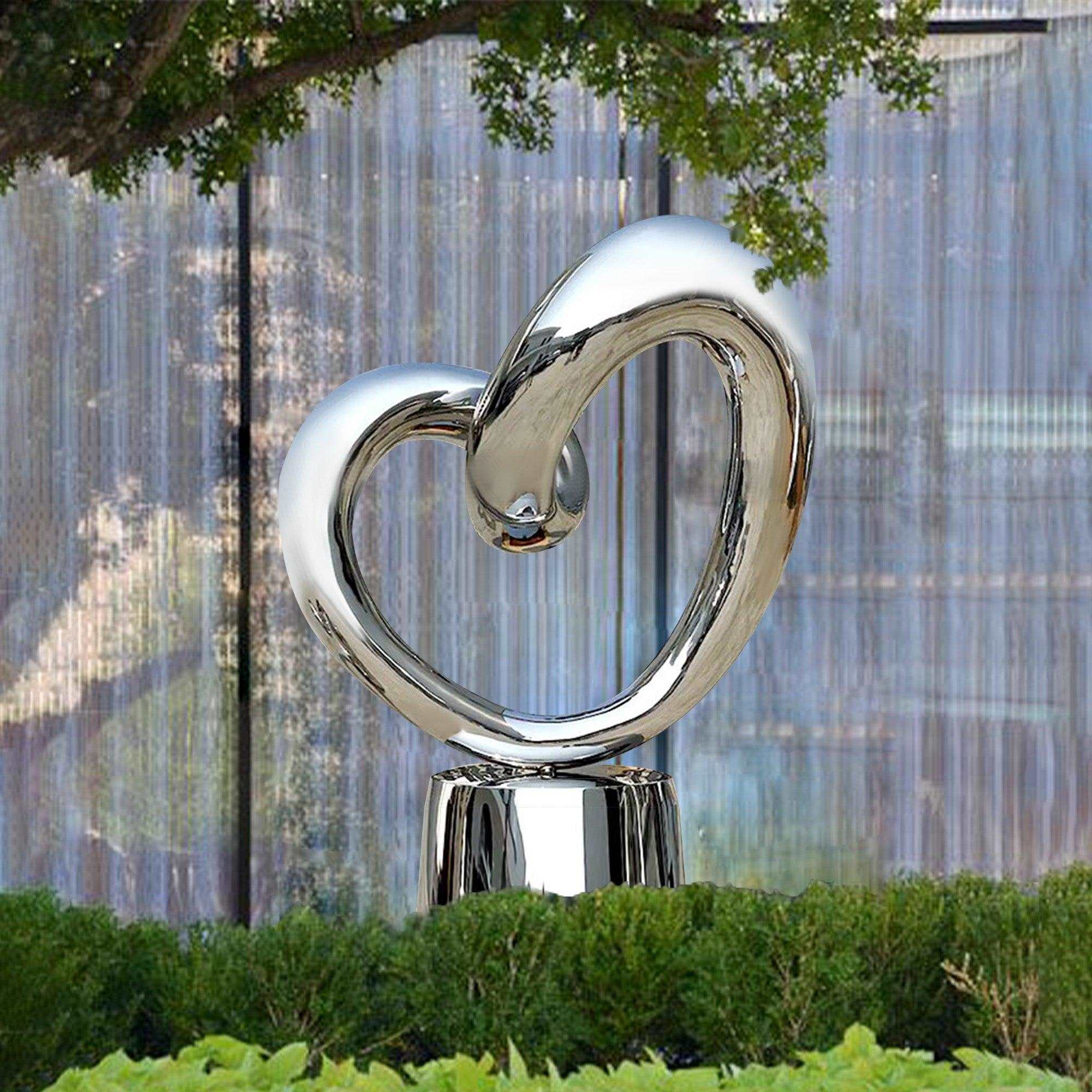
Abstract sculpture prioritizes form, color, and texture over recognizable subjects, inviting interpretation and introspection. It does not try to represent reality. Instead, it explores shape, mass, void, and surface.
The Experience of Abstract Sculpture
Abstract sculpture refuses the contract of easy recognition. The viewer has to participate, filling in meaning from curve, mass, void, and surface. It asks questions rather than providing answers. This is the essence of modern sculpture and contemporary sculpture at its most engaging.
This is not a weakness—it is the whole point. As one collector put it, "A figurative bronze tells you what it is in the first half-second; an abstract piece asks you to keep negotiating with it."
A Living Piece
Abstract sculptures behave differently throughout the day. They look one way in morning light and another under evening lamps. They change as you move around them. They reveal new angles, new shadows, new relationships between form and space.
This makes abstract sculpture a mood generator, not a likeness. You are not buying a depiction of something—you are buying an experience that evolves with time and light. A stainless steel abstract sculpture, for example, reflects its surroundings and becomes a living artwork that never stays the same.
Conversation and Curiosity
Abstract sculptures are natural conversation starters. They invite questions. What does it mean? What do you see in it? Why did you choose it?
These are not awkward questions—they are opportunities. An abstract piece opens a door to dialogue in ways that a figurative piece, with its clear subject, rarely does. It says: this space is for thinking, for wondering, for seeing things differently. As an artistic statement, it adds depth and intrigue to any interior setting or outdoor environment.

Which Style Fits Your Space?
The choice between figurative and abstract is not just about personal taste—it is about what your space needs.
Figurative Sculpture Works Best In:
-
Traditional or Classical Interiors: A marble bust or bronze figurative work feels at home in a space with classical architectural details, rich fabrics, and traditional furnishings. It completes the story rather than competing with it.
-
Formal Entryways and Libraries: Classical figurative statues add a sense of history and gravitas to formal foyers. They signal permanence, taste, and cultural appreciation. A classical bust for entryway can set the tone for an entire home.
-
Spaces That Need Warmth and Humanity: A figurative piece brings the human element into a room. It makes a space feel lived-in, personal, and connected.
-
Spaces with a Clear Design Narrative: If your home has a defined style—traditional, transitional, or classical—a figurative sculpture reinforces that narrative rather than disrupting it.
Abstract Sculpture Works Best In:
-
Modern and Contemporary Interiors: Abstract sculptures are ideal for modern lofts, minimalist spaces, and creative interiors, where they can act as conversation starters. A contemporary abstract sculpture can define the character of an entire room.
-
Spaces That Need a Bold Statement: Abstract pieces command attention through form alone. A sweeping stainless steel sculpture or a geometric bronze sculpture can define an entire room as a striking decorative focal point.
-
Spaces That Lack Architectural Character: In a room with plain walls and simple lines, an abstract sculpture can add the visual interest that architecture does not provide.
-
Spaces Where You Want Mystery and Intrigue: If you prefer art that asks questions rather than providing answers, abstract is the way to go. It keeps people guessing—and keeps them looking. This is why many homeowners and interior designers choose abstract art for spaces that need a modern edge.

The Material Connection
Your choice of material also influences how a sculpture reads—and which style suits it best.
Bronze for Figurative Work
Bronze is the traditional choice for figurative sculpture. Its warmth, durability, and ability to capture fine detail make it ideal for representing the human form. Bronze figurative pieces feel substantial, timeless, and deeply connected to the history of sculpture. A bronze animal sculpture or bronze garden statue brings warmth and character to any outdoor environment.
Marble for Classical Figurative
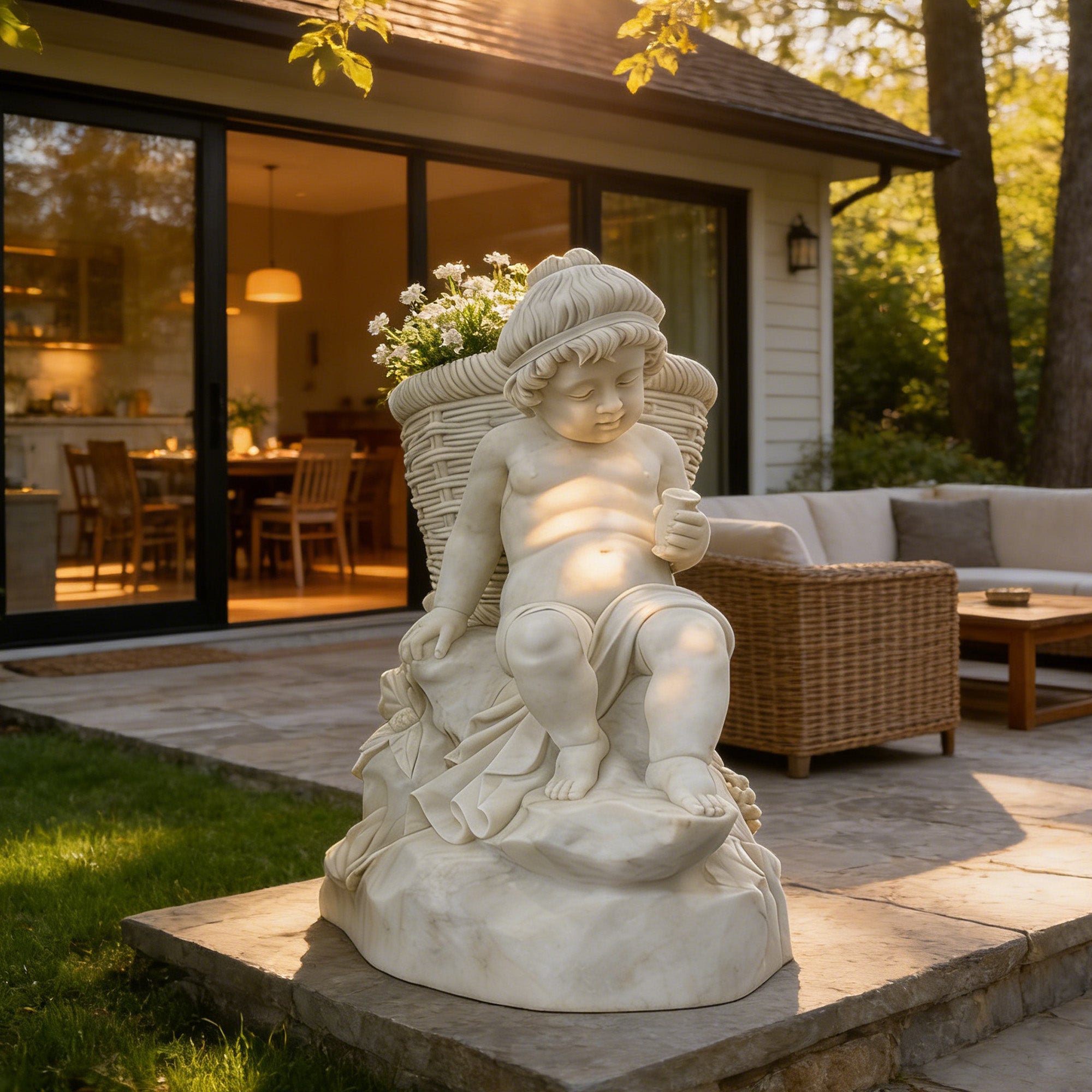
Marble offers a luminosity and purity that has made it the material of choice for figurative sculpture for millennia. A marble bust or marble statue carries an elegance that few other materials can match. For those seeking classical beauty, a carved marble sculpture is an investment in timeless elegance.
Stainless Steel for Abstract
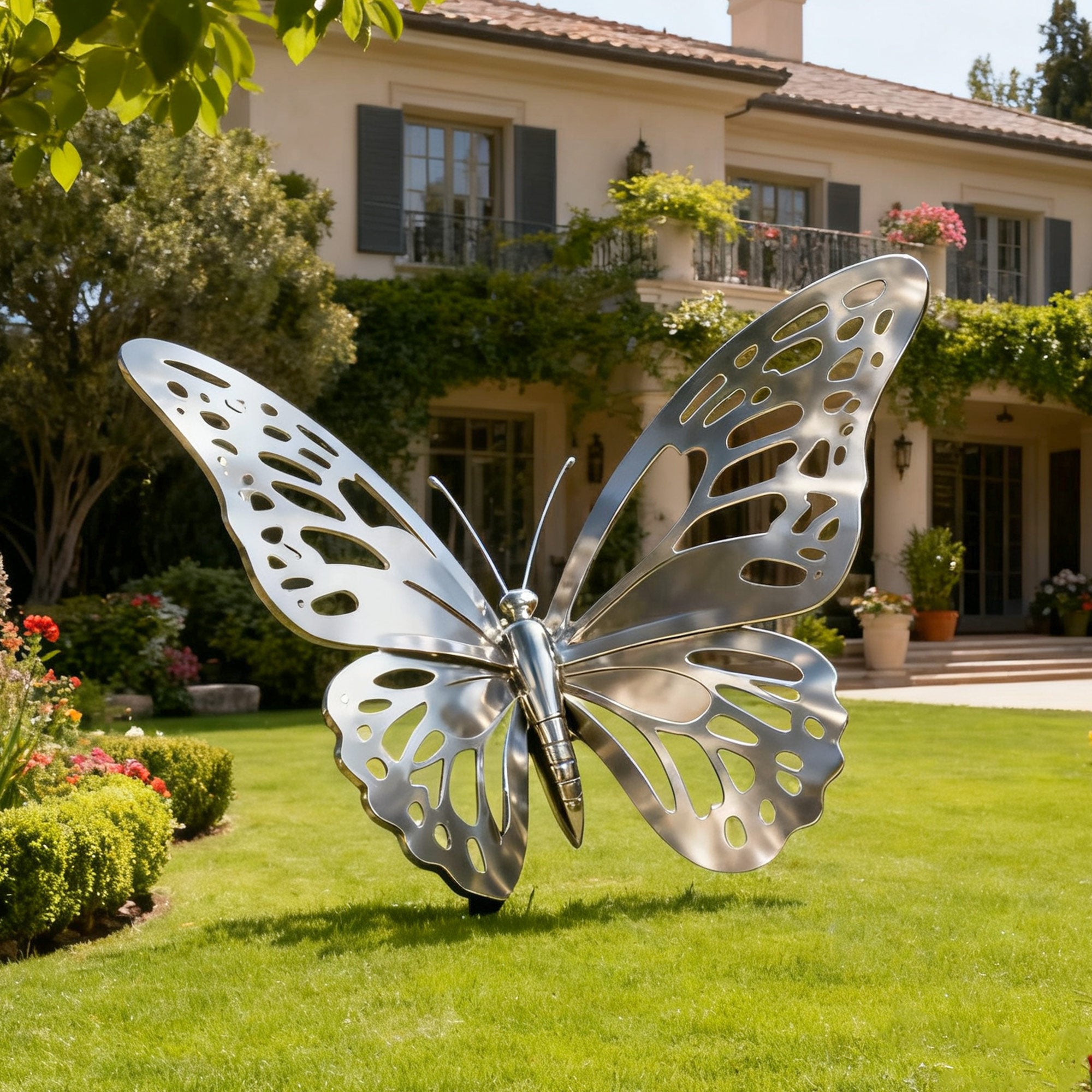
Stainless steel is the material of modern abstraction. Its reflective surface interacts with light and environment, making the sculpture a living part of its surroundings. Clean lines, sweeping curves, and geometric forms all find their natural expression in steel. A modern abstract stainless steel sculpture is ideal for contemporary interiors and modern landscape design.
Fiberglass for Bold Abstract
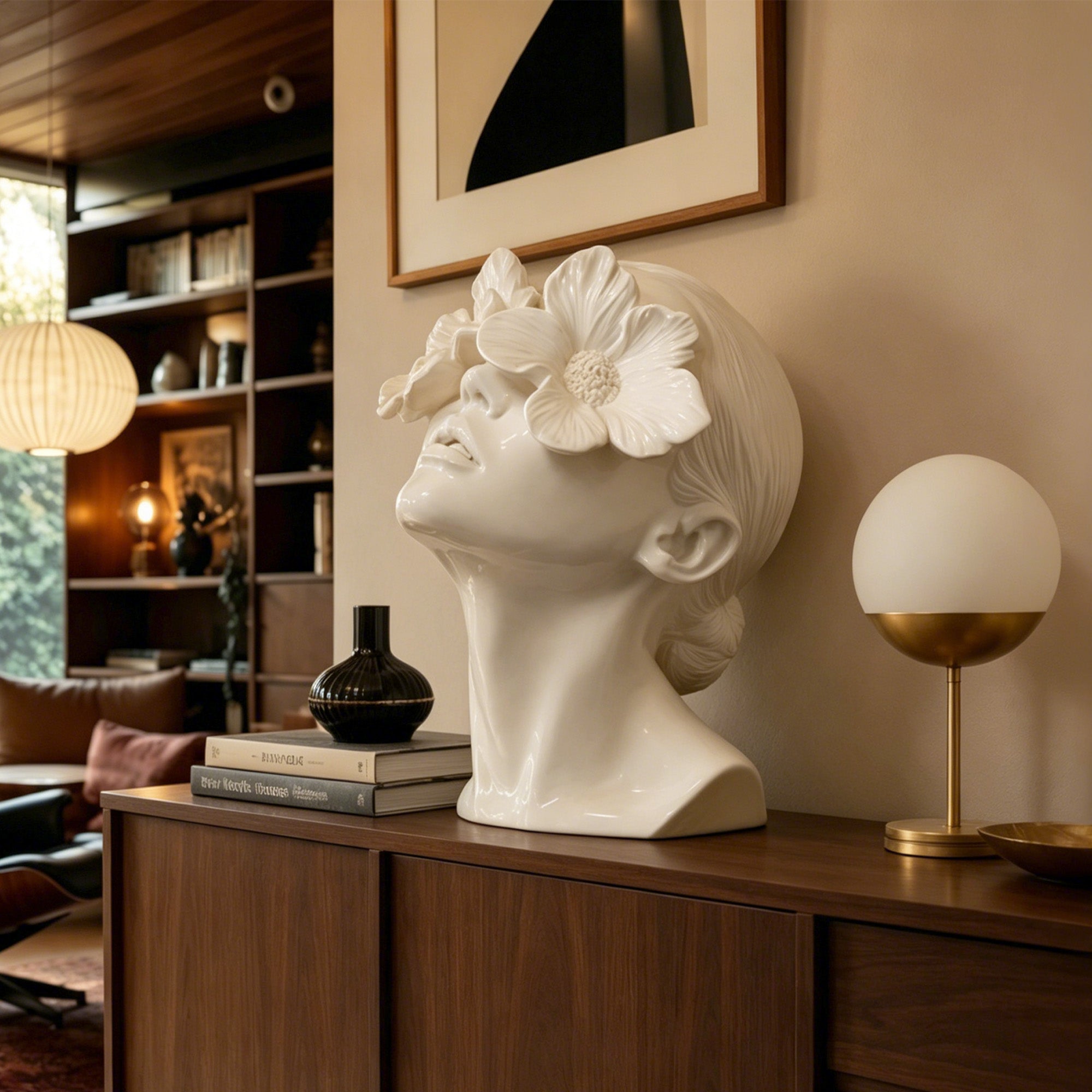
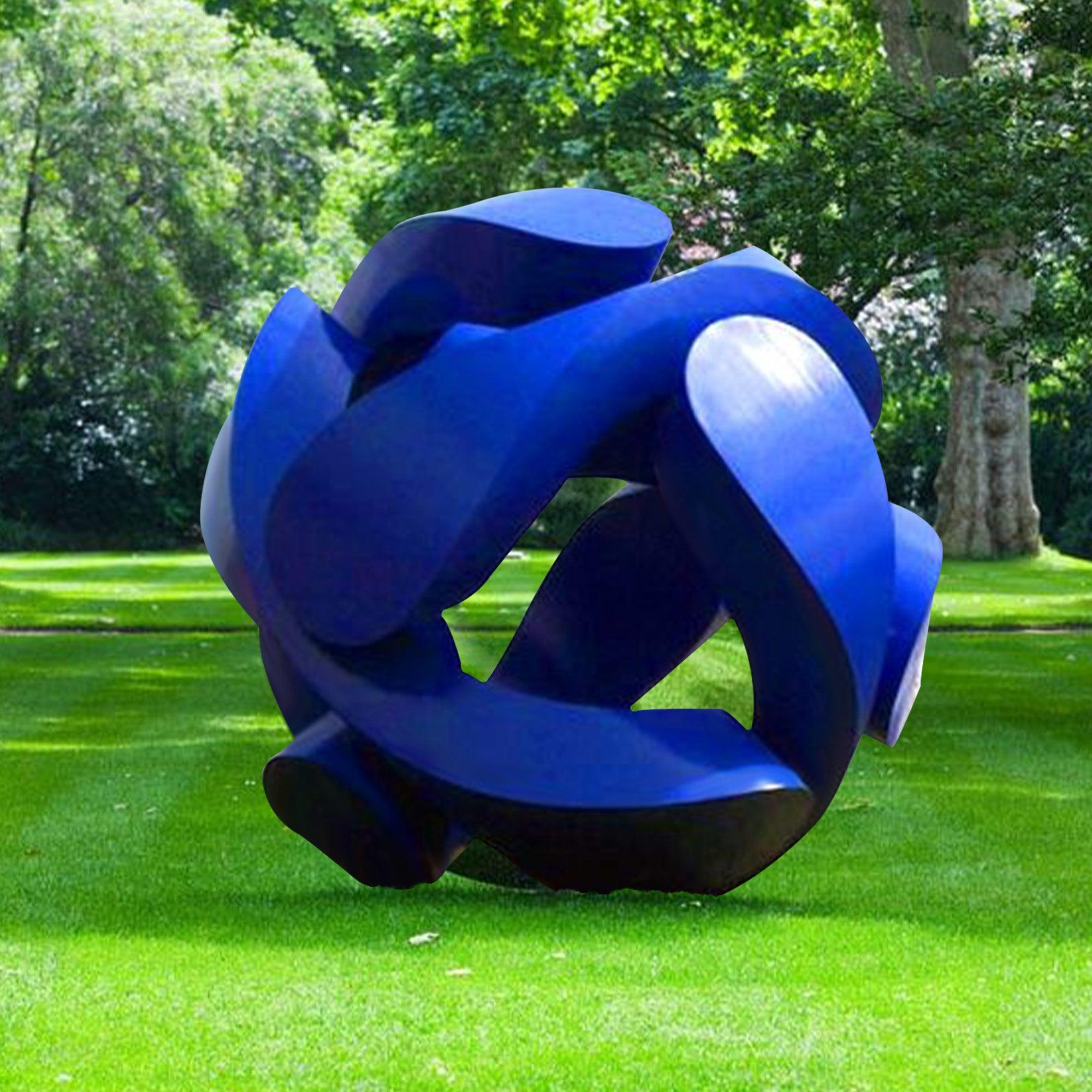
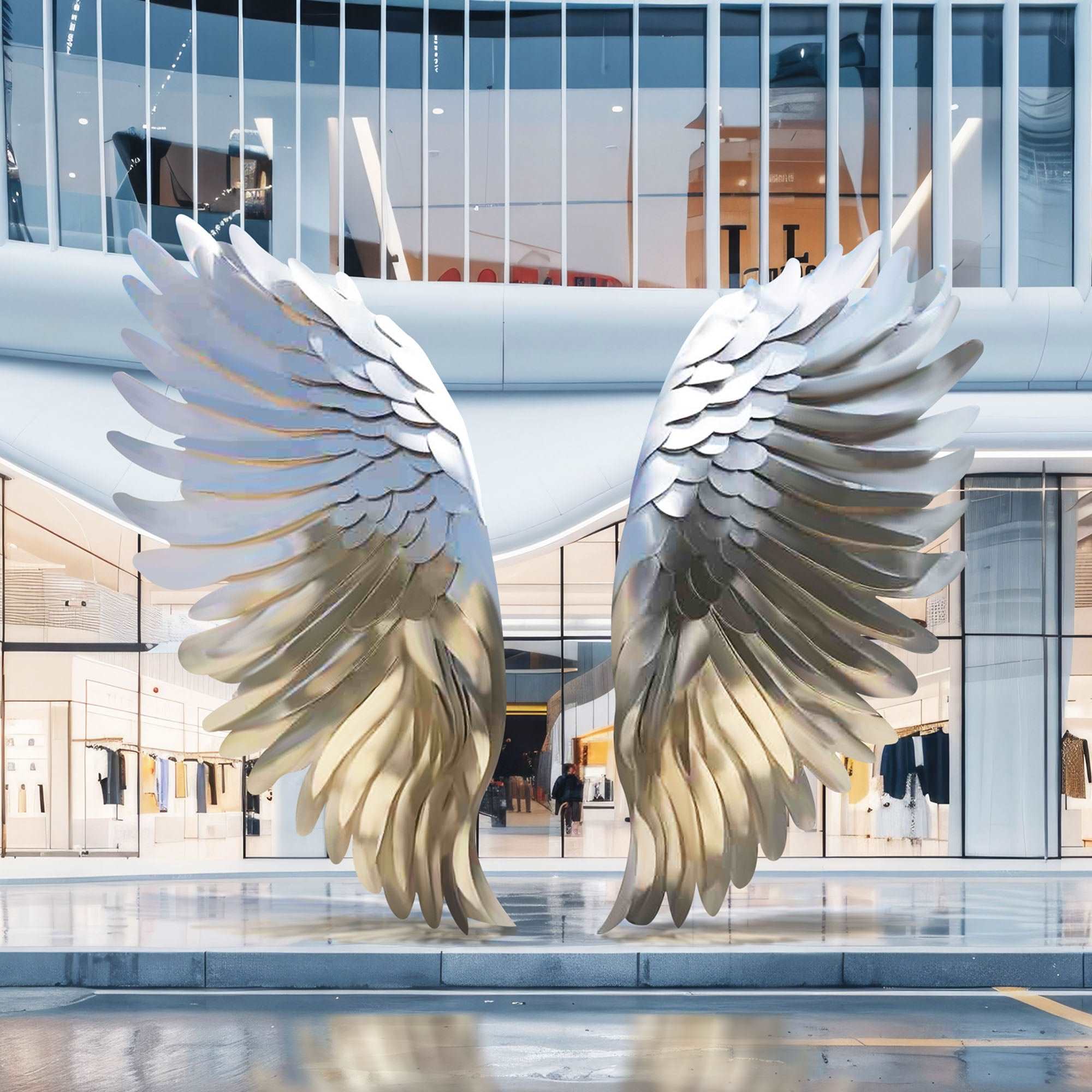
Fiberglass offers design freedom that other materials cannot match. It can achieve dramatic, fluid shapes and vibrant colors—perfect for abstract pieces that demand attention. A colorful fiberglass sculpture can become a playful garden focal point or a bold statement in a commercial space.

How to Decide: Questions to Ask Yourself
Still unsure? Ask yourself these questions:
-
What story do you want the sculpture to tell?
Figurative sculpture tells a clear story through recognizable subjects. Abstract sculpture invites you to create your own story. Which do you prefer? -
How do you want the piece to make you feel?
Figurative works offer immediate emotional access. Abstract works emphasize form and mood. Do you want a direct emotional connection, or a more open, personal experience? -
What is the style of your space?
Does your home lean traditional, classical, and warm? Or modern, minimalist, and clean? Match the sculpture to the architecture. -
How do you want guests to react?
Do you want them to say "what a beautiful figure"? Or "what do you think that means?" Both are valid. One is about admiration. The other is about conversation. -
What will you enjoy living with?
This is the most important question. A sculpture is not just for guests—it is for you. Choose something you want to see every day.
A Note on the In-Between
Not all sculptures fit neatly into one category. Some pieces sit between figurative and abstract—the human body is still legible, but reduced to essential mass, gesture, or silhouette. These "abstract figurative" works offer the best of both worlds: the recognizability of the human form with the expressive freedom of abstraction. A bronze abstract figurative sculpture can be a beautiful artistic statement that bridges tradition and modernity.
If you find yourself torn between the two styles, this middle ground may be exactly where you belong.

Figurative and abstract sculpture are not competitors. They are different languages for saying different things. Figurative sculpture speaks in clear sentences. It tells stories we already know—of people, animals, and the beauty of the human form. It is warm, accessible, and timeless. Abstract sculpture speaks in poetry. It suggests rather than states. It asks us to participate, to interpret, to see the world differently. It is modern, intriguing, and endlessly surprising.
The right choice is not about which style is "better." It is about which style tells your story more authentically. It is about what you want to live with, what you want to say, and how you want your space to feel.
So ask yourself: do you want a sculpture that announces itself—or one that reveals itself over time? The answer will tell you everything you need to know.
Explore our collection of figurative and abstract sculptures—available in bronze, marble, stainless steel, and fiberglass. Find the piece that tells your story.