

A swimming pool is more than just a place to swim. It is the centerpiece of your outdoor living space—a place for relaxation, entertainment, and making memories.
But something is often missing. The water is there. The loungers are there. The landscaping is there. Yet the space still feels incomplete.
What transforms a pool area from a functional backyard feature into a curated retreat? Art. The right sculpture at the water's edge turns an ordinary pool into an extraordinary destination.
However, choosing a sculpture for a poolside setting is not the same as choosing one for a garden or a living room. Pool areas present unique challenges: constant moisture, chemical exposure, intense sunlight, and temperature fluctuations. A sculpture that looks perfect indoors may not survive a season beside the water.
This guide covers everything you need to know about choosing poolside sculptures—from materials that last to design themes that inspire, plus practical tips on placement and maintenance.

Why Material Matters Most
Your material choice is the single most critical decision for poolside sculpture longevity. Pool areas are beautiful but demanding environments. Constant moisture, splashing water, UV exposure, and pool chemicals all put pressure on materials over time.
Here is how the four main sculpture materials perform in a poolside setting.
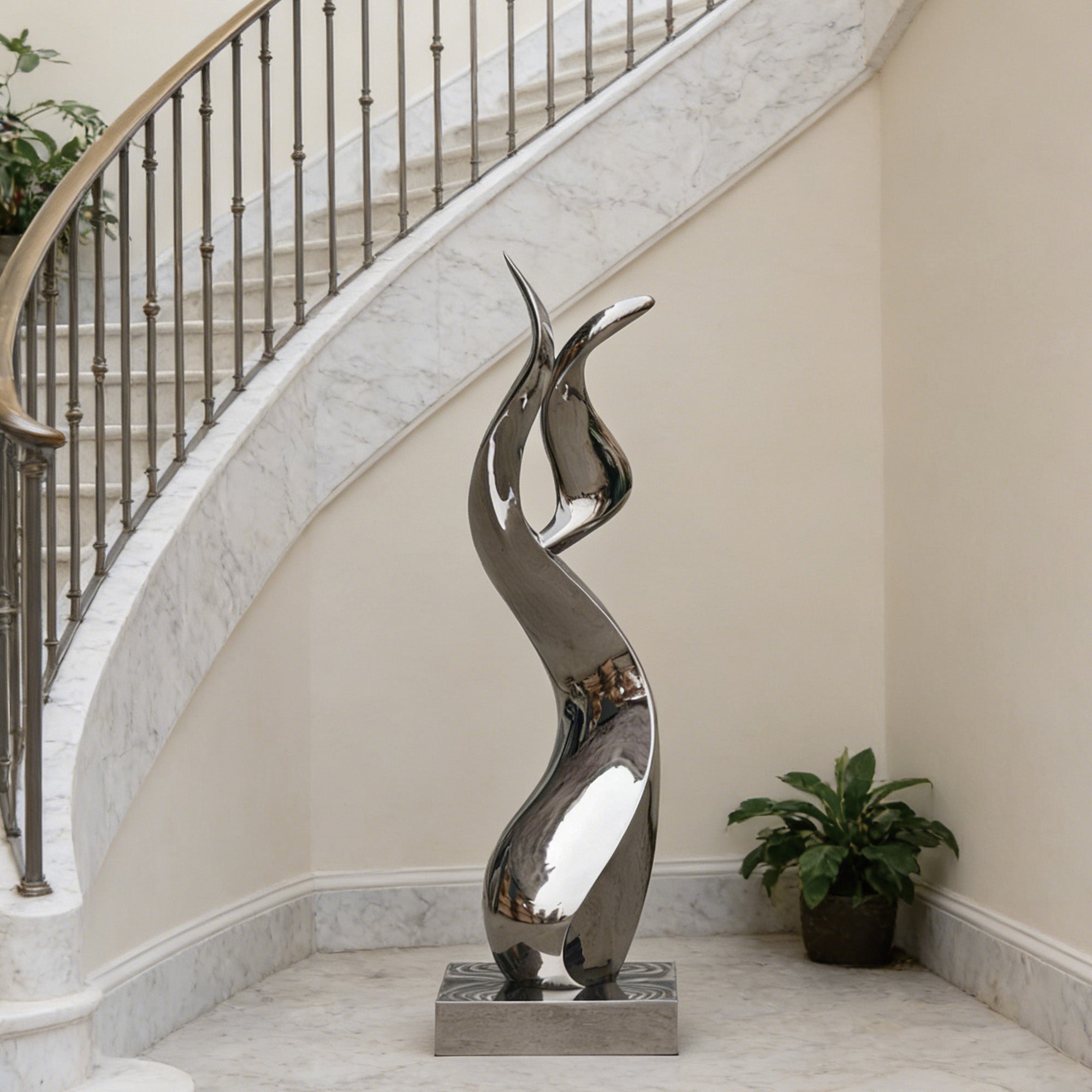
Stainless Steel: The Modern Champion
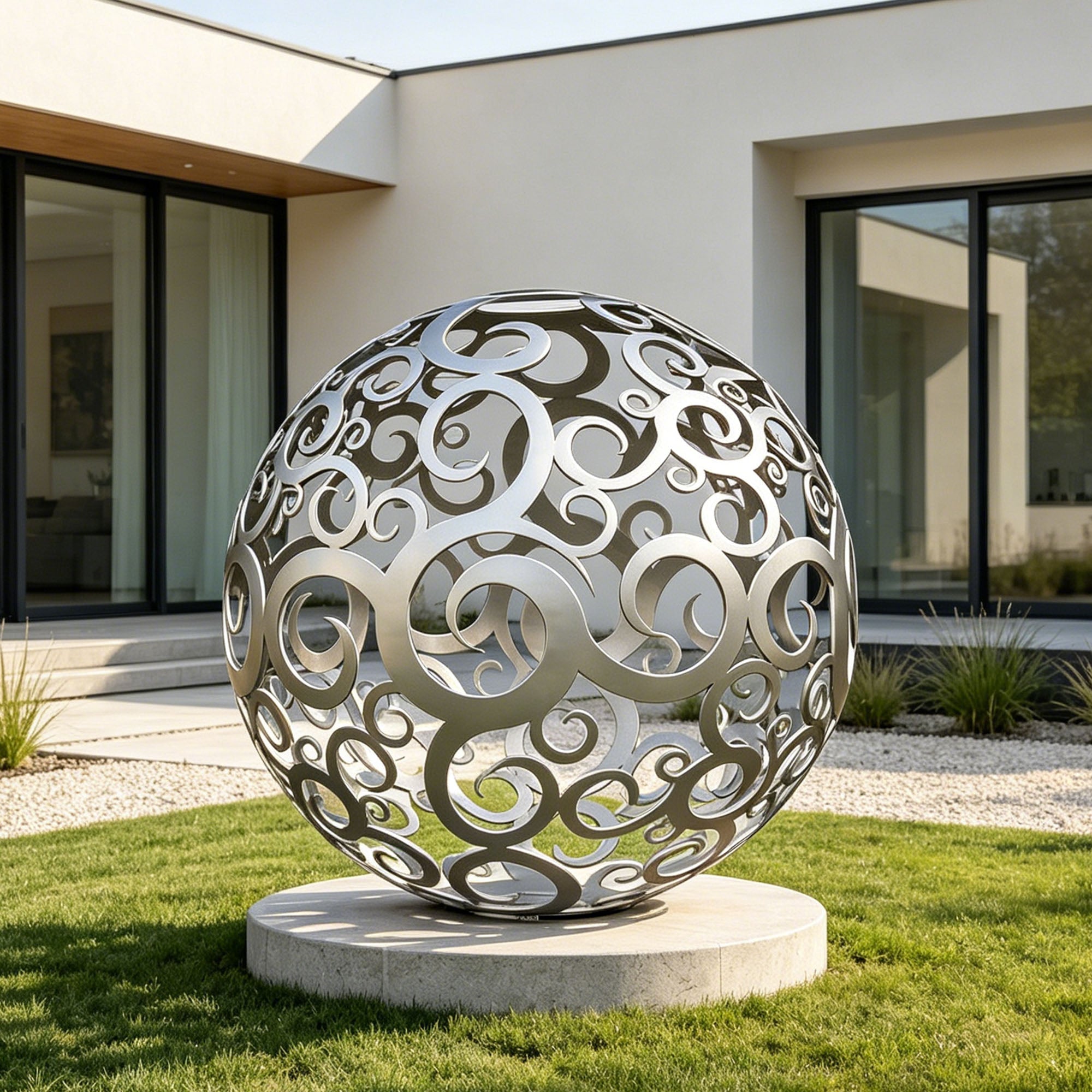
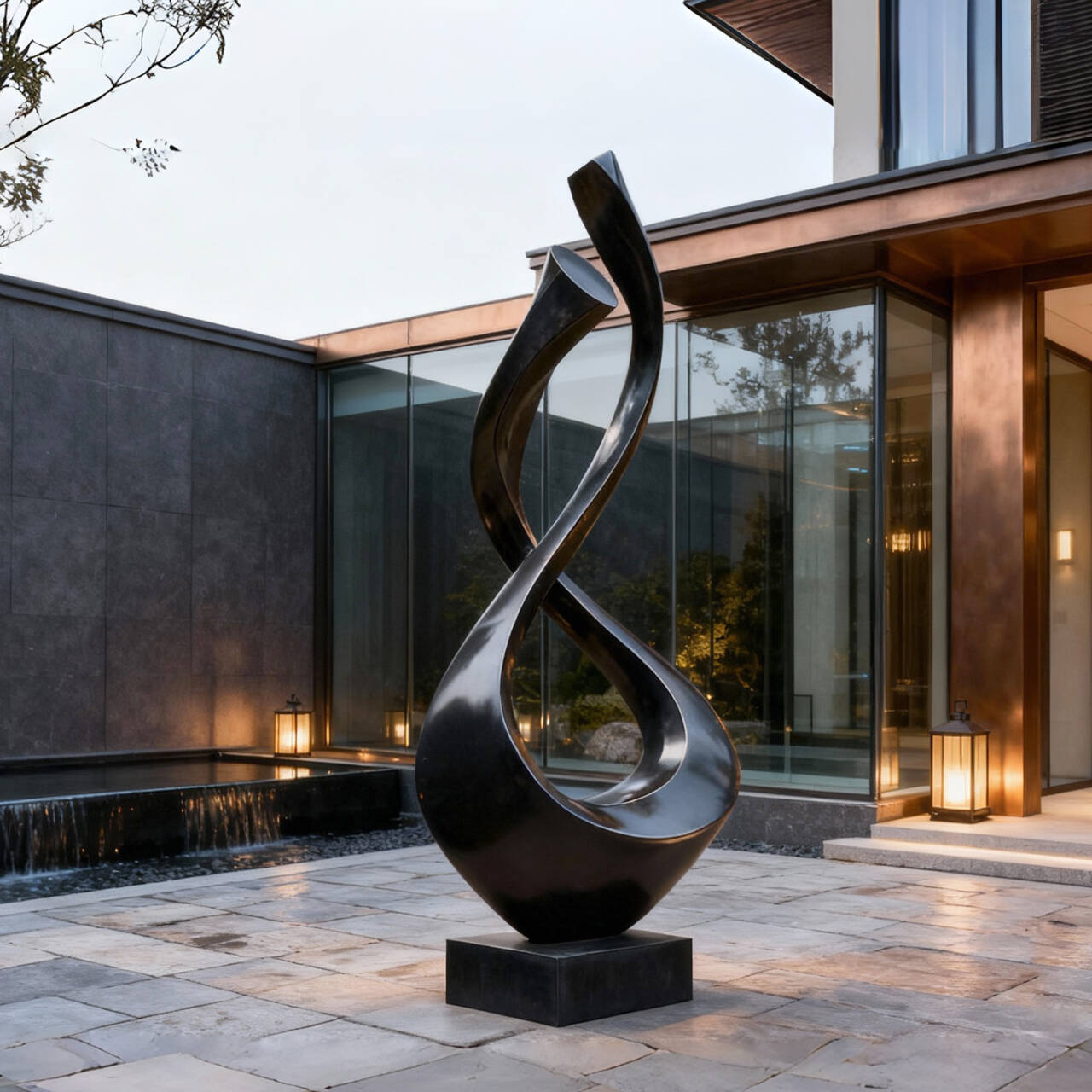
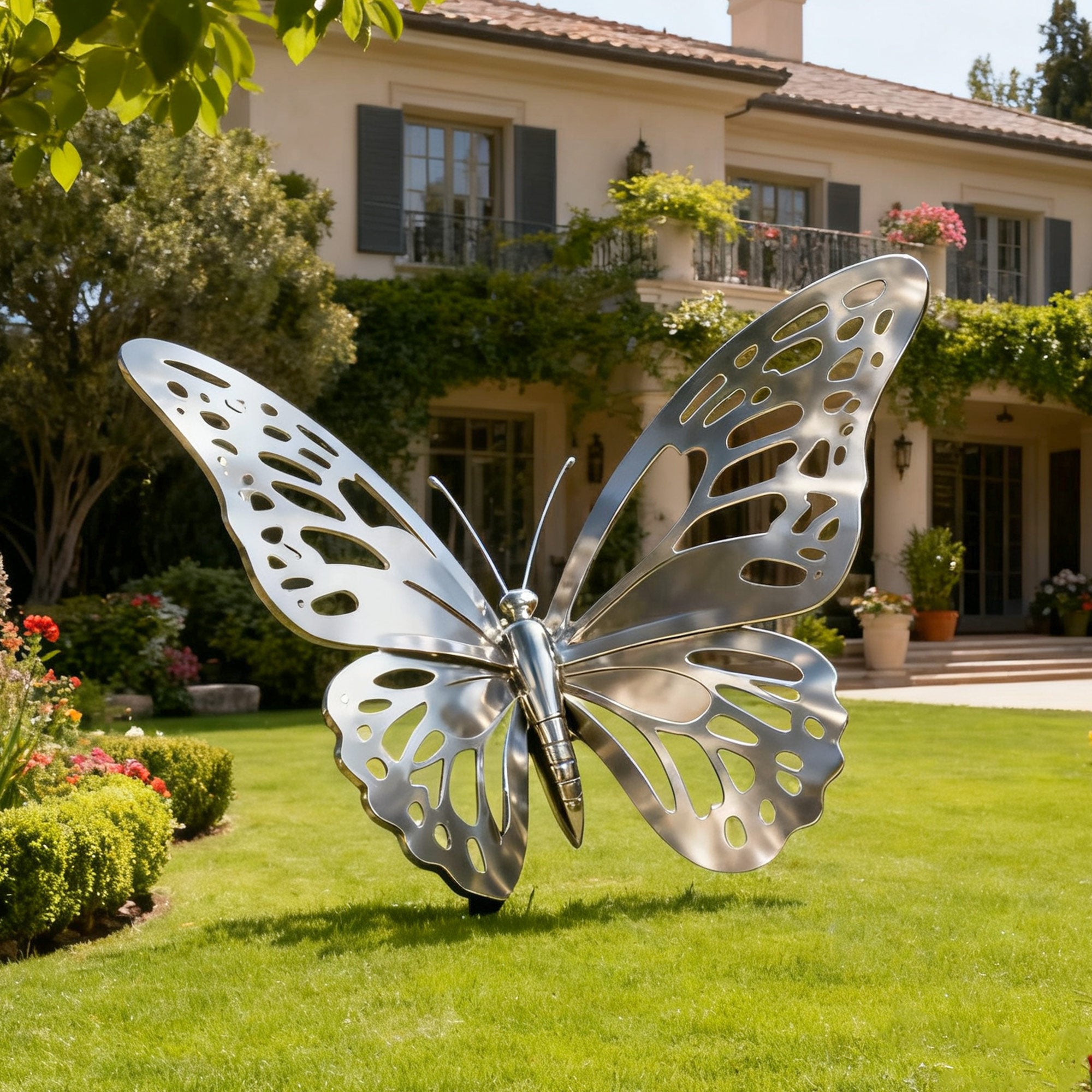
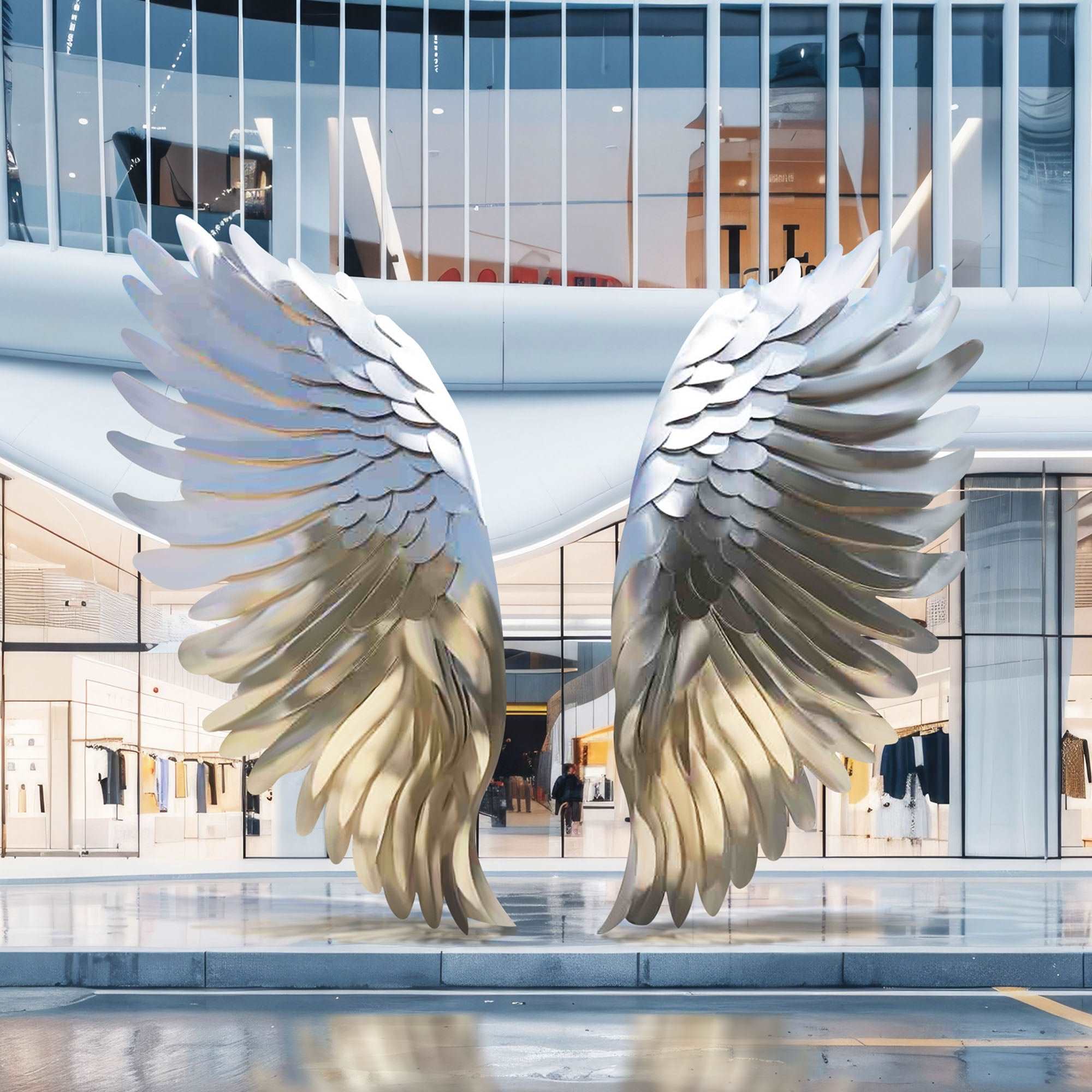
Stainless steel is the go-to material for modern, architectural poolside sculpture. It is practical, visually striking, and exceptionally well-suited to wet environments.
Key Advantages:
-
Corrosion resistance—non-porous and rust-resistant, stainless steel handles moisture and pool chemicals with ease
-
Low maintenance—a simple rinse with fresh water preserves its sleek appearance
-
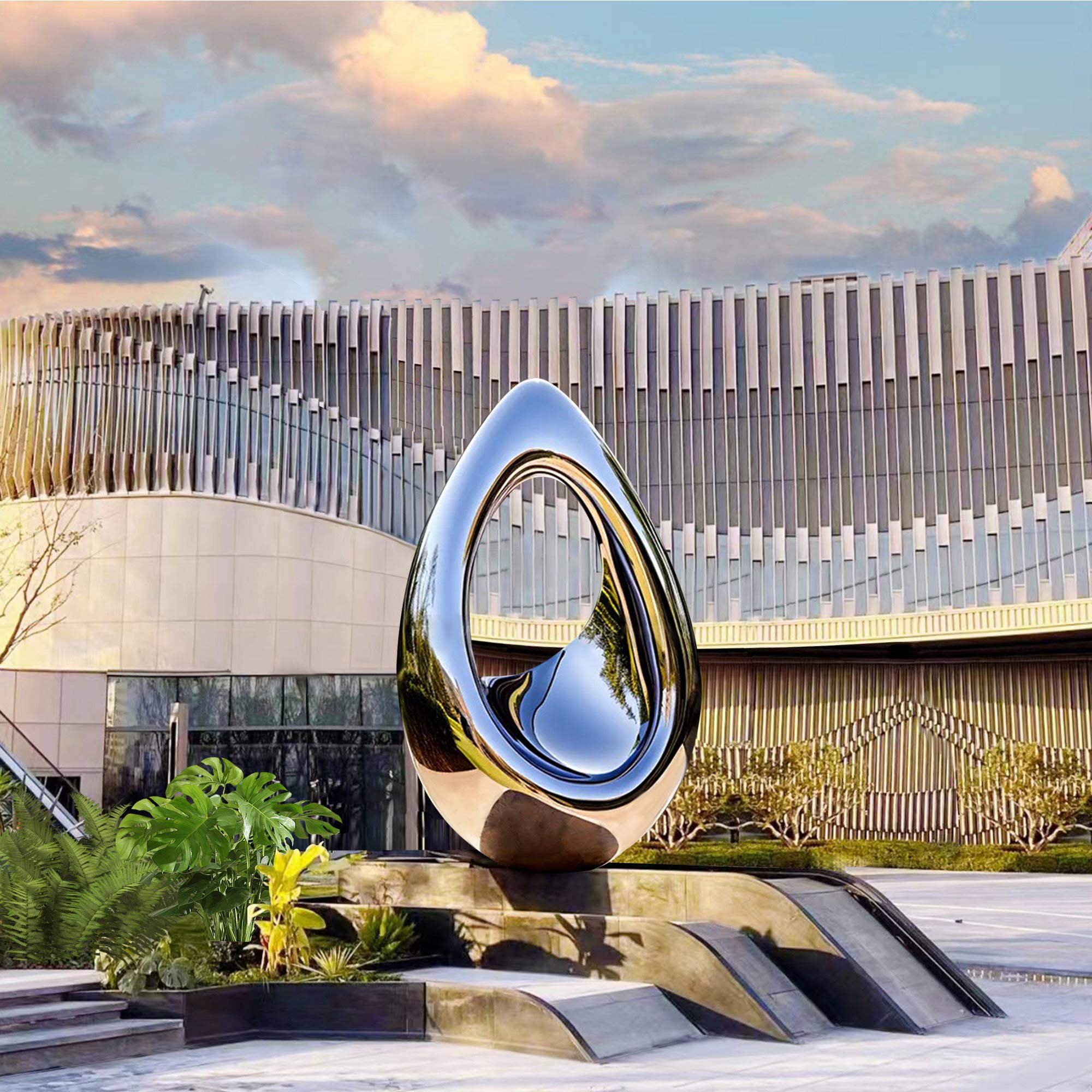
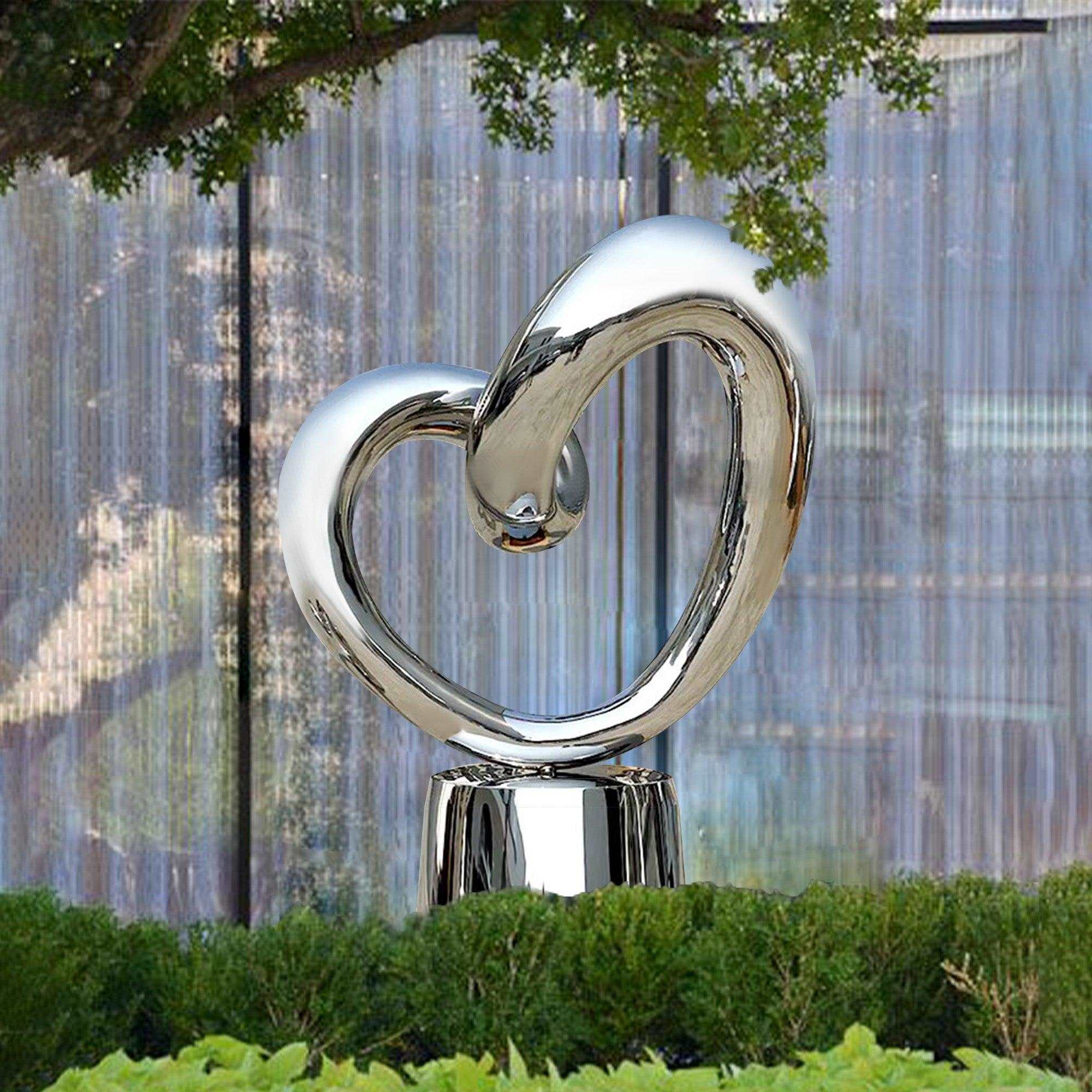
Reflective beauty—stainless steel reflects water and light beautifully, creating dynamic visual effects that change throughout the day
-
Modern aesthetic—its clean, crisp lines make it ideal for contemporary pool designs
What to Consider:
-
Grade matters—for poolside installations, choose 316 marine-grade stainless steel. It contains molybdenum, which significantly improves resistance to chlorides from pool water and coastal air. 304-grade stainless steel may stain or pit in these environments.
-
Finish selection—mirror polish creates drama and reflection; satin or brushed finishes offer a softer architectural look
-
Installation details—avoid horizontal ledges where water can pool. Use hidden fixings to reduce crevices where moisture accumulates
Best For: Modern homes, minimalist villas, rooftop pools, and commercial spaces seeking a clean, contemporary look.
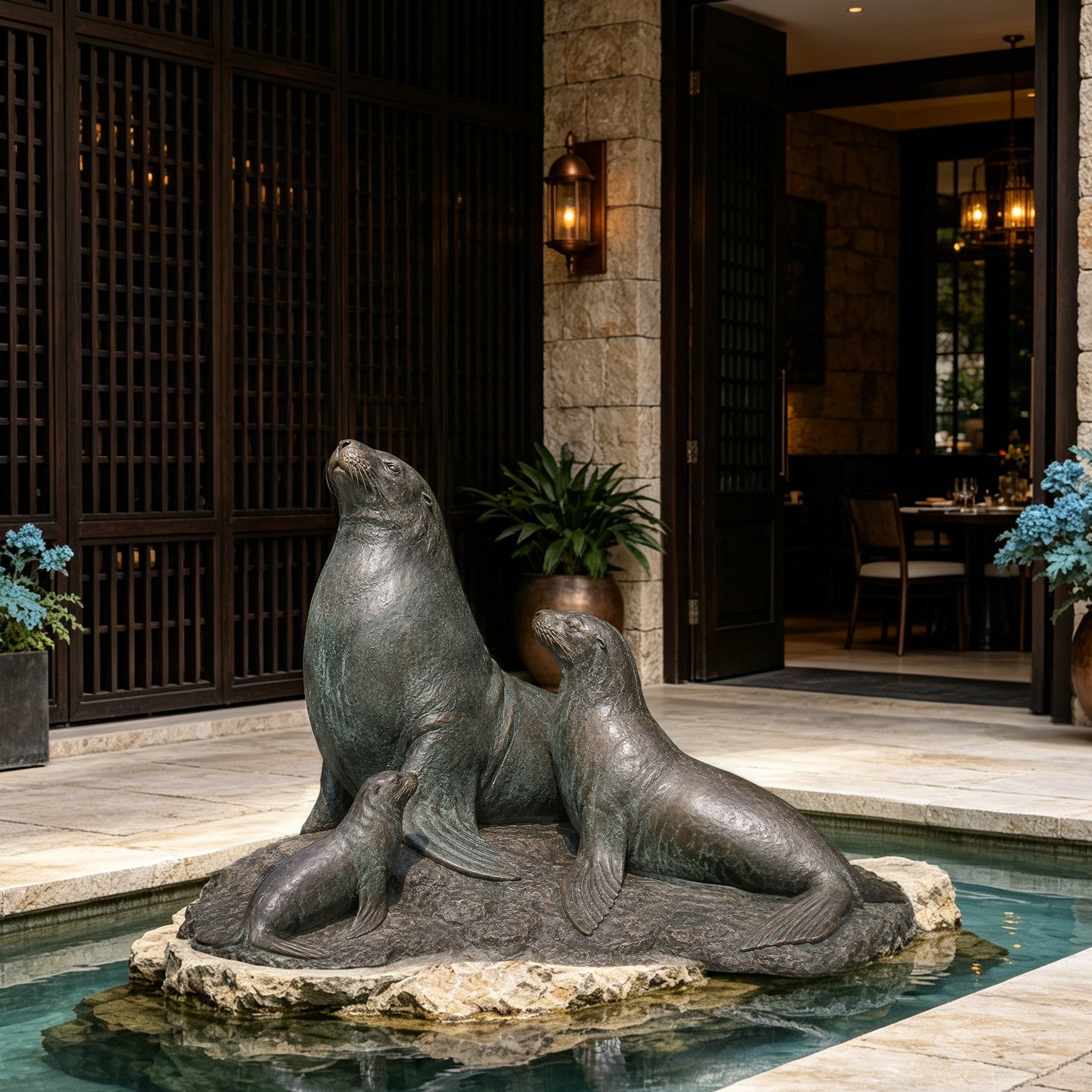
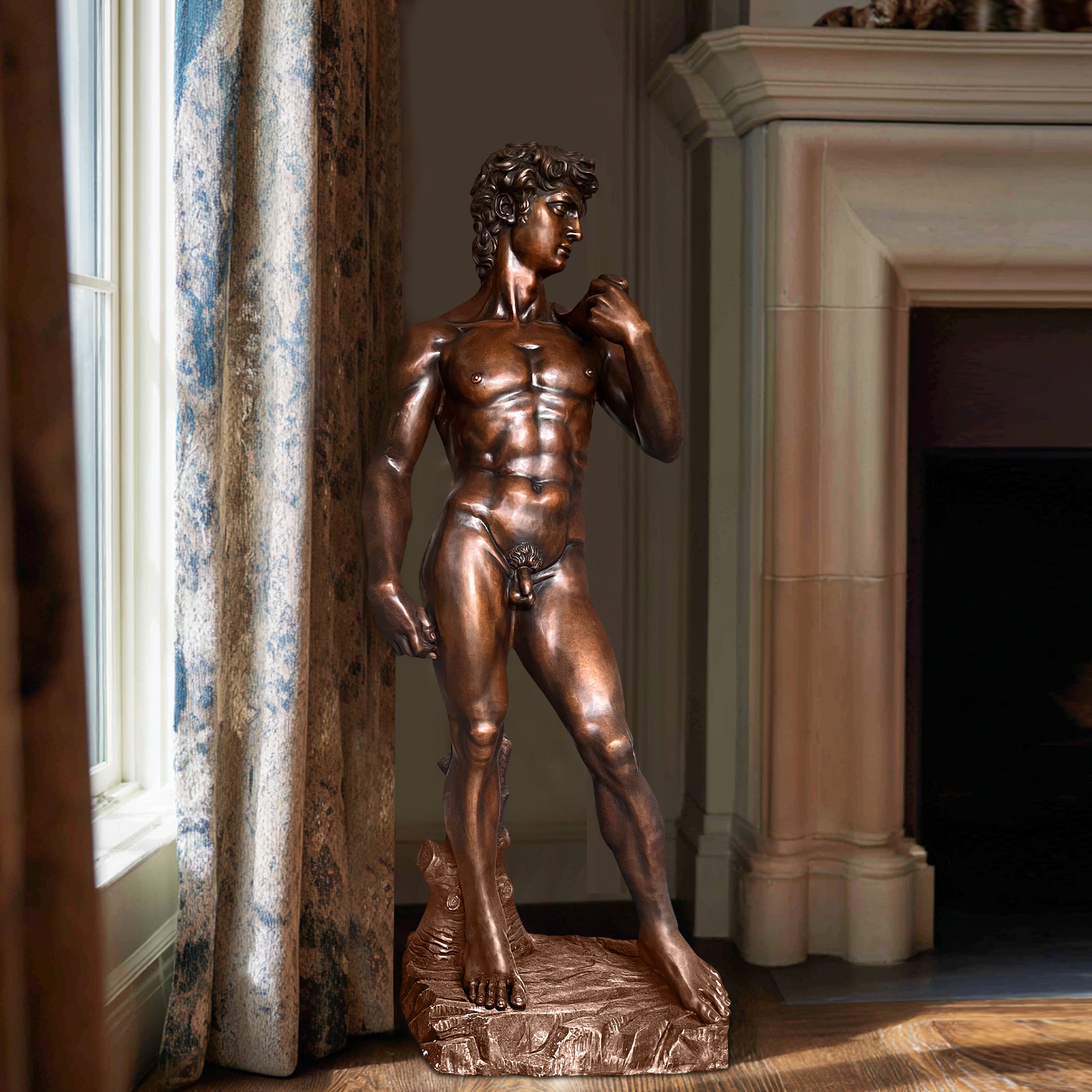
Bronze: The Classic Storyteller
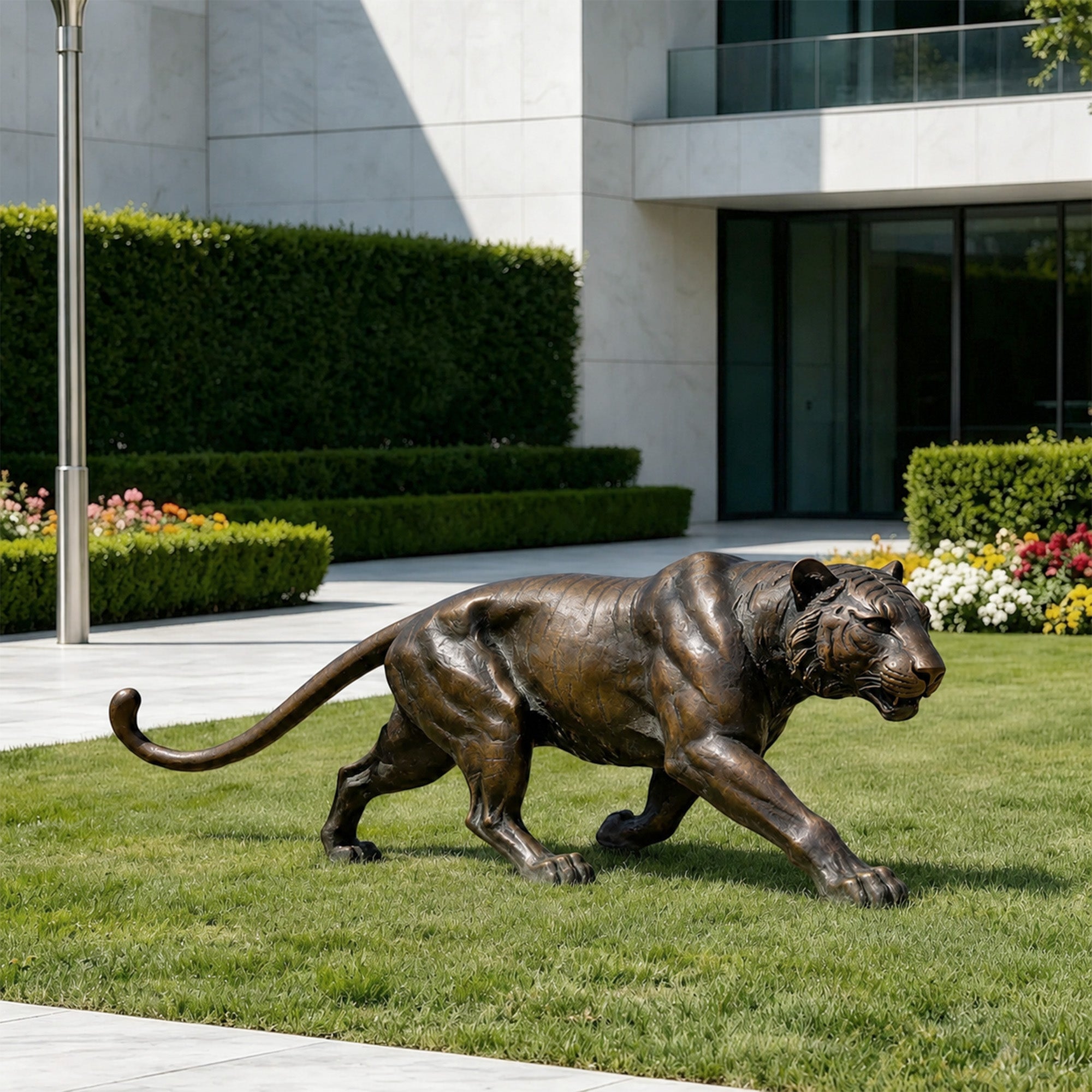
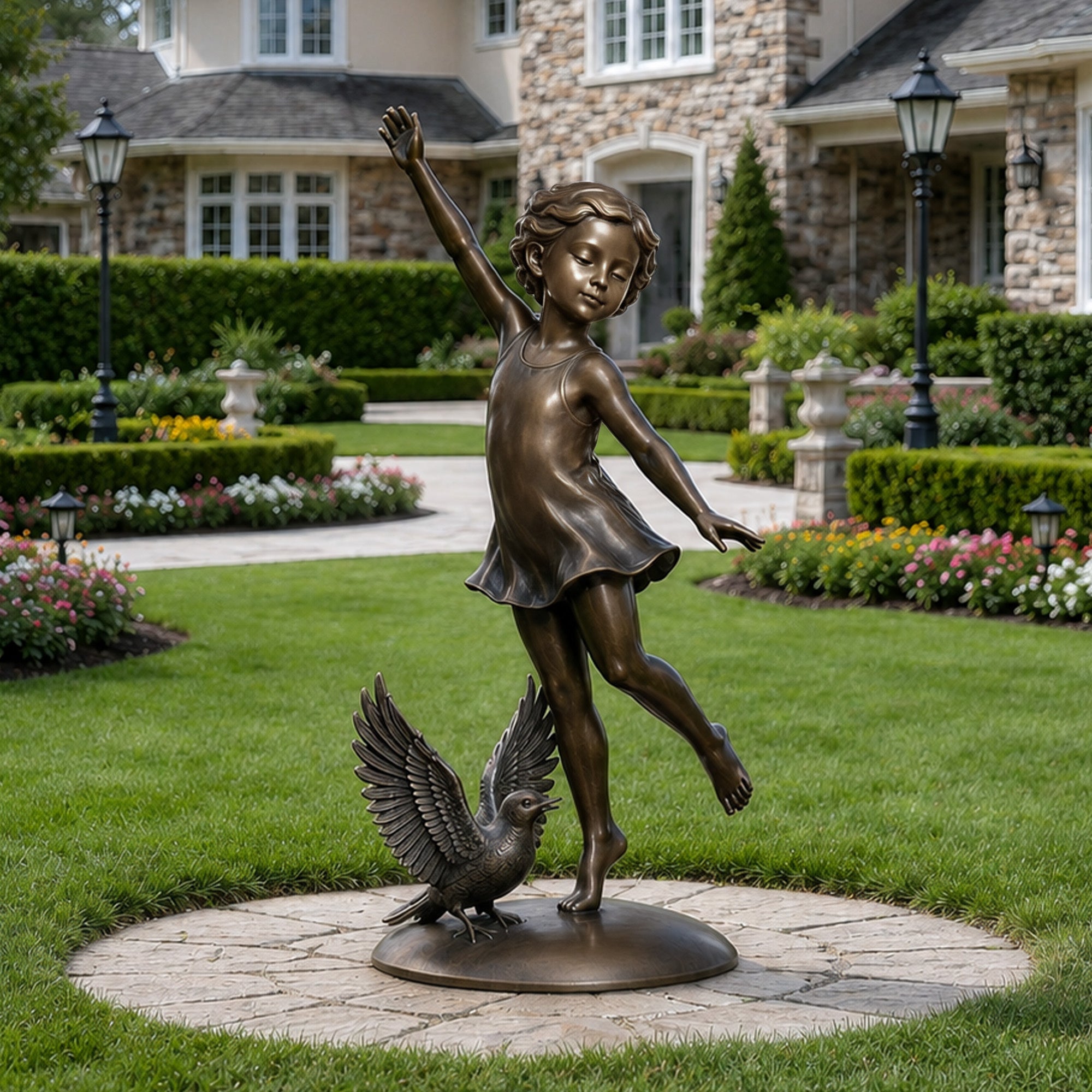
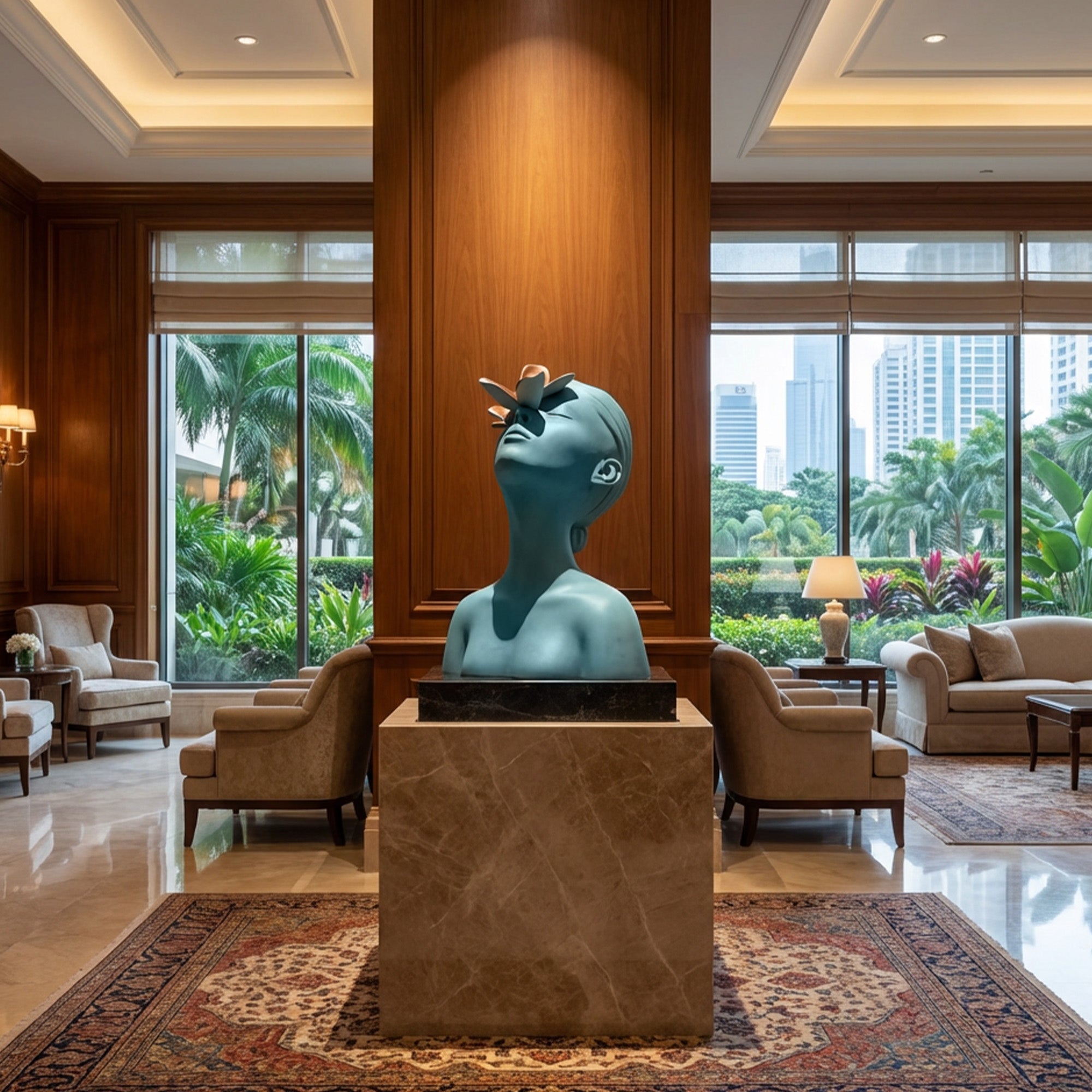
Bronze has been used for outdoor sculpture for centuries and remains one of the most beloved materials for collectors and designers. It offers a warmth and depth that feels immediately artistic and substantial.
Key Advantages:
-
Timeless elegance—bronze sculptures bring a sense of history and craftsmanship that few materials can match
-
Living finish—bronze develops a noble, stable patina over time, gaining character and depth as it ages
-
Durability—when properly maintained, bronze can last for generations outdoors
-
Artistic value—bronze feels like a true sculpture artwork, a focal point that elevates the entire space
What to Consider:
-
Patina development—bronze will naturally change color over time, especially in humid or coastal environments. This is part of its charm, but some owners prefer to control the patina with wax or sealants.
-
Maintenance—regular cleaning and occasional waxing are required to maintain the finish. In poolside settings, rinse with fresh water after exposure to chlorinated splashes.
-
Weight—bronze is heavy, requiring a solid, stable foundation
Best For: Luxury villas, private estates, boutique hotels, and projects where the sculpture is meant to feel like a true work of art.

Fiberglass: The Artist's Canvas
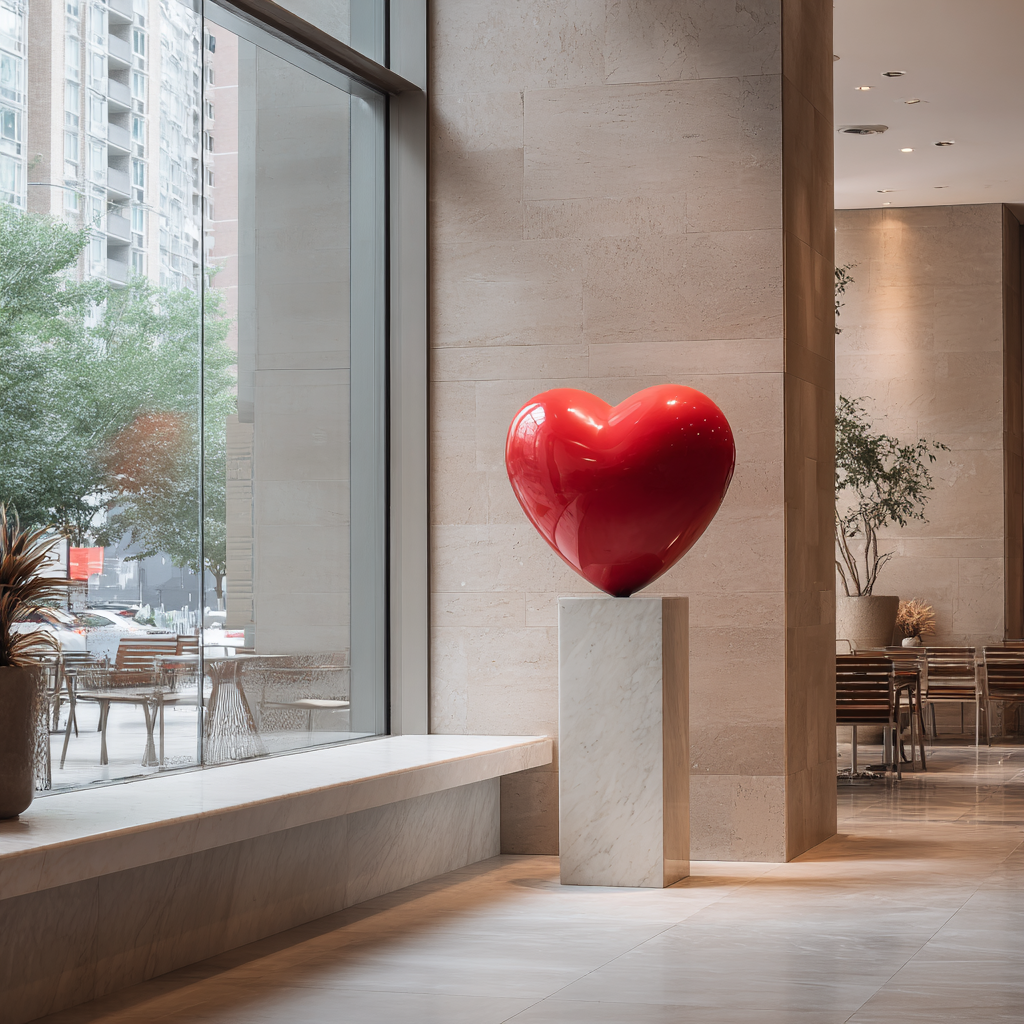
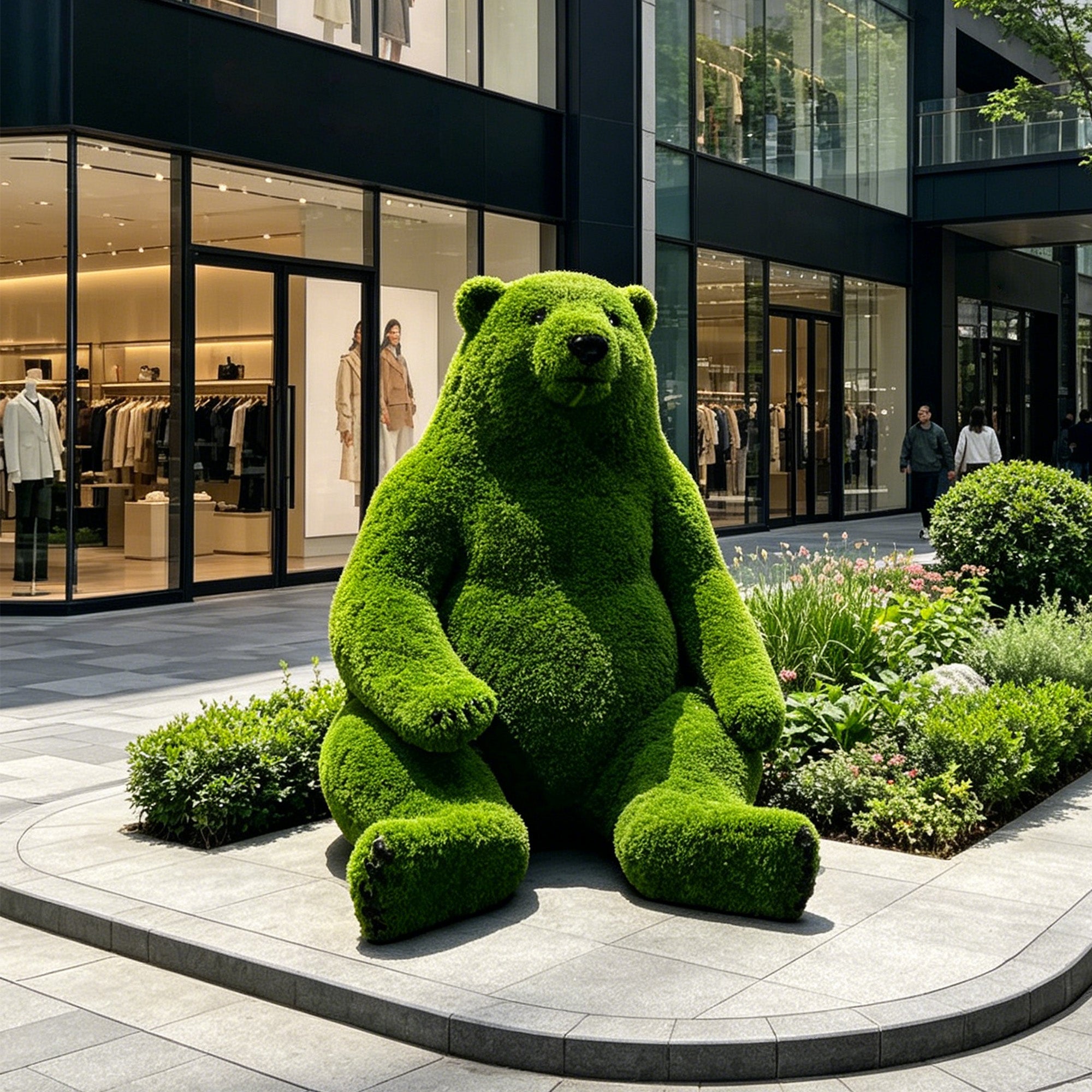
Fiberglass (FRP) offers remarkable design flexibility. When sealed with marine-grade finishes, fiberglass is weather-proof, lightweight, and resistant to fading, cracking, and warping under sun, rain, or constant water exposure.
Key Advantages:
-
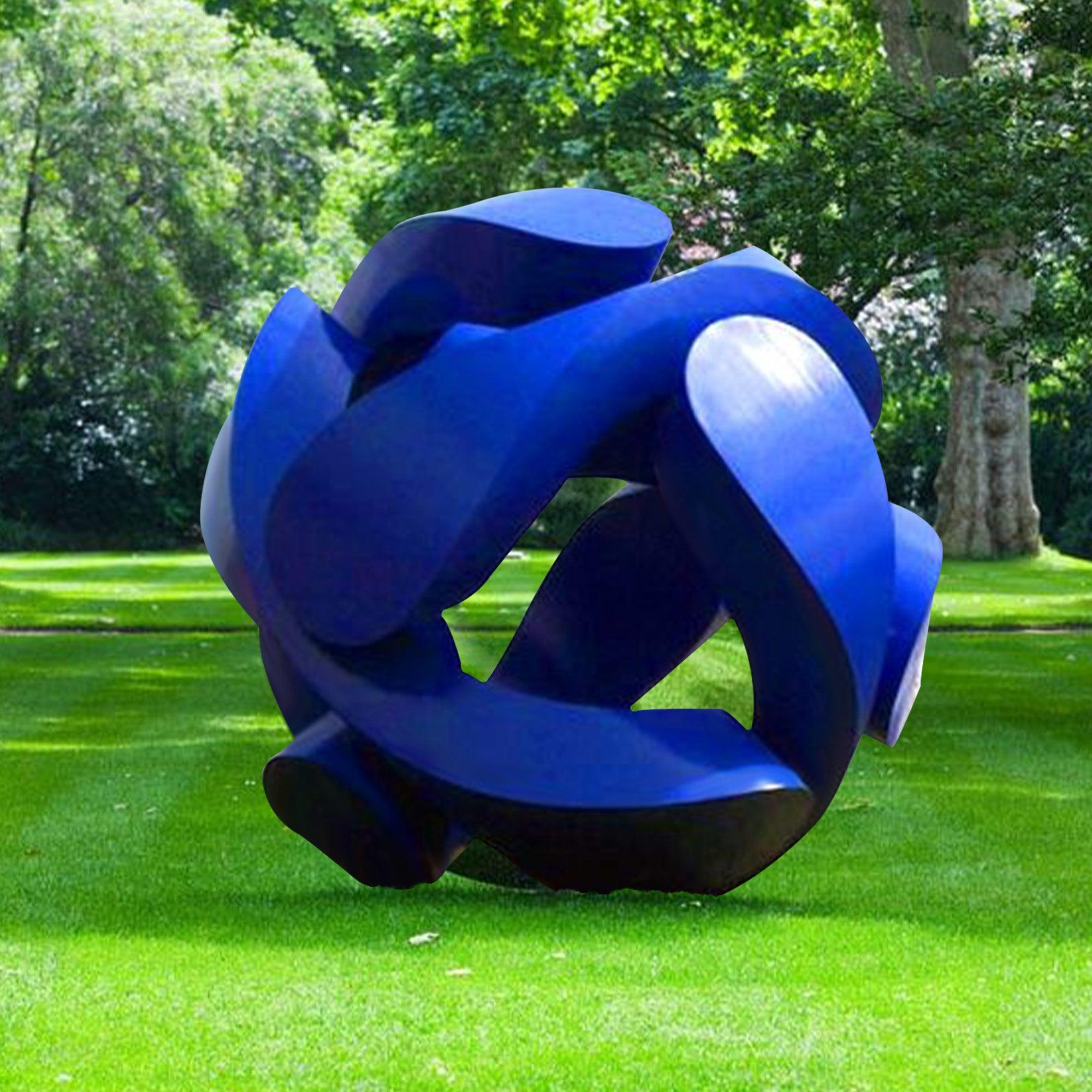
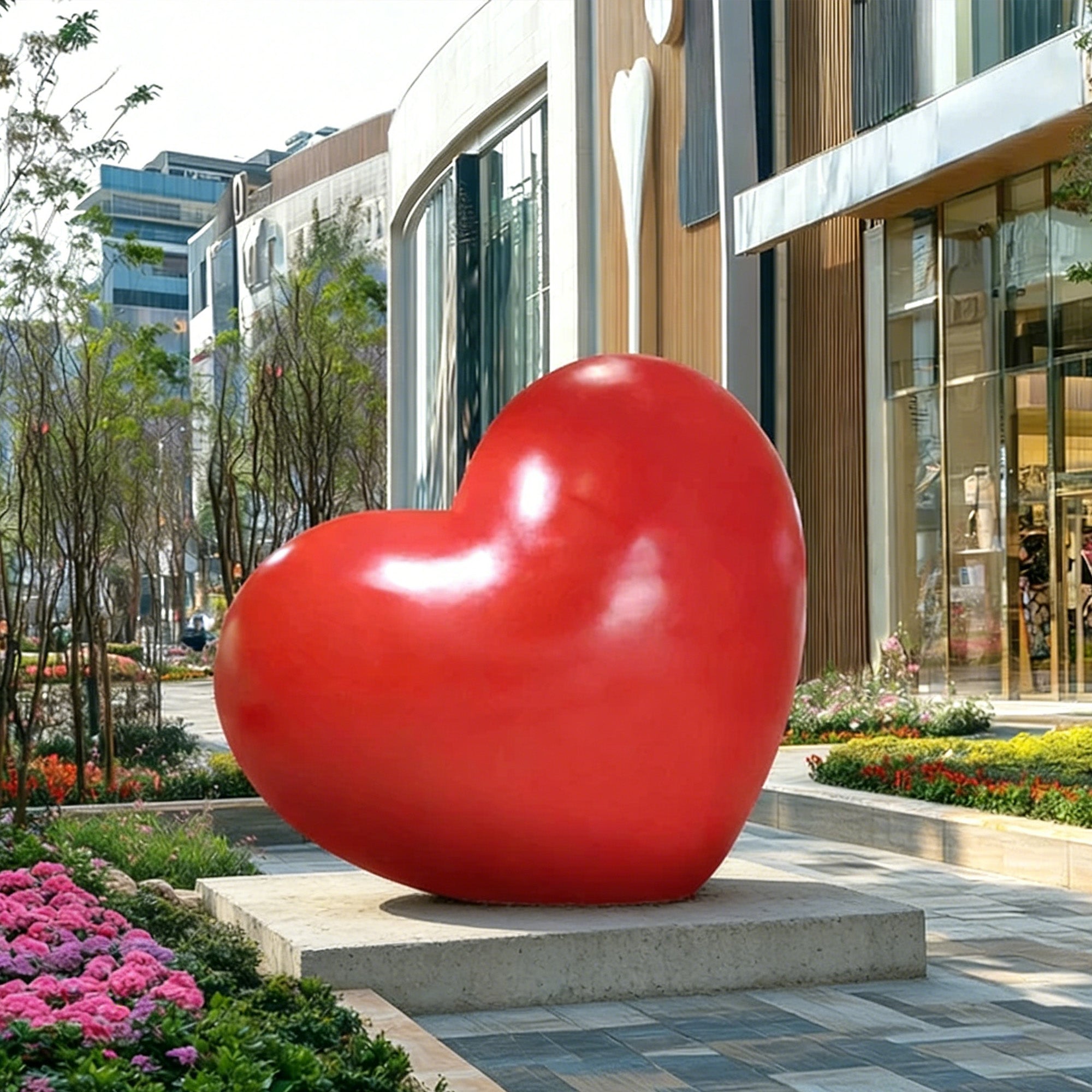
Design freedom—fiberglass allows for dramatic, fluid shapes that feel inherently at home near water
-
Vibrant colors—it can be finished in almost any color, making it ideal for bold, playful statements
-
Lightweight—easy to move and install, especially for large or complex forms
-
Weather resistance—resists UV rays, heavy rain, and even salty coastal air without losing structural integrity
What to Consider:
-
UV protection—choose fiberglass sculptures treated with UV-resistant coatings to prevent fading over time
-
Sealing—marine-grade sealants are essential for long-term durability in wet environments
-
Physical durability—while highly weather-resistant, fiberglass can be more susceptible to physical damage than metal or stone
Best For: Whimsical, colorful designs; aquatic themes like dolphins, turtles, and mermaids; and projects where bold forms and bright colors are desired.
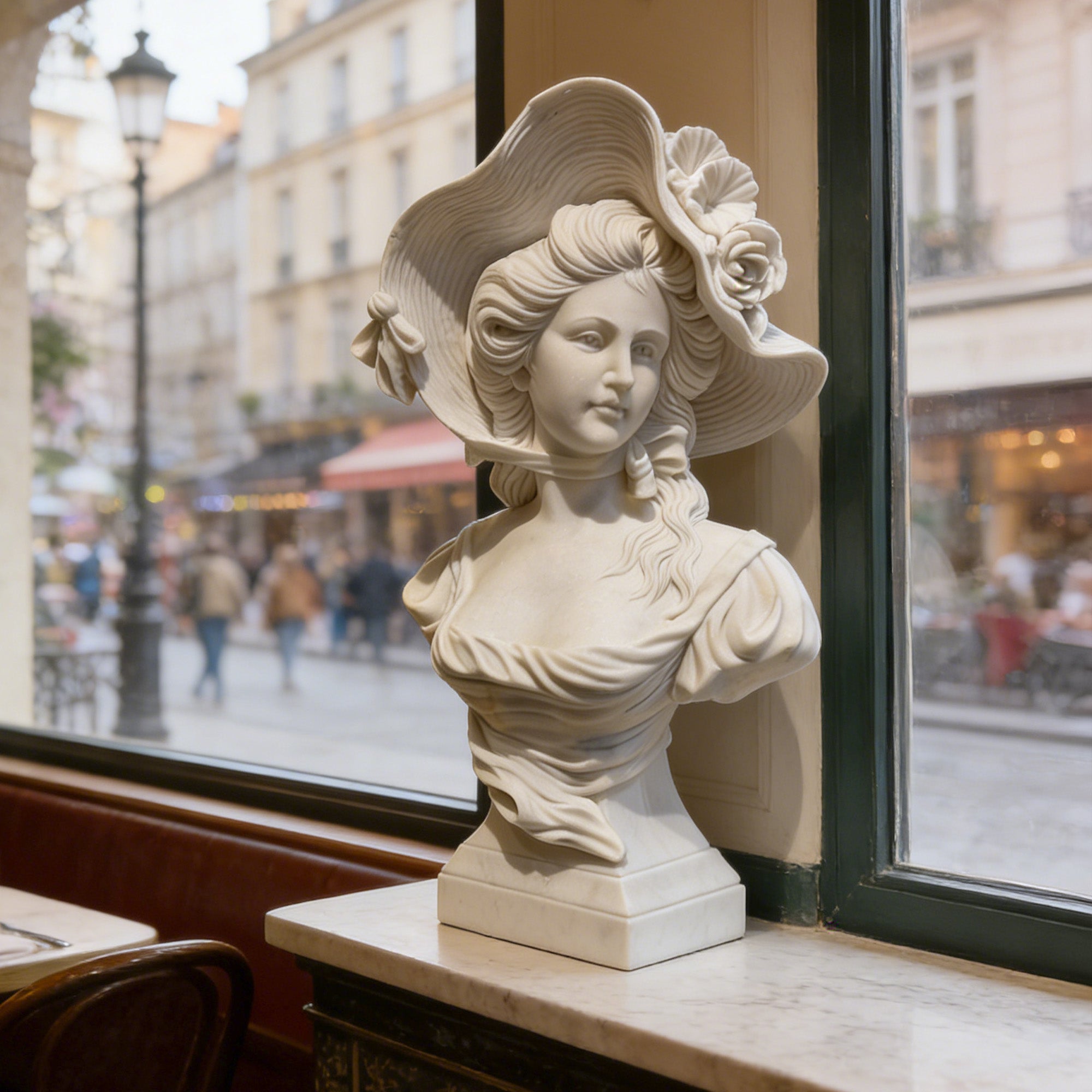
Marble: The Timeless Heirloom
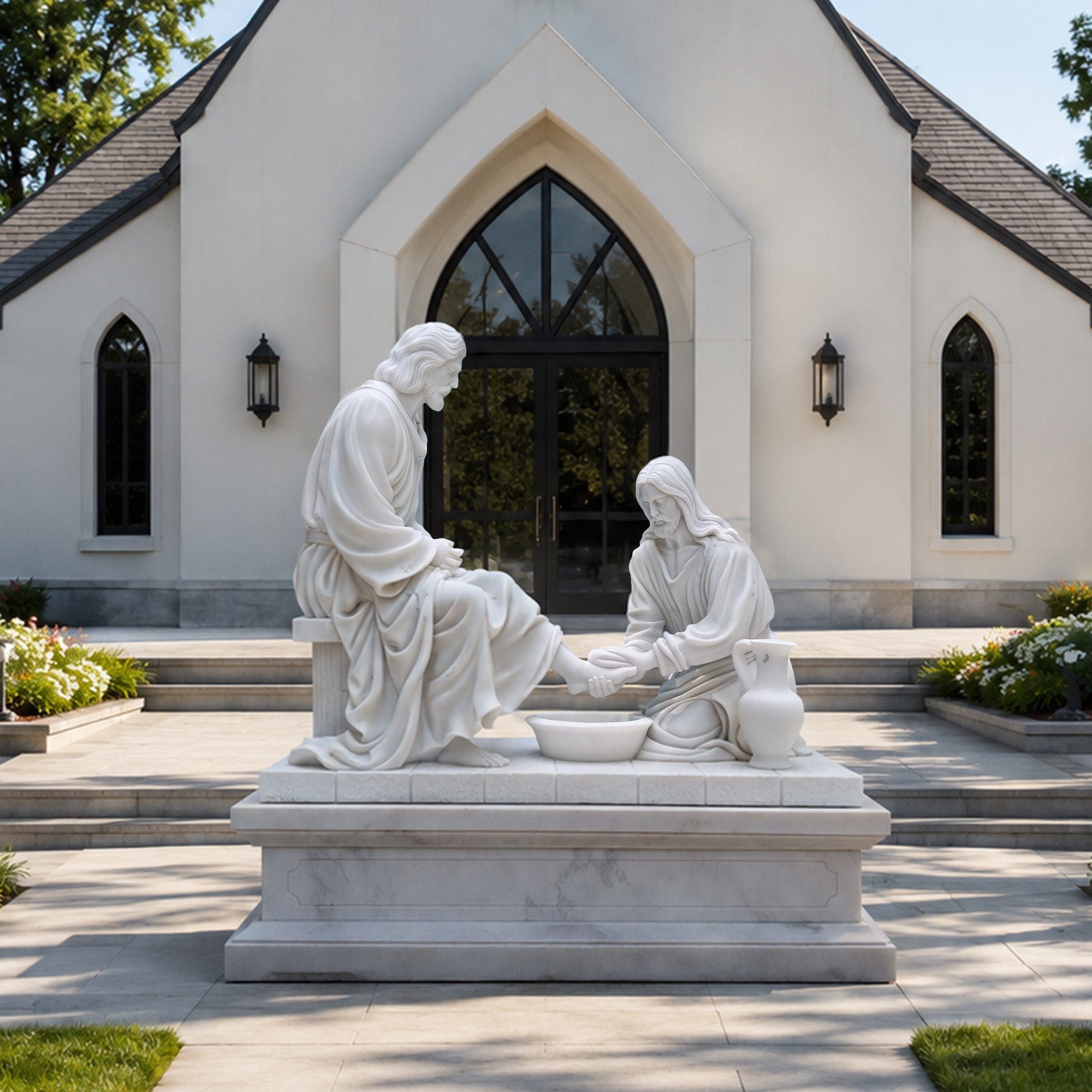
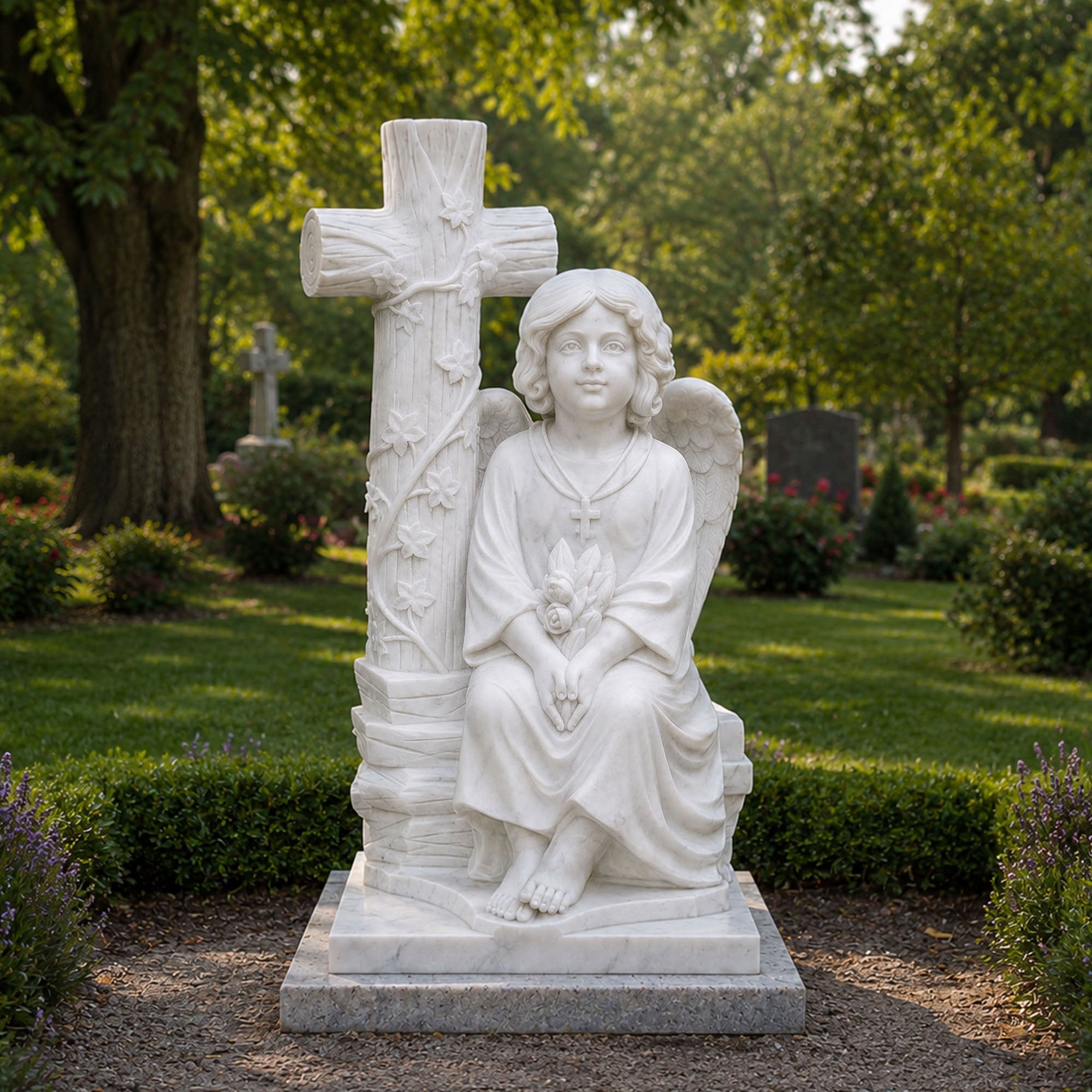
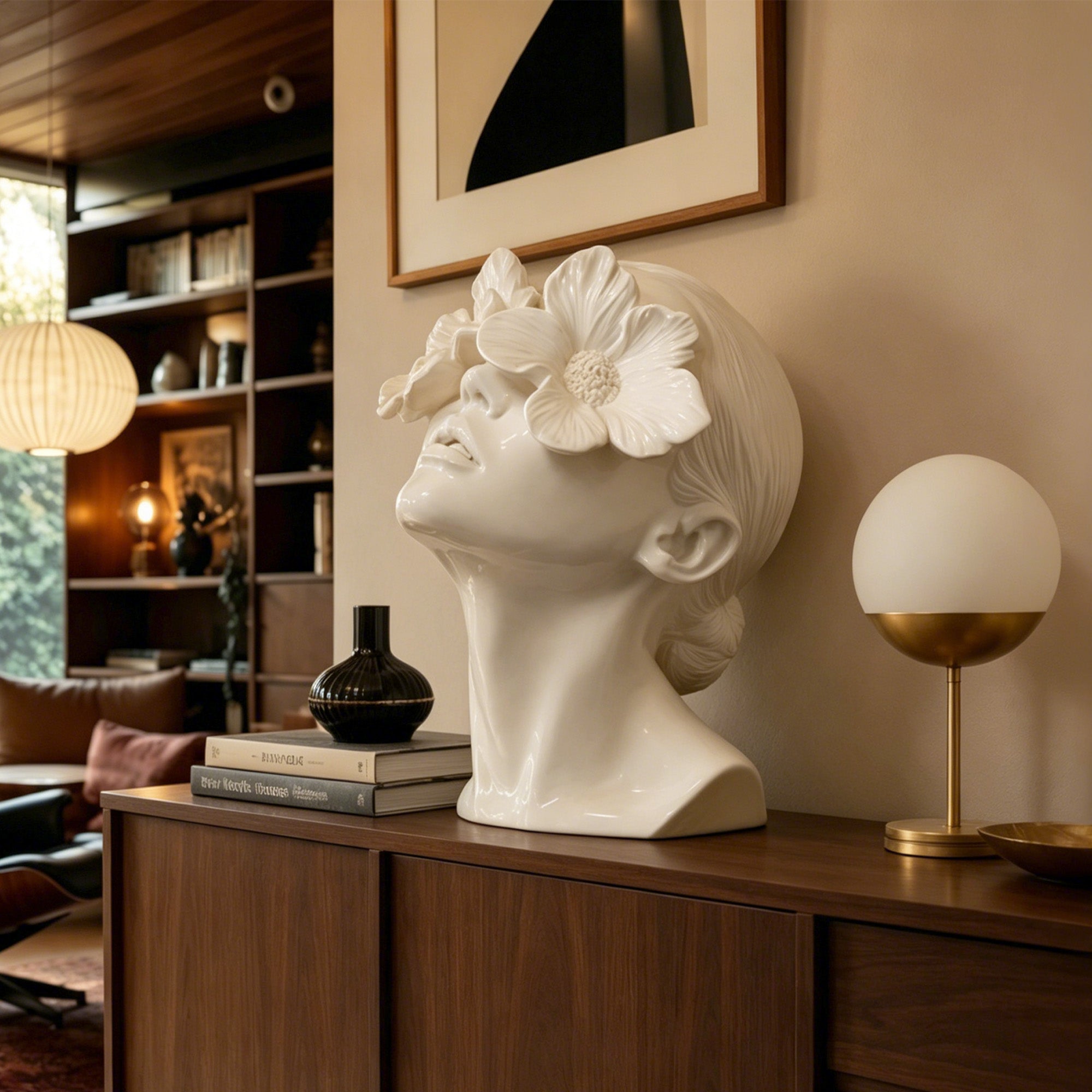
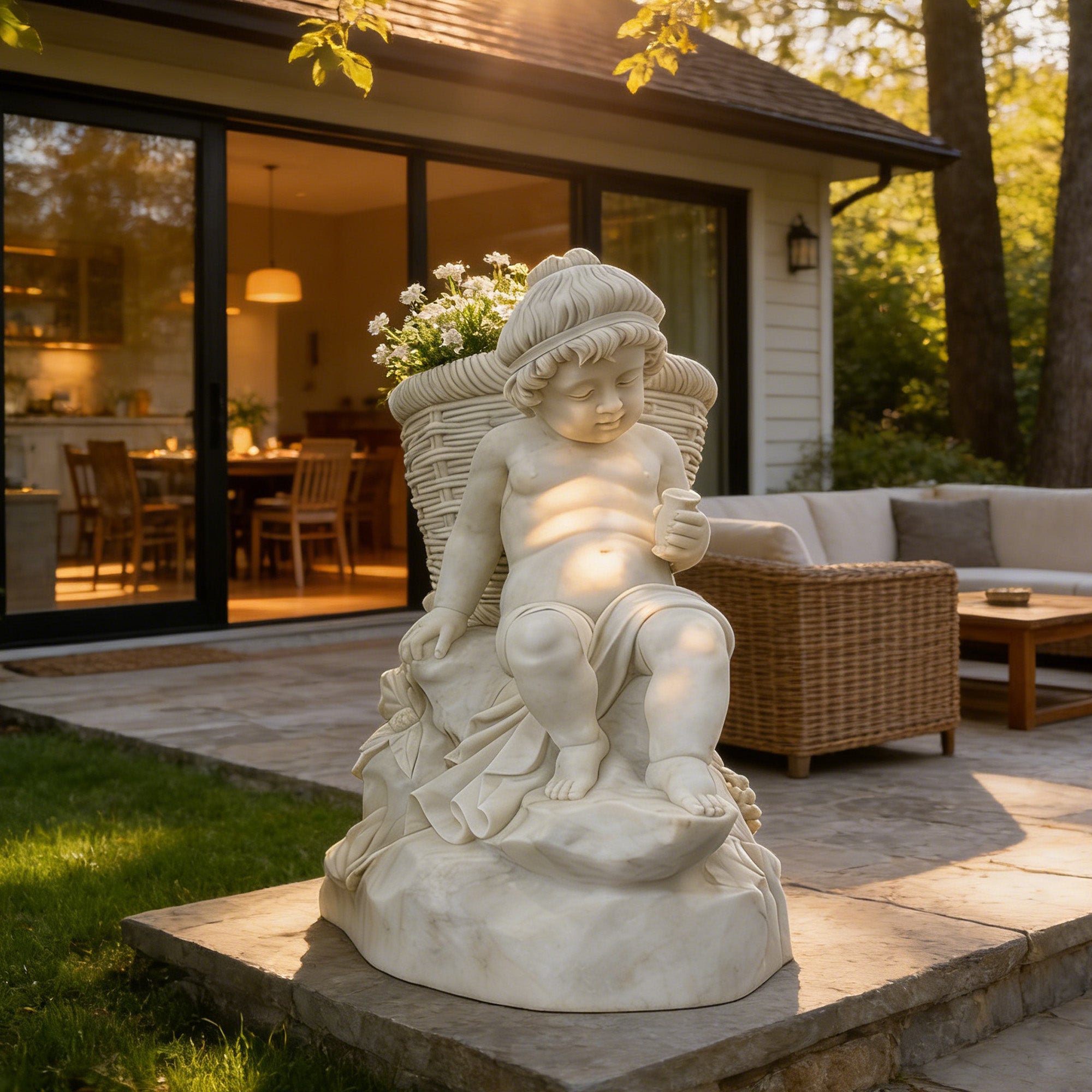
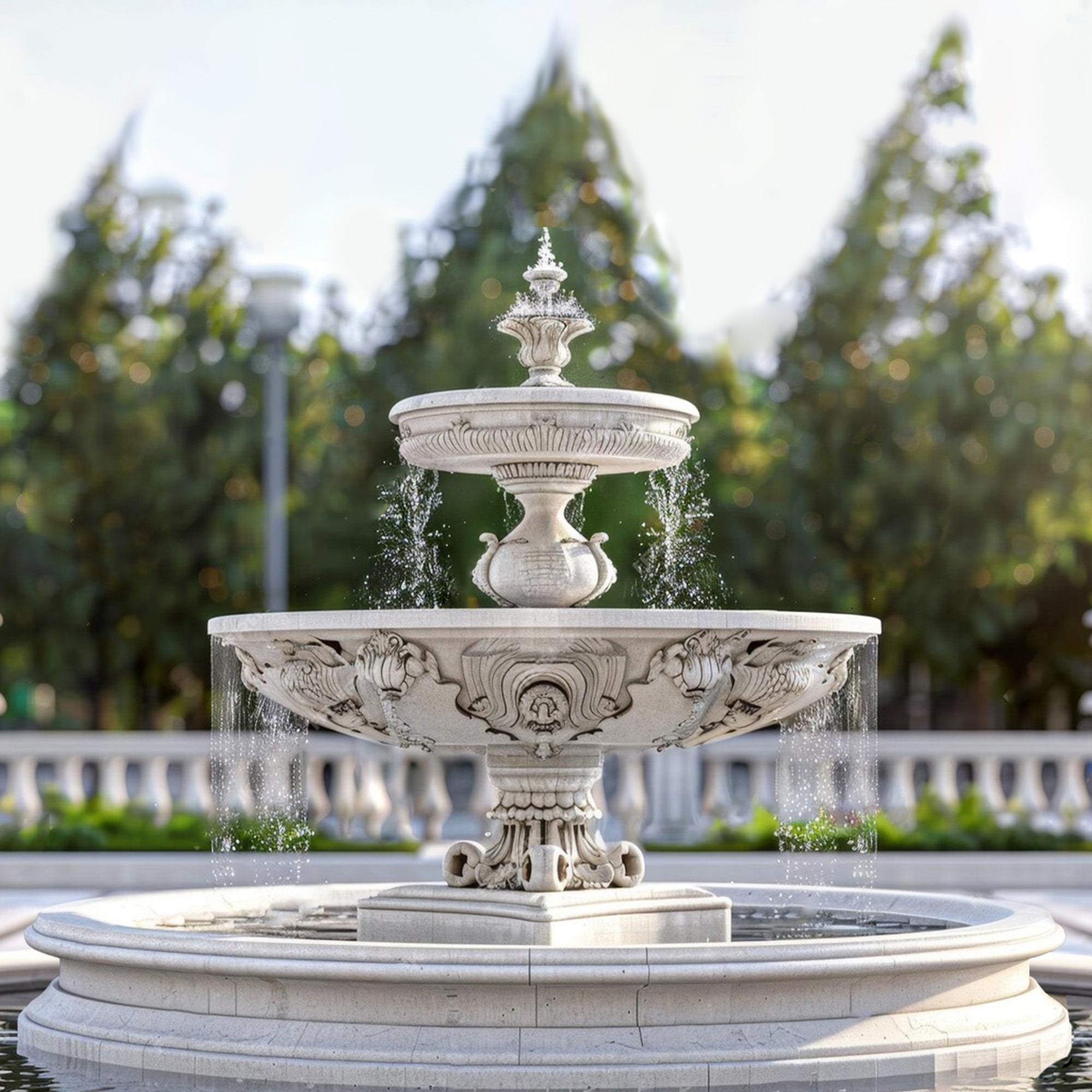
Marble offers unmatched elegance and a substantial presence. From classical fountains to contemporary minimalist forms, marble sculptures convey a sense of solidity and eternity.
Key Advantages:
-
Classic beauty—marble brings a refined, luxurious feel that is difficult to replicate
-
Substantial presence—the weight and texture of marble give it an undeniable gravity
-
Timeless appeal—marble sculptures have been treasured for millennia and continue to command respect
What to Consider:
-
Weathering—marble is prone to weathering over time, especially with prolonged exposure to moisture
-
Freeze-thaw risk—in colder climates, water can seep into the stone, freeze, and cause cracking
-
Maintenance—regular sealing is required to protect against moisture and stains. Specific finishes and stable installation are key for poolside use.
-
Placement—best suited for semi-indoor or sheltered pool areas where maintenance is easier
Best For: Classic or Mediterranean-style villas, high-end hotels, and spaces seeking a refined, luxurious statement.

Design Themes for Your Poolside Oasis
Once the practical foundation is set, the real fun begins: defining the character of your space. Your poolside theme can guide your sculpture choice, creating a cohesive narrative.
The Aquatic & Figurative
Direct and delightful. Think of elegant dolphins arcing in mid-leap, sea turtles looking perfectly at home, or mythical mermaids in repose. A bronze or fiberglass frog on a stepping stone adds whimsy. These animal sculptures and figurative sculptures create instant recognition and charm, serving as delightful garden focal points for any outdoor environment.
The Abstract & Fluid
Evokes the essence of water itself. Sweeping, curving forms in polished stainless steel can mirror the flow of waves and reflections. Organic, carved shapes in stone suggest smoothed river rocks. This theme is about emotion, movement, and light-play, offering a sophisticated, gallery-like feel. Abstract sculptures and modern sculpture pieces work beautifully in this context.
The Natural & Botanical
Blurs the line between art and landscape. Imagine a large-scale abstract leaf in bronze with a rich patina, a cluster of stone seed pods, or a graceful glass frond that catches the light. It complements your garden and enhances a serene, organic vibe, making it a perfect choice for nature-inspired landscape design.
The Modern & Geometric
For a crisp, contemporary look. Clean lines, bold angles, and minimalist forms create a sculptural statement that feels architectural. Geometric stainless steel sculptures, in particular, work beautifully with modern pool designs, offering a sleek artistic statement that defines the space.

Placement and Safety
Where you place your sculpture is just as important as what it is made of.
Scale and Proportion
Sculptures should be sized to complement the space without overpowering it. A large garden statue that is approximately 60 to 78 inches tall can be a striking garden focal point without disrupting the view of the pool. In small or intimate pool areas, large outdoor sculptures can overwhelm the space.
Splash Zones
Consider distance from the pool edge. Closer pieces are exposed to more chlorinated spray and may need more frequent rinsing. Prevailing wind direction also matters—which side of the piece will get the most spray?
Avoiding Water Traps
Good design can dramatically reduce corrosion risk. Avoid horizontal ledges where puddles can form. Ensure fixings are enclosed or drained so moisture does not sit in hidden cavities.
Safety First
Never place sculptures where they obstruct walkways or interfere with poolside activities. Ensure the sculpture is securely anchored to prevent tipping, especially in areas with children or high foot traffic.

A poolside sculpture is more than decoration. It is the finishing touch that turns a backyard into a curated retreat. It reflects your taste, anchors your landscape, and creates a memorable experience for everyone who visits.
The key to success is choosing the right material for your environment. Stainless steel offers low-maintenance modernity. Bronze brings timeless artistry. Fiberglass enables bold, colorful forms. Marble delivers classic elegance.
Each material has its strengths. Each suits a different style and level of commitment. The right choice is the one that honestly aligns with your environment, your design vision, and your willingness to perform ongoing care.
By understanding the distinct realities of poolside placement, you ensure that your sculpture remains a legacy of beauty—perfectly suited to the water's edge.
Explore our collection of custom sculptures—available in stainless steel, bronze, fiberglass, and marble—and find the piece that belongs by your pool.