
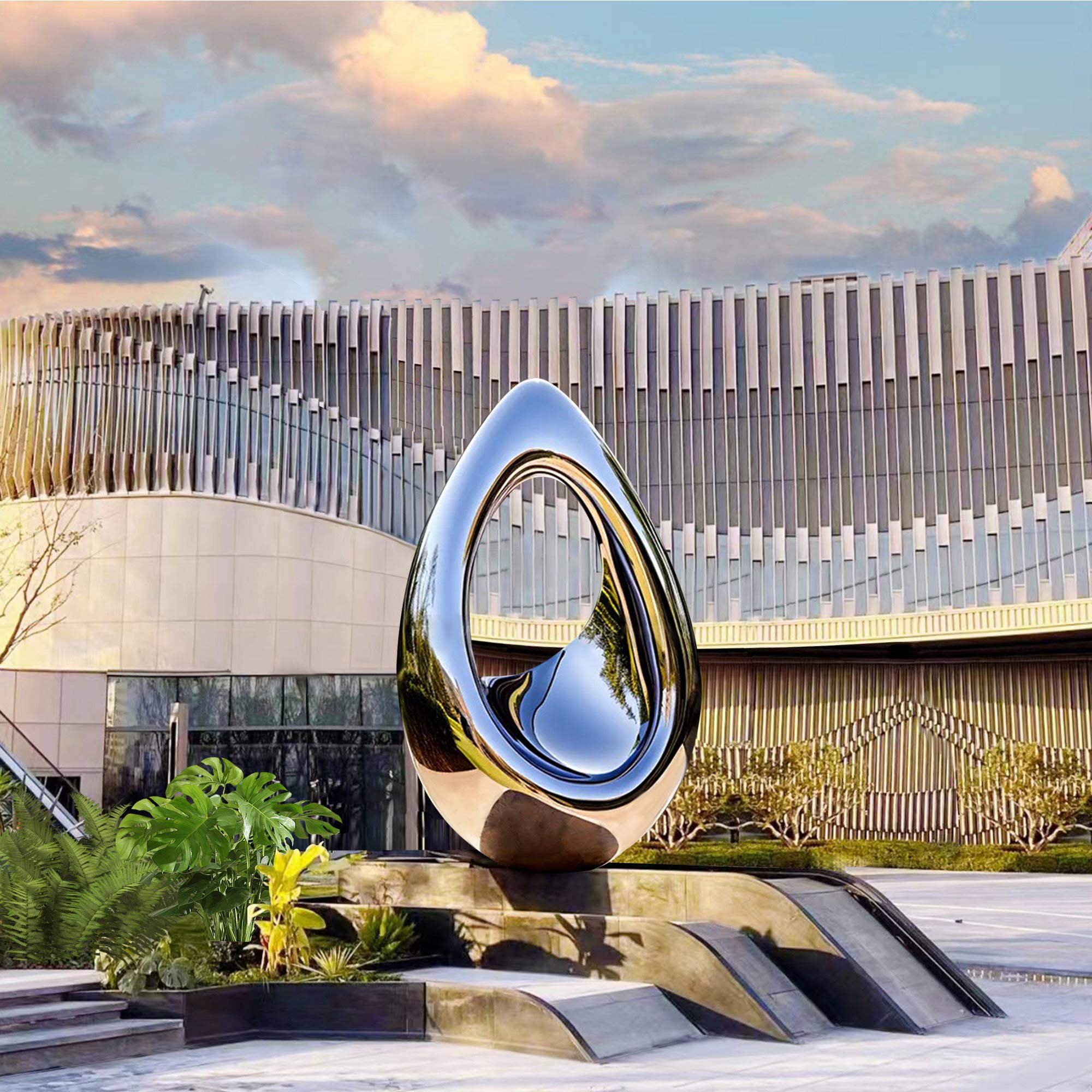
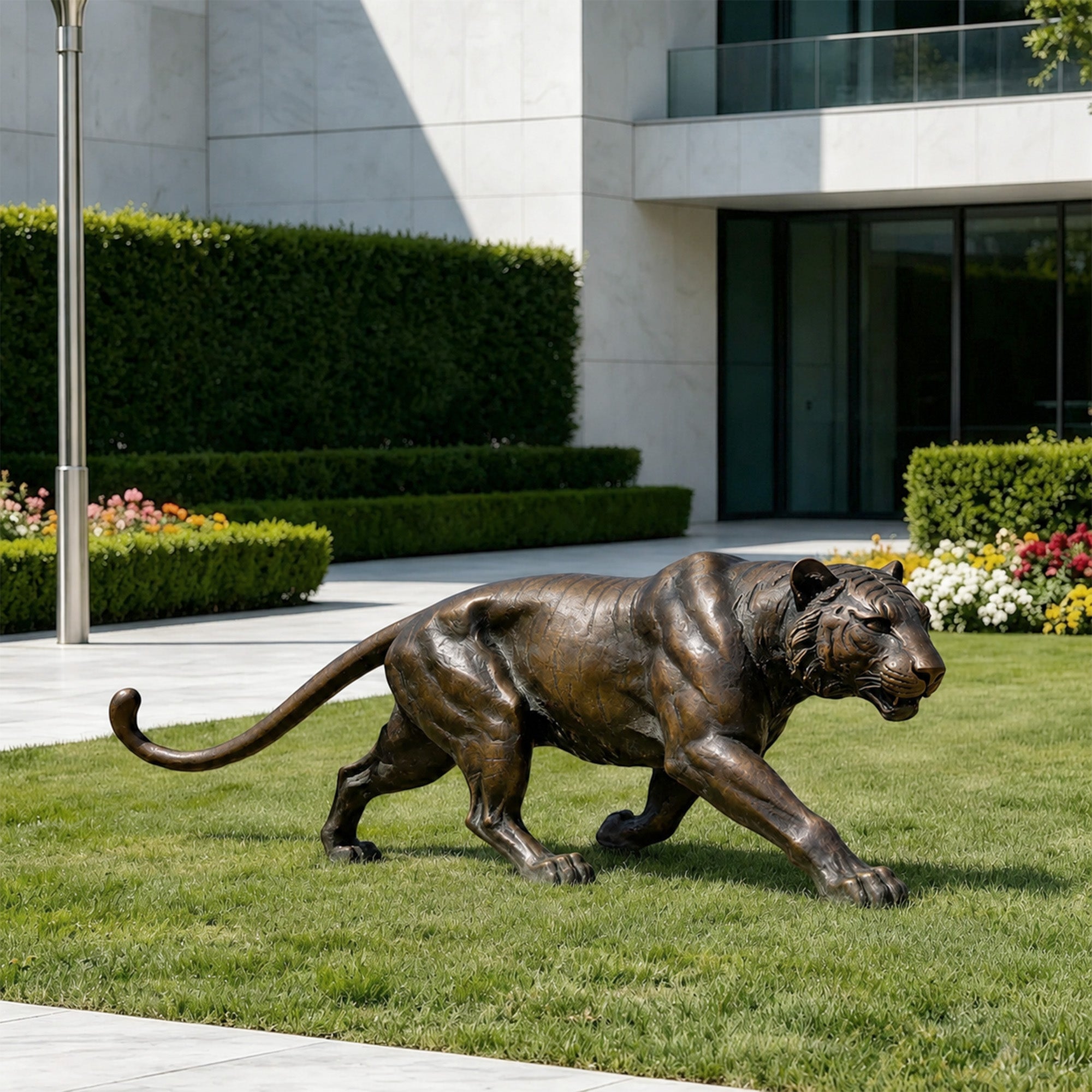
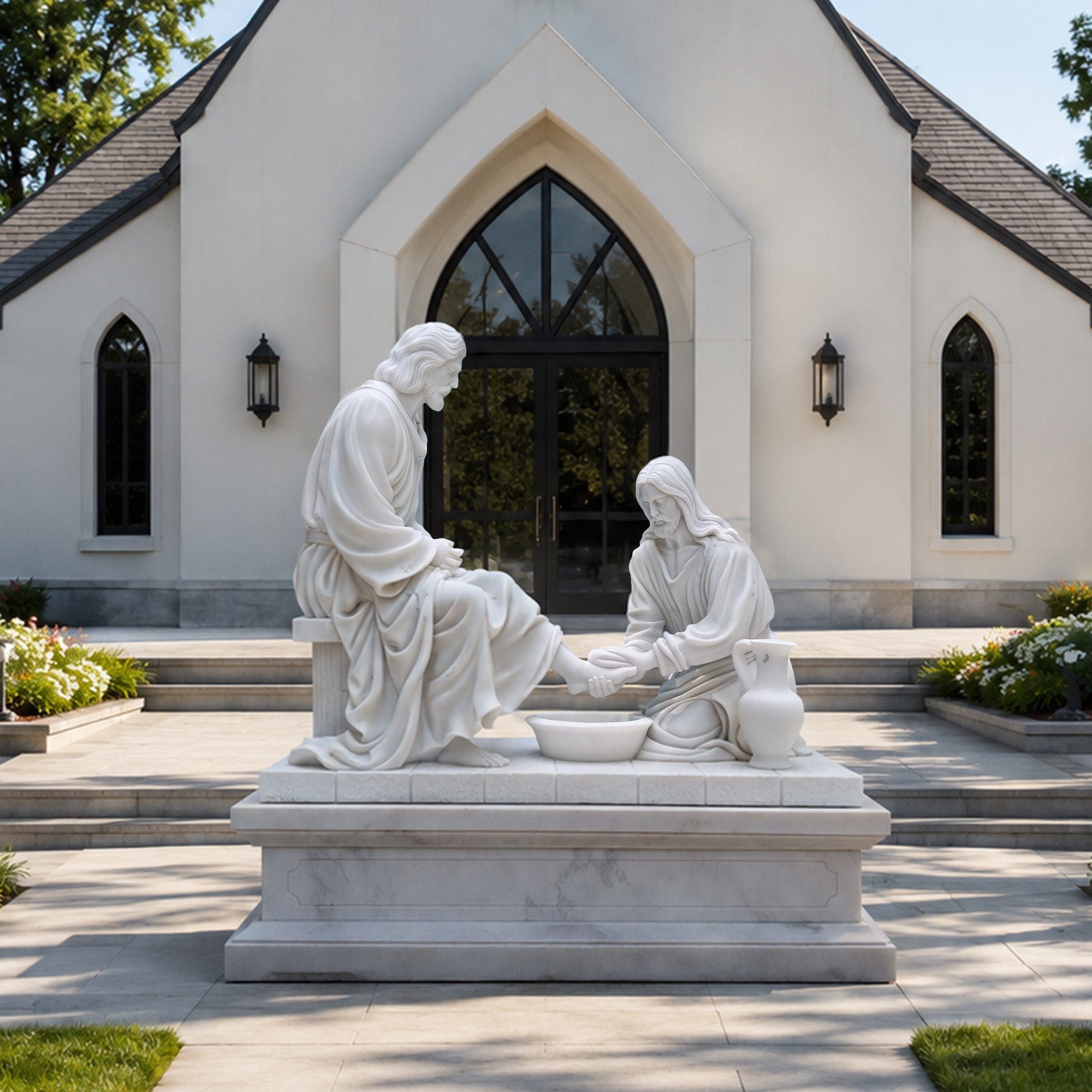
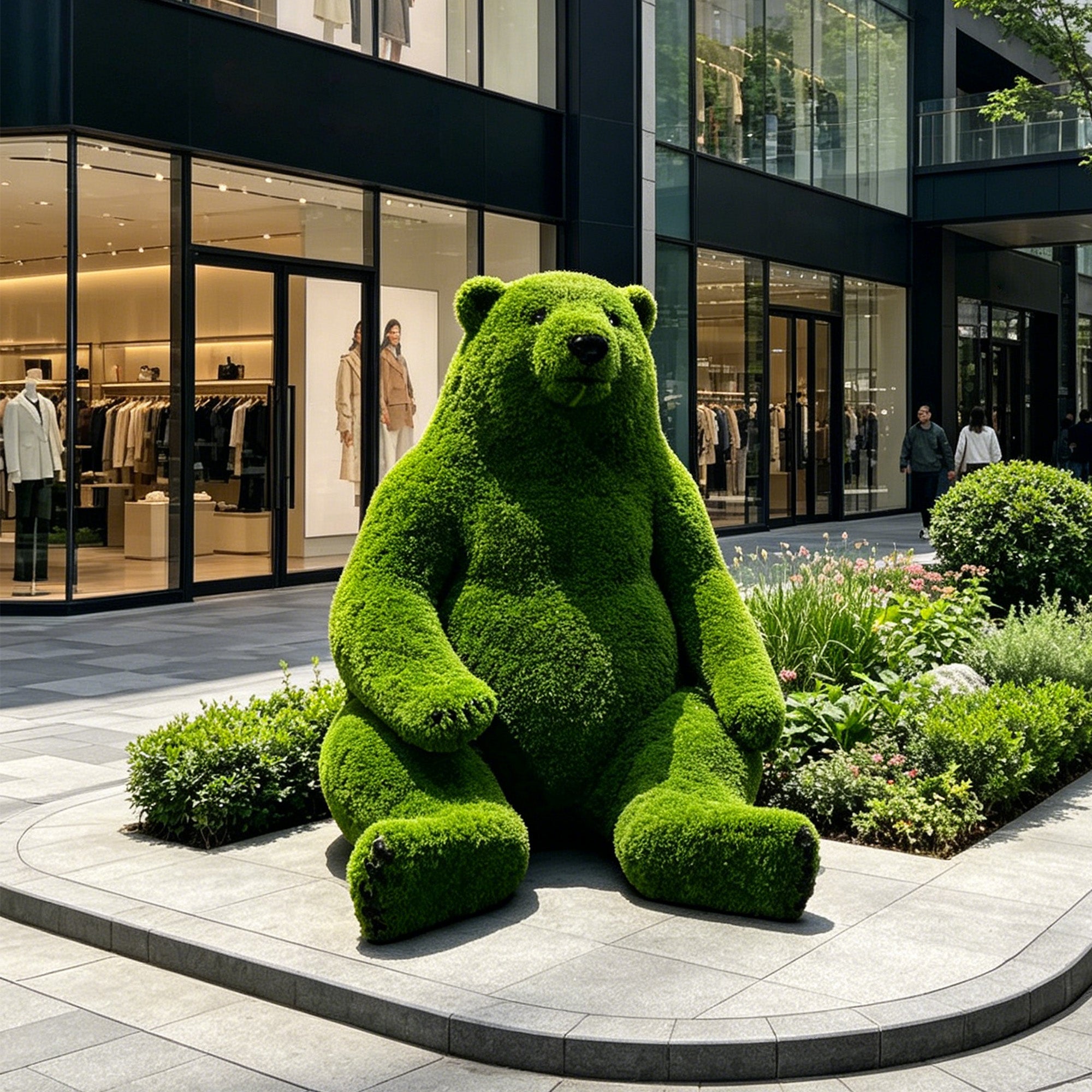
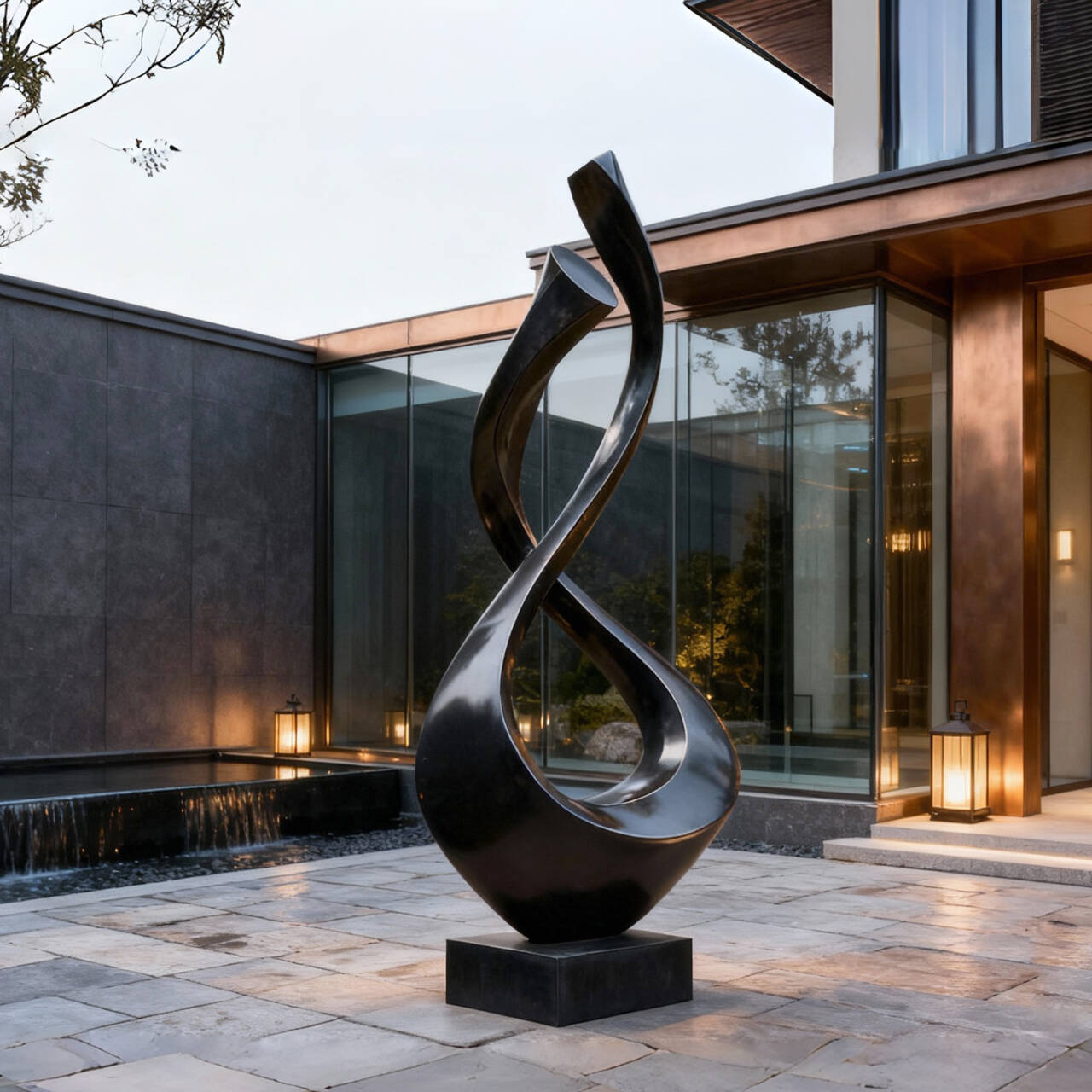
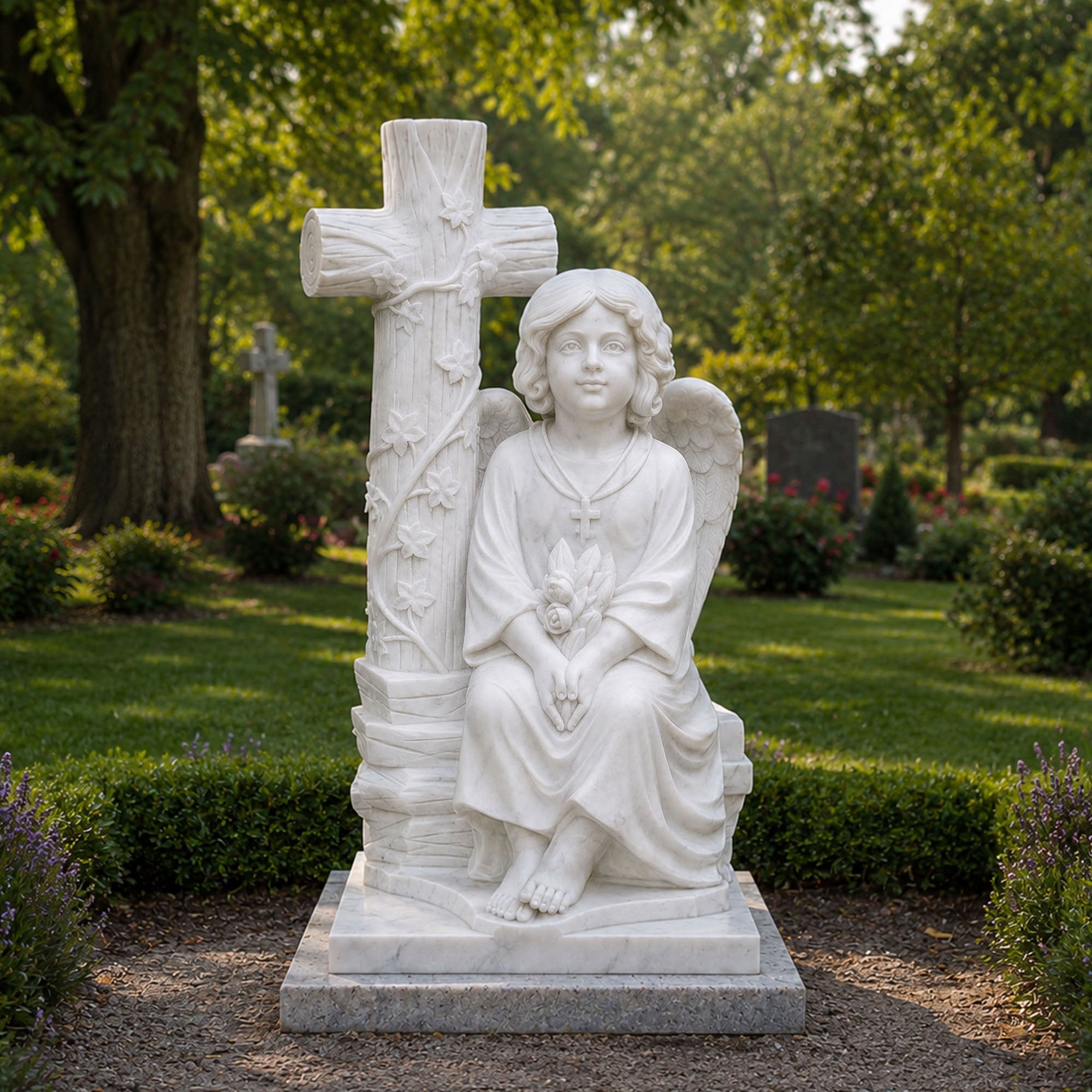
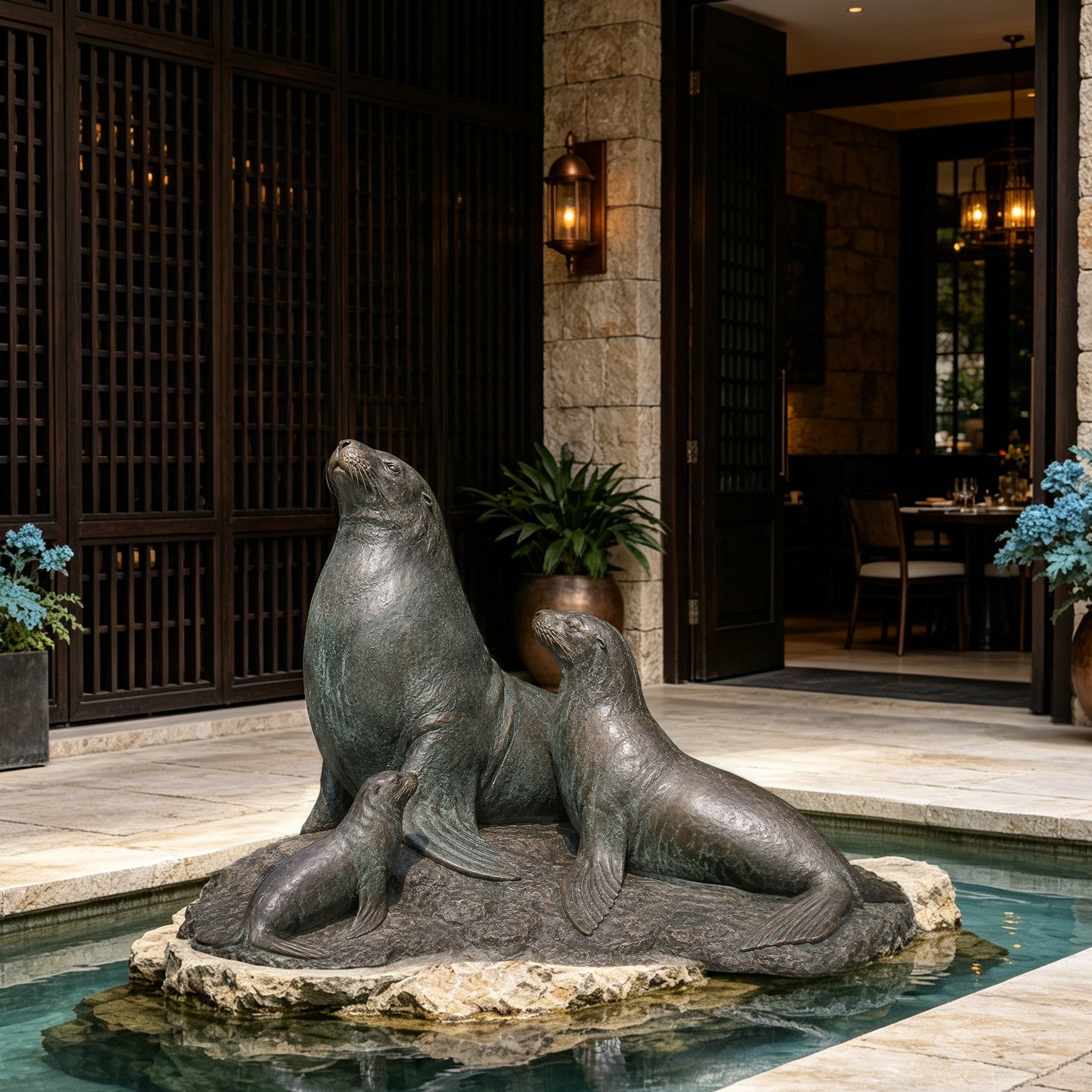
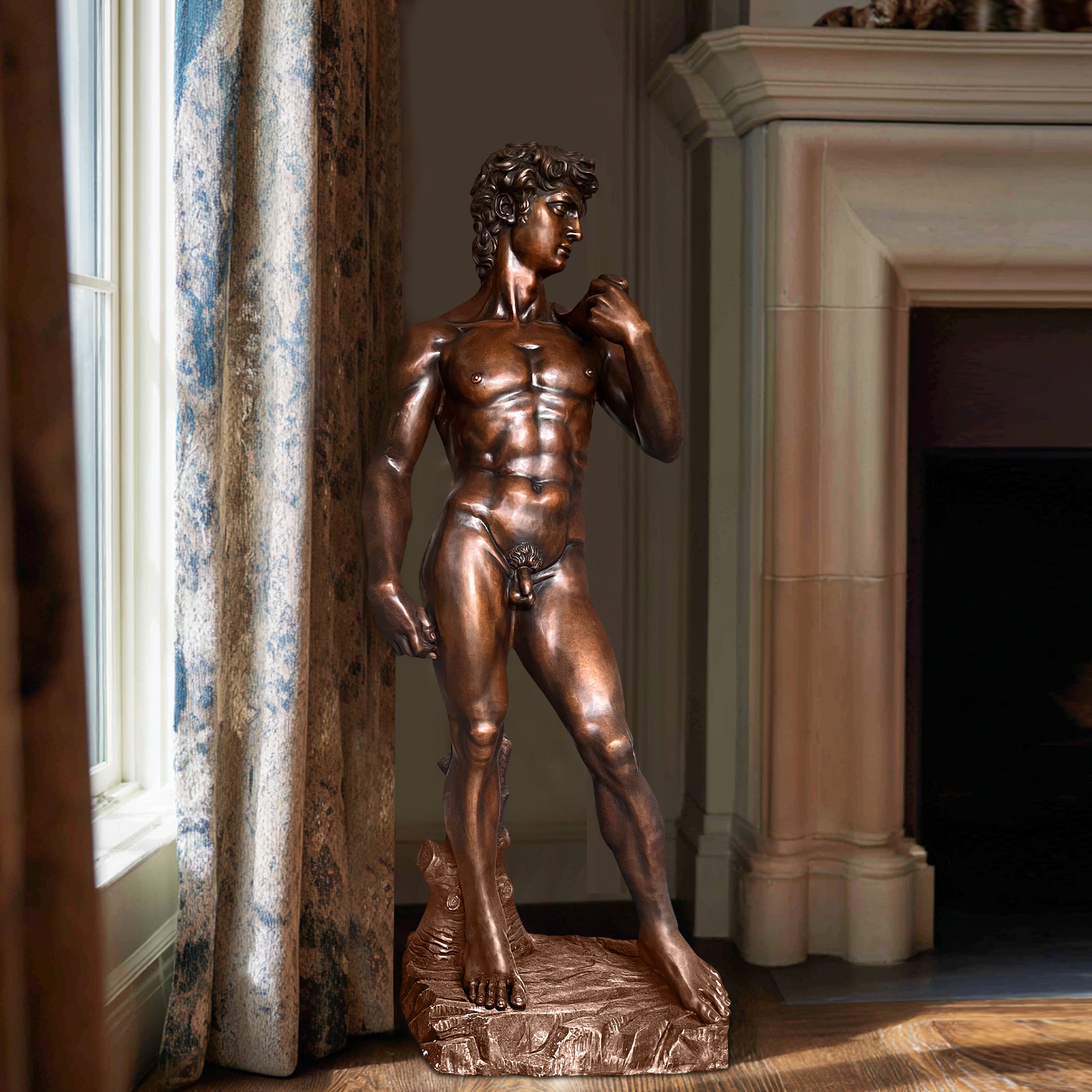



Modern sculpture is no longer shaped by tradition or technology alone. Today, the most successful sculpture projects are created at the intersection of digital precision and handcrafted expertise. This blog explains how 3D printing has become a foundational tool in contemporary sculpture production, how it integrates with traditional sculpting processes, and why this hybrid workflow has become the new standard for custom sculpture manufacturing in global markets.

Sculpture Creation Is No Longer a Linear Process
In the past, sculpture production typically began with hand-built clay models or direct carving. While this approach remains valuable, it often introduced limitations in scale accuracy, repeatability, and project efficiency. As custom sculpture demand has grown across architecture, hospitality, public art, and commercial spaces, the industry has had to evolve.
3D modeling and 3D printing have reshaped the early stages of sculpture creation. Instead of replacing traditional craftsmanship, they provide a precise structural foundation that allows sculptors to work with greater control and confidence throughout the production process.
For professional sculpture factories, this shift is not experimental. It has become a practical response to higher client expectations, tighter timelines, and the need for consistent quality across complex projects.

Why 3D Printing Is Now Central to Custom Sculpture Projects
In real production environments, 3D printing is primarily used to create physical models rather than finished artworks. These models serve as the bridge between digital design and manual sculpting.
Using 3D printed prototypes allows sculpture factories to:
• Translate digital designs into accurate physical references
• Verify proportions and structural feasibility before fabrication
• Reduce revisions during later production stages
• Align designers, sculptors, and clients around the same visual standard
This is especially important for large-scale sculptures, figurative works, and projects where symmetry and dimensional precision are critical.

From Digital Design to Finished Sculpture
At Finest Sculpture, nearly all custom sculpture projects begin with a 3D model. This model is either created from client-provided drawings or developed in collaboration with designers. Once finalized, it is 3D printed at an appropriate scale.
However, the printed model is never considered a final result. It is carefully refined by professional sculptors who adjust form, surface transitions, and artistic details by hand. Only after this refinement process is complete do we proceed to mold making and final fabrication.
This workflow ensures that every sculpture is built on a technically accurate structure while still carrying the depth and character of traditional sculpting.
The standard process are summarized as below:
- Digital modeling based on client drawings or references
- 3D printing of a scaled or full-size prototype
- Manual refinement of the printed model by professional sculptors
- Mold making based on the approved prototype
- Final fabrication using selected materials
This workflow ensures that every sculpture begins with a precise foundation while still benefiting from traditional sculpting techniques during the final stages.

The Enduring Role of Traditional Sculpture Skills
Despite the growing role of digital tools, traditional sculpting skills remain the core of high-quality sculpture production. A 3D printer can reproduce geometry, but it cannot interpret emotion, balance visual weight, or refine subtle transitions that define artistic quality.
Experienced sculptors play a critical role in:
• Enhancing surface rhythm and visual flow
• Adjusting proportions for real-world viewing distances
• Strengthening structural areas that digital models may overlook
• Refining details that depend on material behavior
For example, sculptures intended for outdoor installation must account for gravity, wind load, and long-term material performance. These considerations require hands-on experience that no software can replace.
In professional factories, technology supports the sculptor. It does not replace the sculptor.
Quality Control and Client Communication in Modern Sculpture Production
One of the most practical advantages of 3D printed models is improved communication. A physical prototype allows clients to clearly understand scale, form, and spatial presence before irreversible production begins.
This stage significantly reduces common risks such as misinterpreted drawings, unexpected proportions, or last-minute design changes. Clients can request adjustments while modifications are still efficient and cost-controlled.
From a factory perspective, this approach improves internal quality control. Sculptors, technicians, and production managers all work from the same approved reference, reducing inconsistencies during mold making and final fabrication.
In international projects, where clients may not visit the factory in person, this clarity is essential.

Technology Is a Tool, Not a Shortcut
It is important to understand that 3D printing does not simplify sculpture into a fully automated process. High-quality sculpture production still requires skilled labor, material knowledge, and disciplined workflows.
Factories that rely solely on digital output often produce work that lacks refinement and durability. True quality comes from understanding when to rely on technology and when to rely on experience.
3D printing provides accuracy and efficiency. Traditional sculpture provides artistic judgment and craftsmanship. Only when both are applied correctly can a sculpture meet professional standards.
Commercial and Architectural Applications
This hybrid production approach is now widely used across commercial and public sectors, including:
- Public art installations
- Hotel and real estate developments
- Corporate branding sculptures
- Landscape and garden features
- Exhibition and museum displays
For clients sourcing sculptures through global supply chains and eCommerce platforms, this method offers reliability, transparency, and predictable outcomes.

A Practical Direction for the Future of Sculpture
The future of sculpture production lies in integration, not replacement. Digital tools will continue to evolve, but the fundamentals of sculpture remain unchanged. Form, proportion, material behavior, and craftsmanship still define quality.
For buyers, designers, and developers, selecting a sculpture supplier means choosing a factory that understands this balance. The most successful projects are produced by teams that treat technology as a foundation and craftsmanship as the defining factor.
At Finest Sculpture, we build every custom sculpture on this principle. By combining 3D printed models with traditional sculpting and fabrication techniques, we deliver sculptures that meet modern production standards while preserving the integrity of handmade art.

