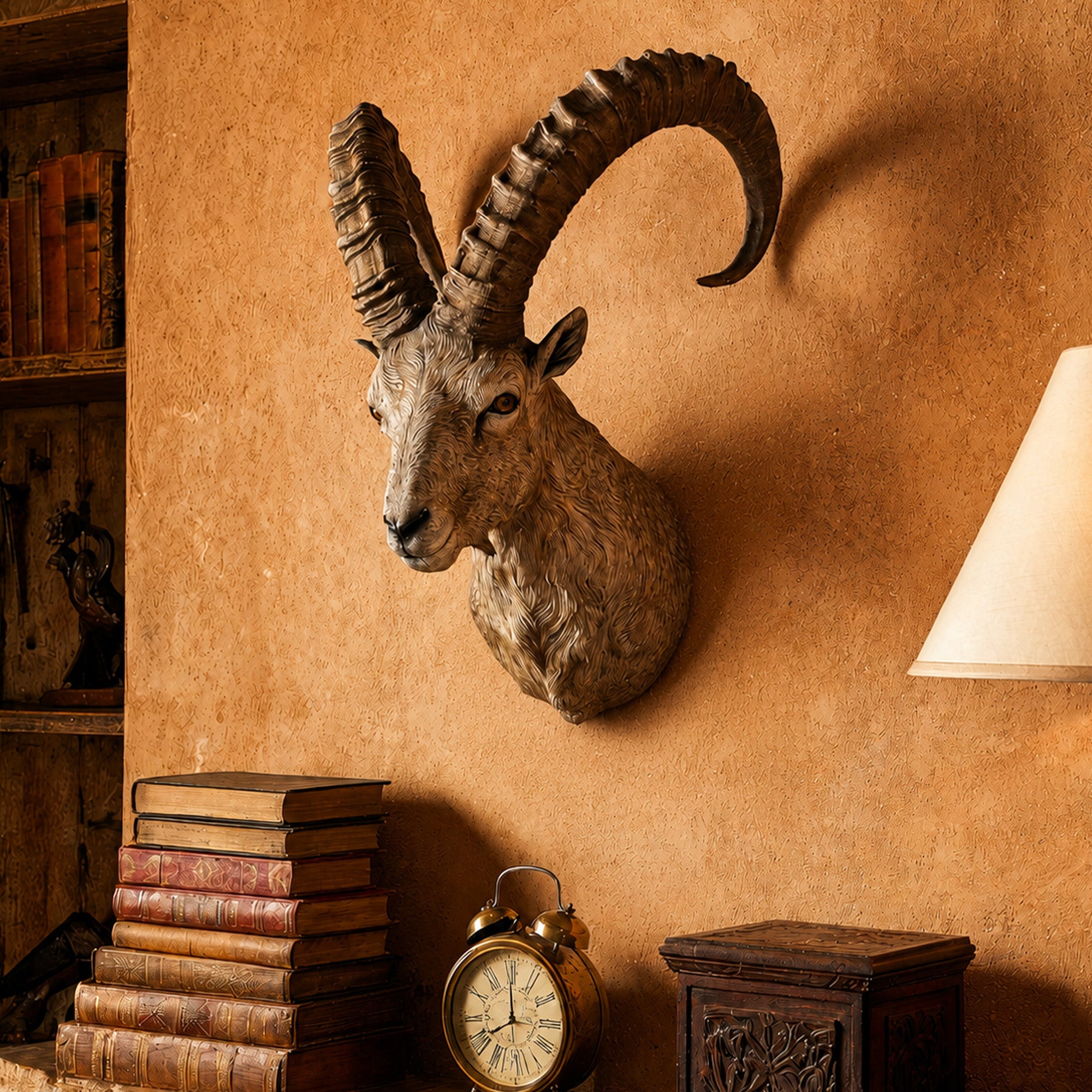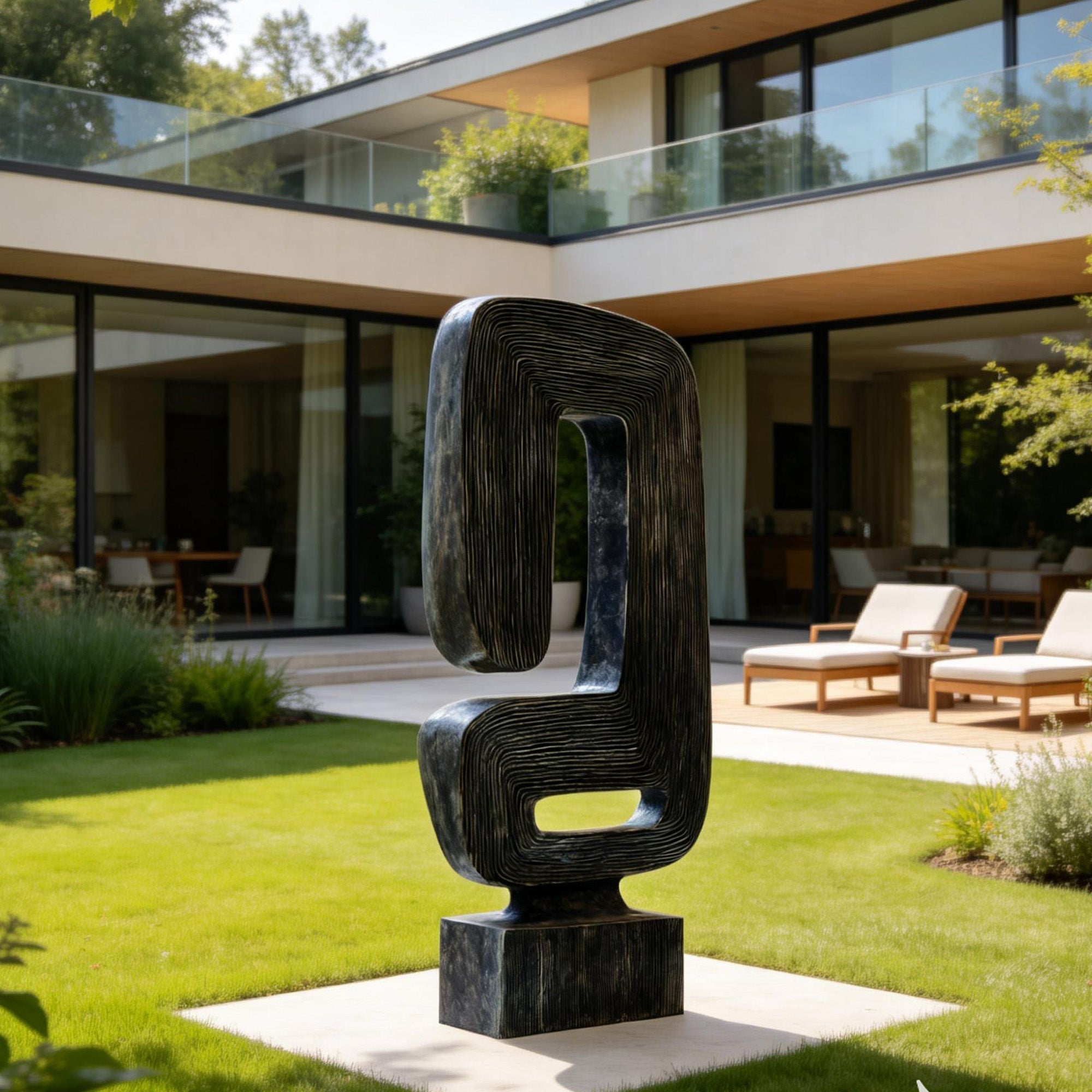
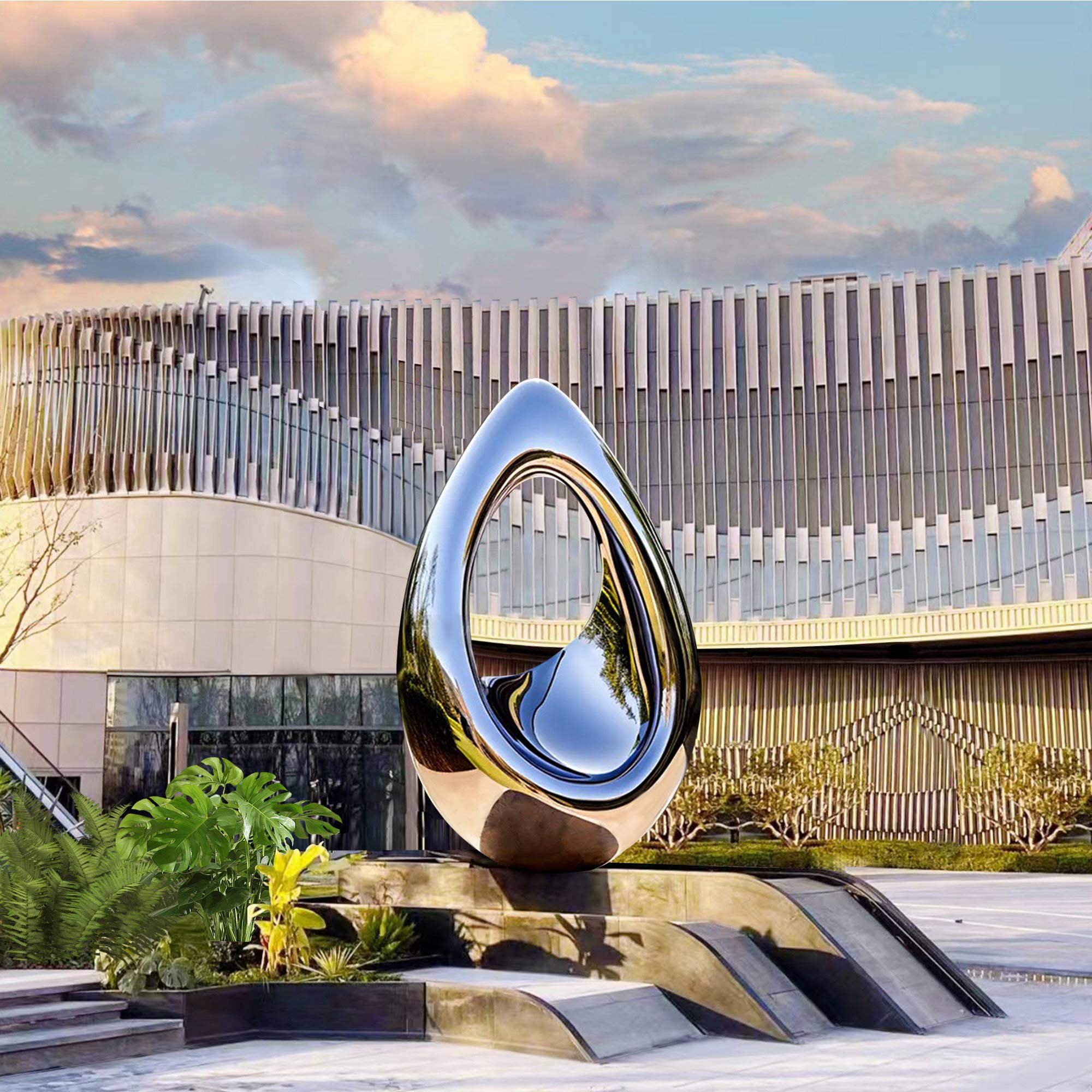
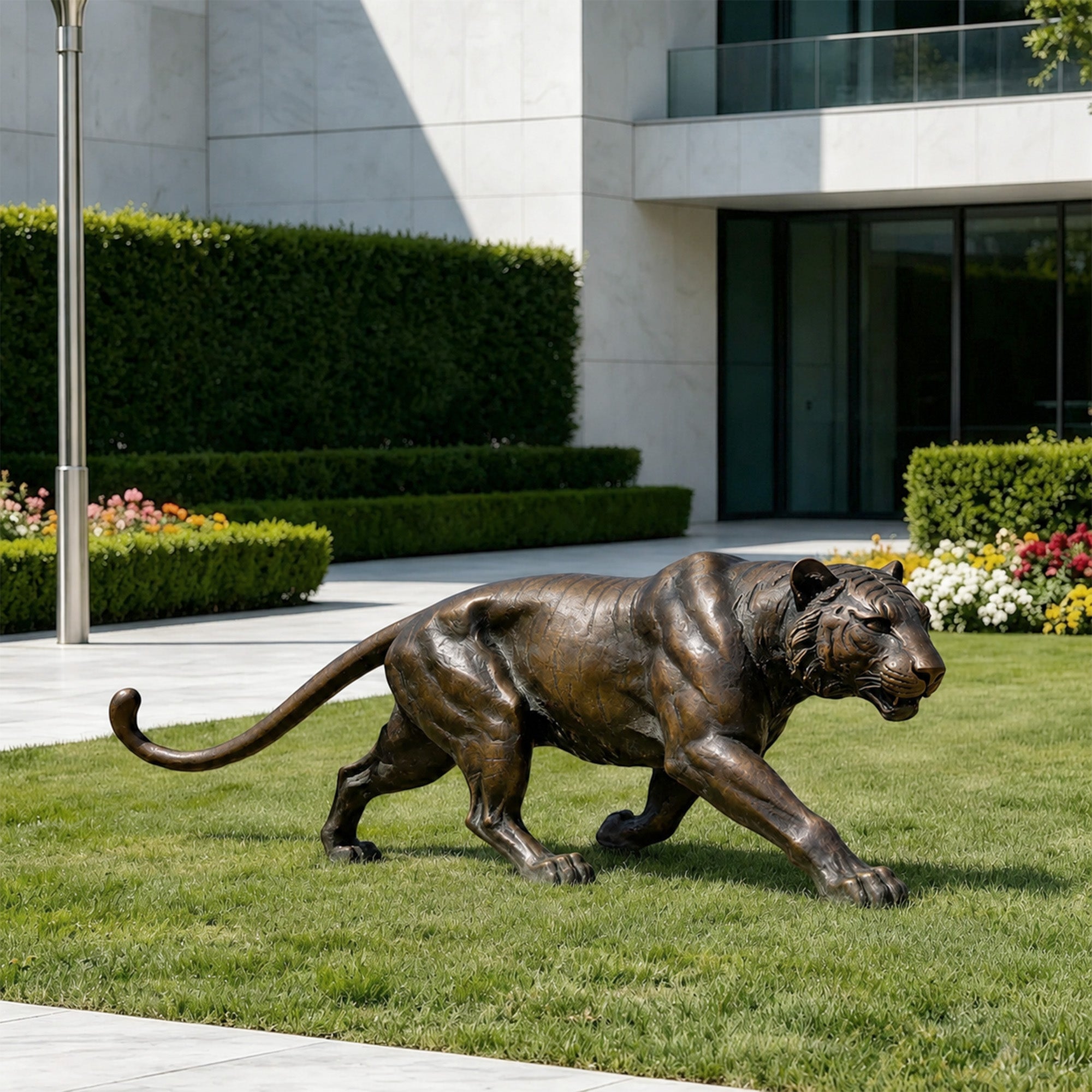
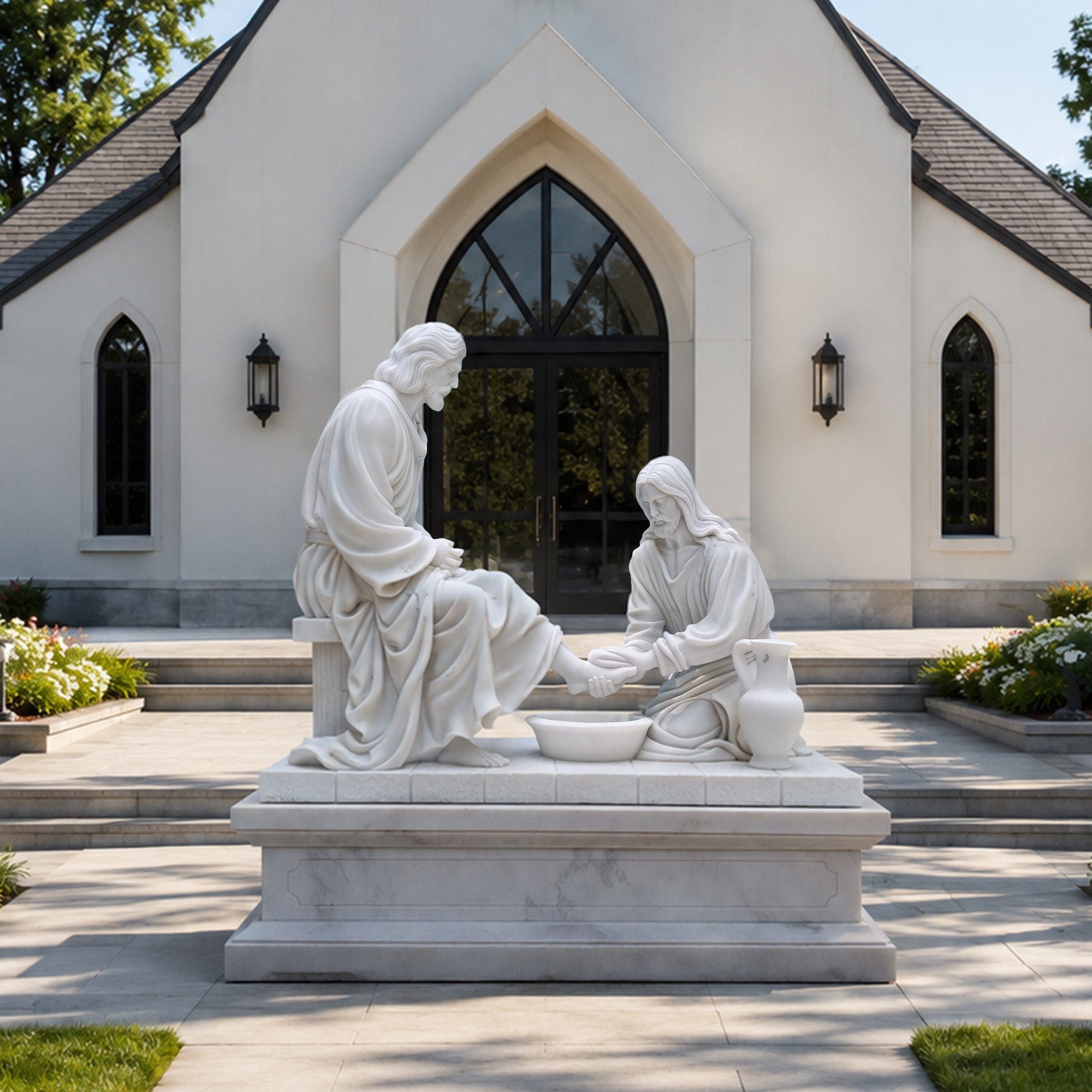
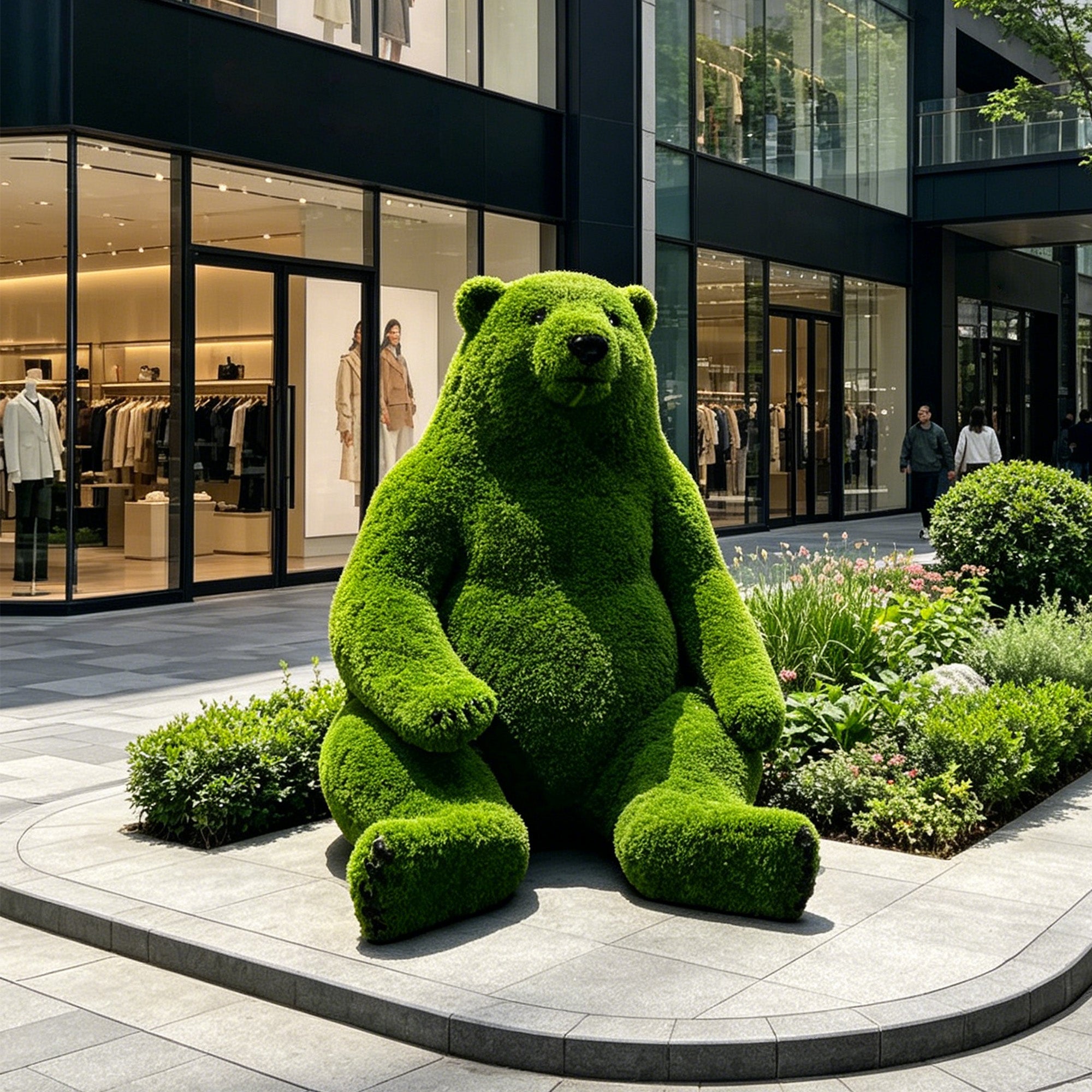
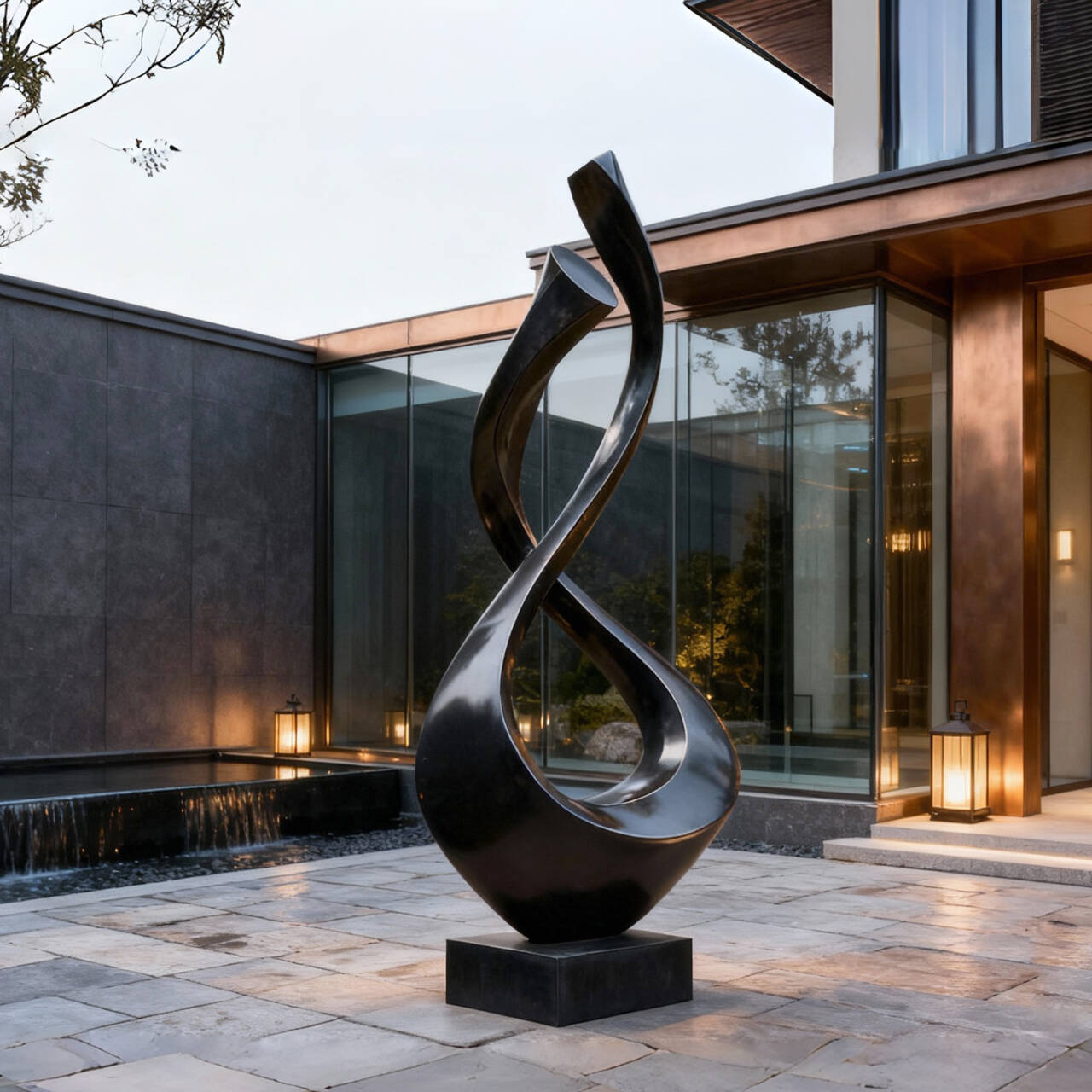

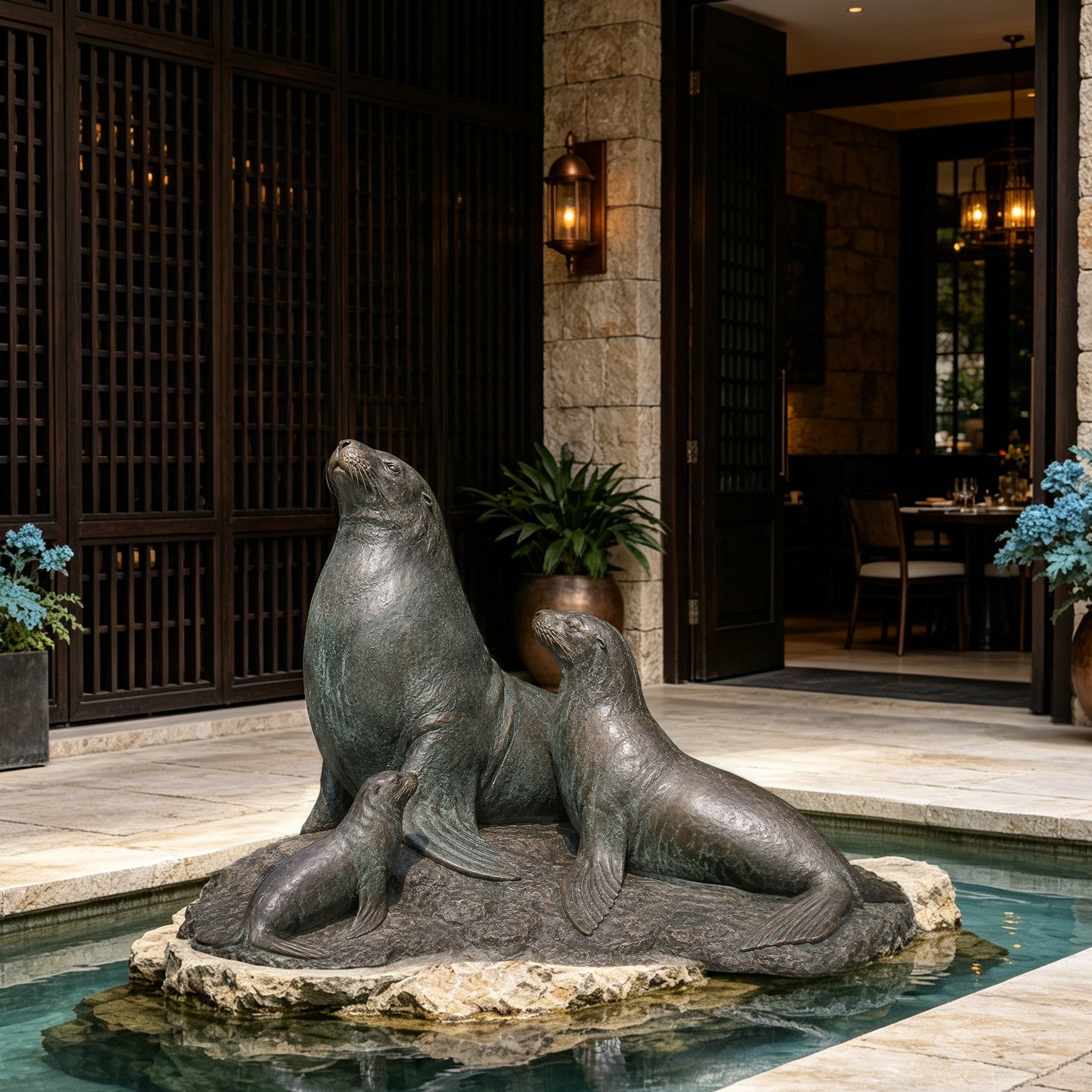
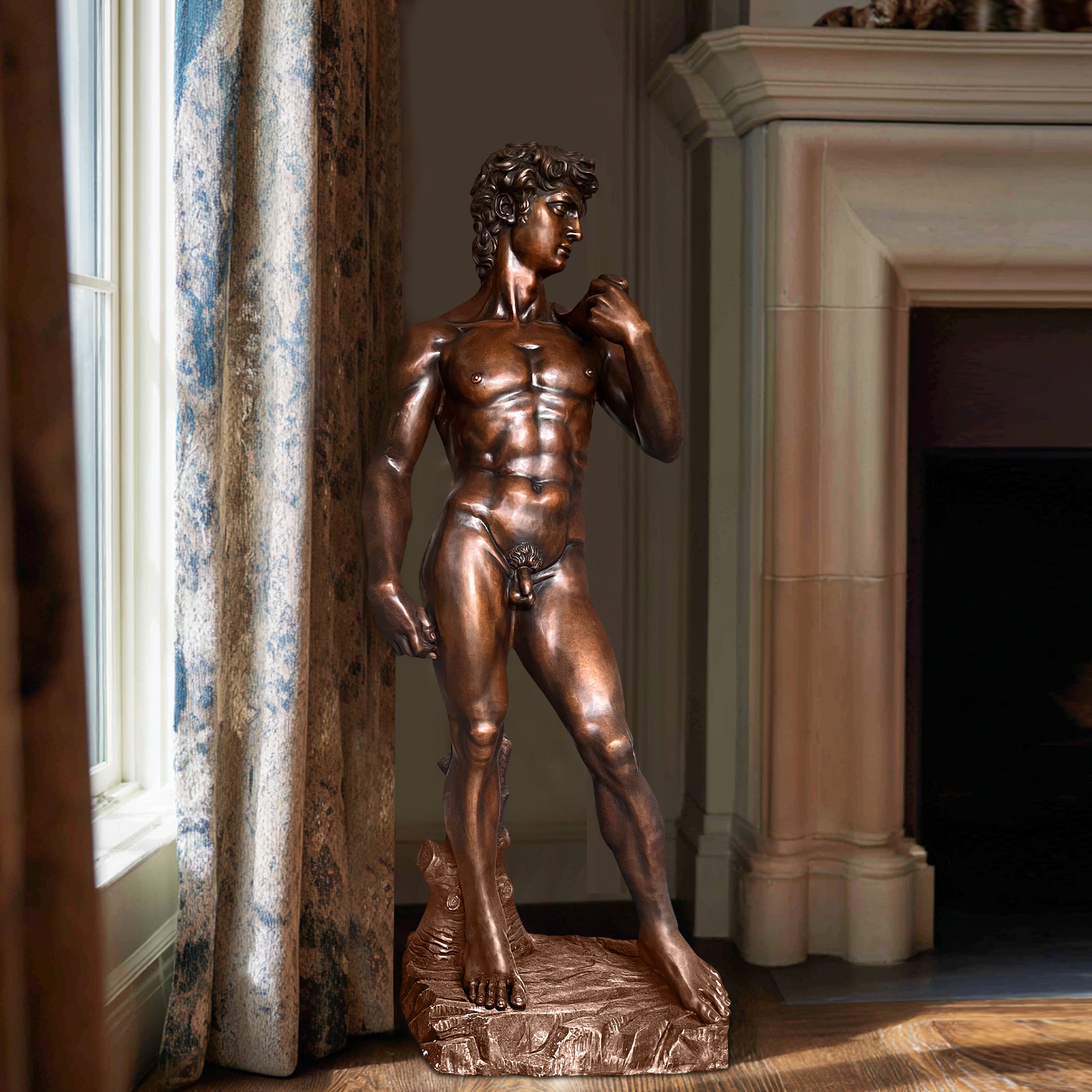
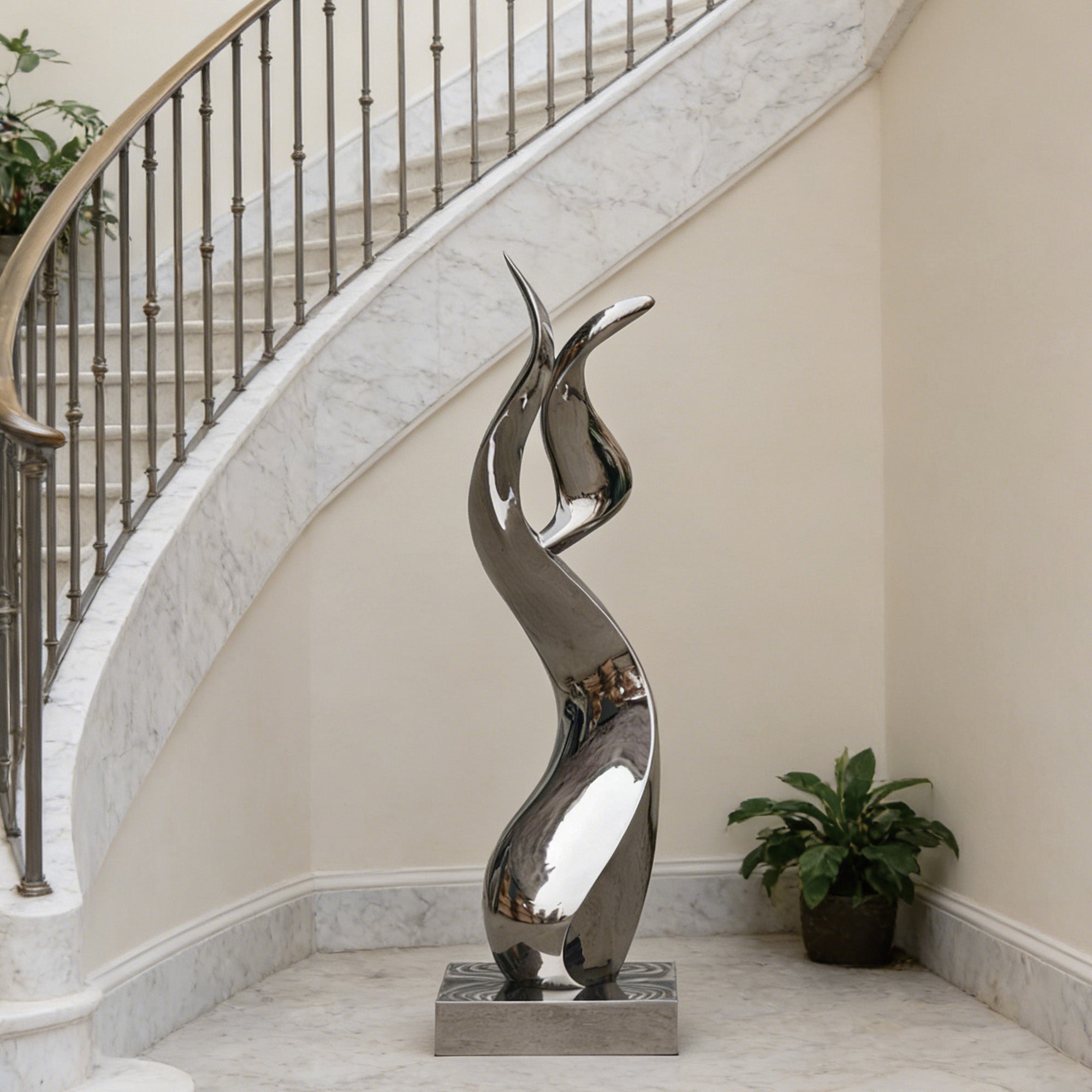

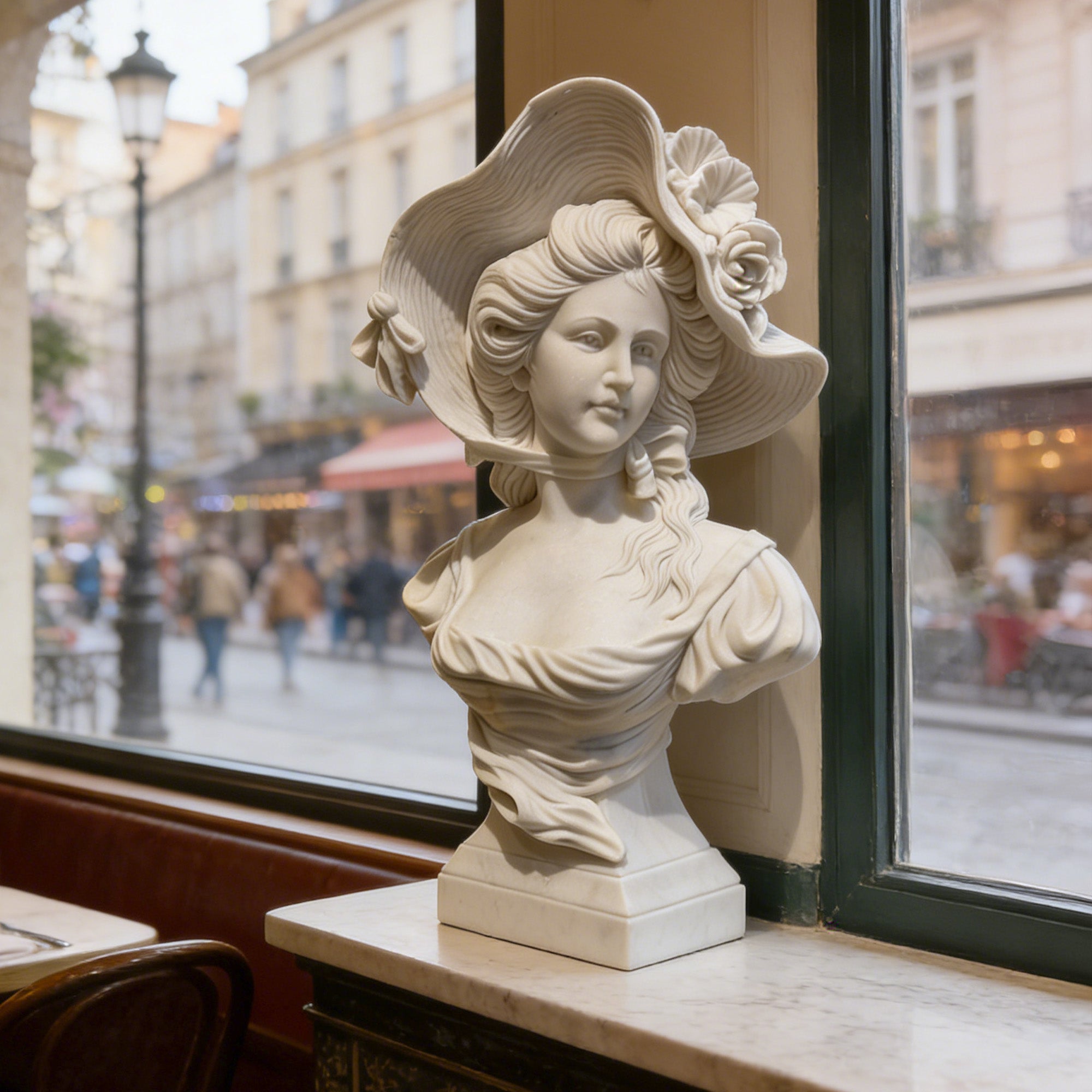
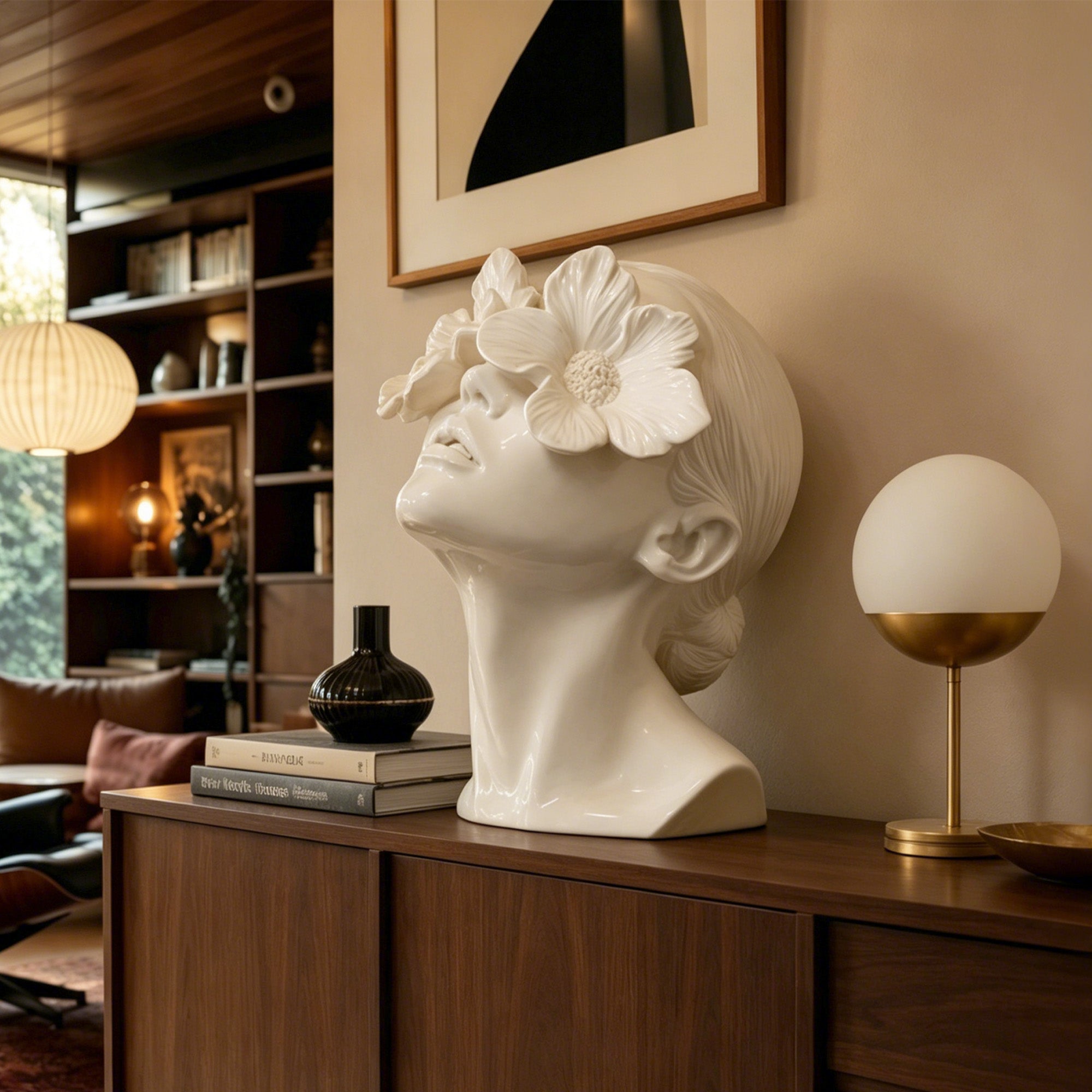
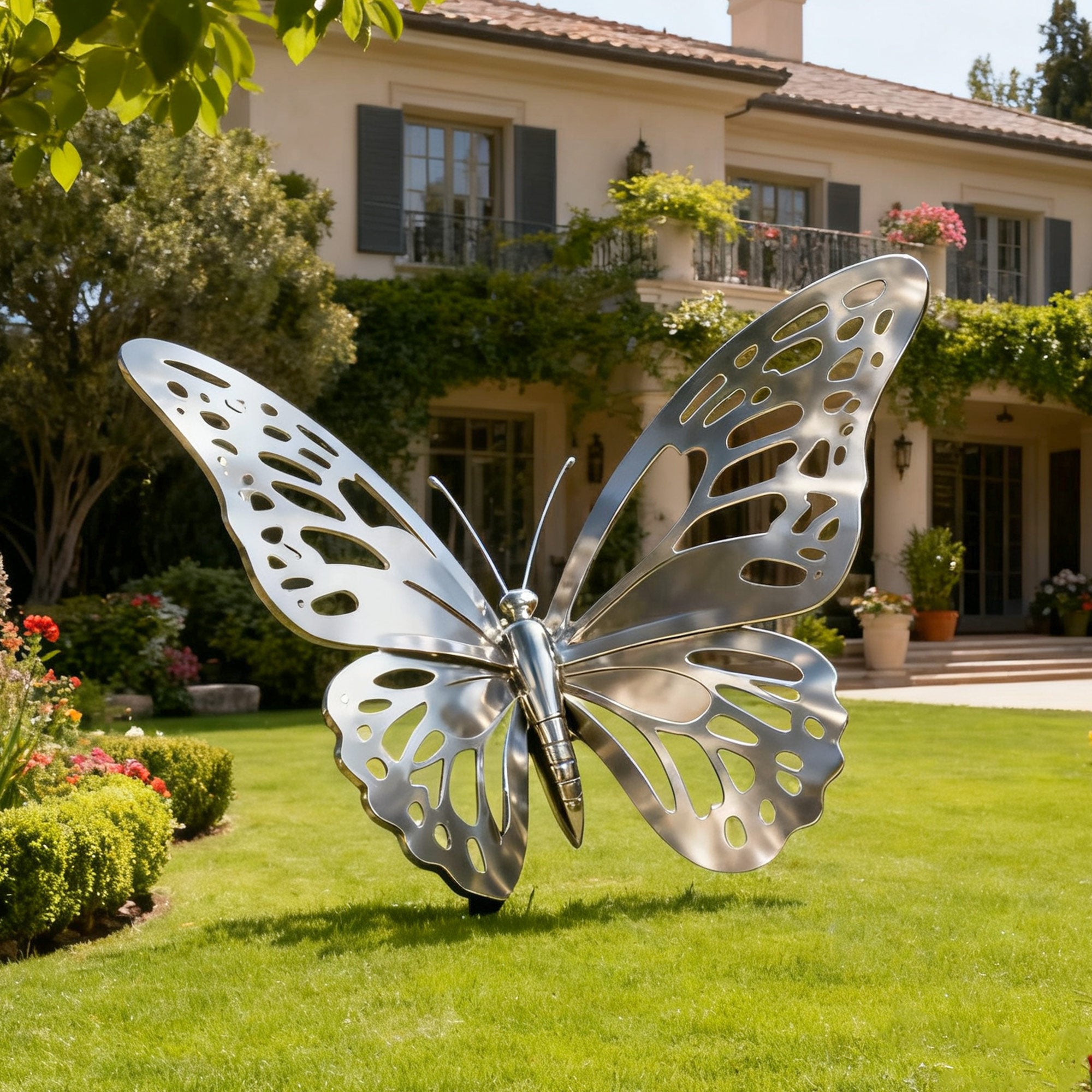
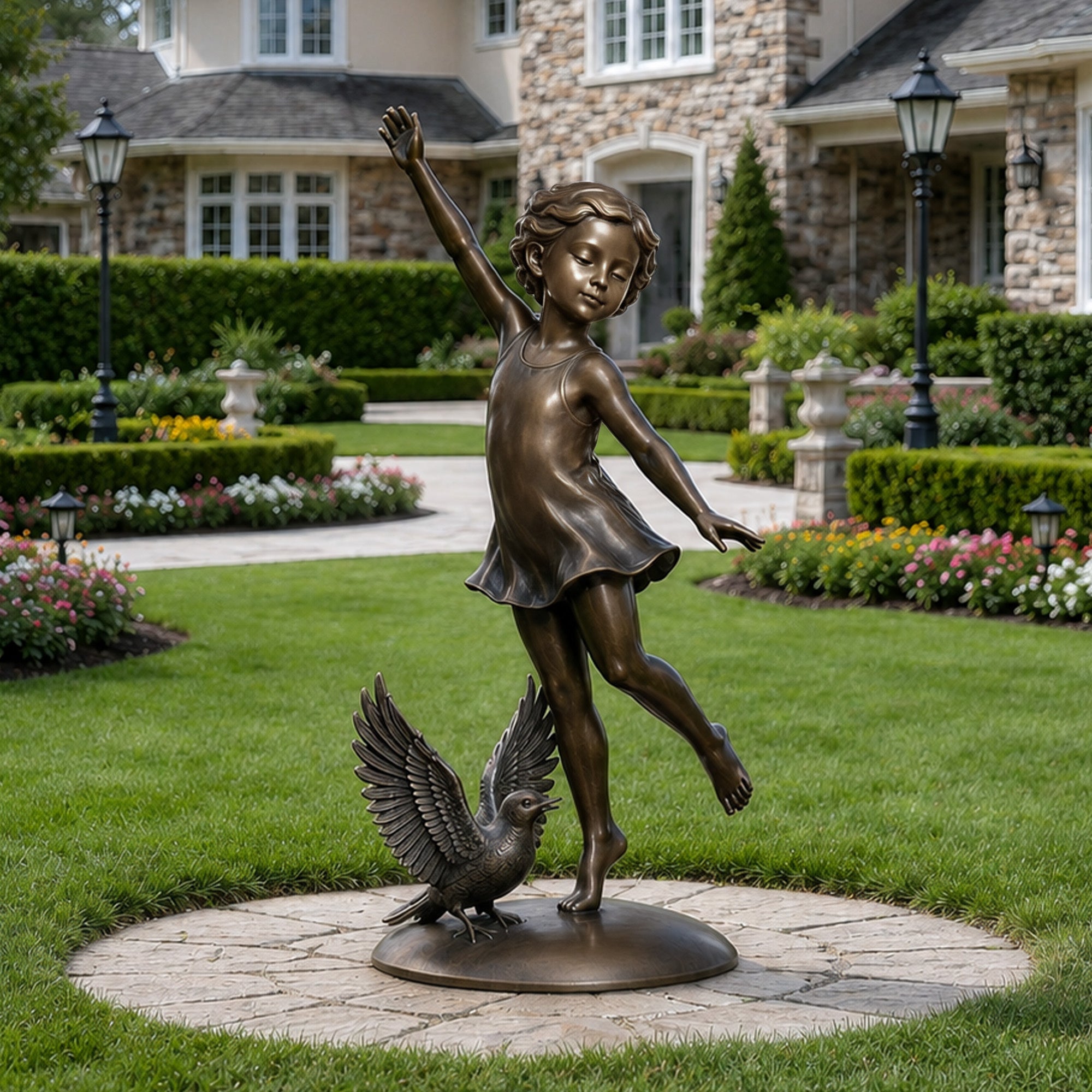
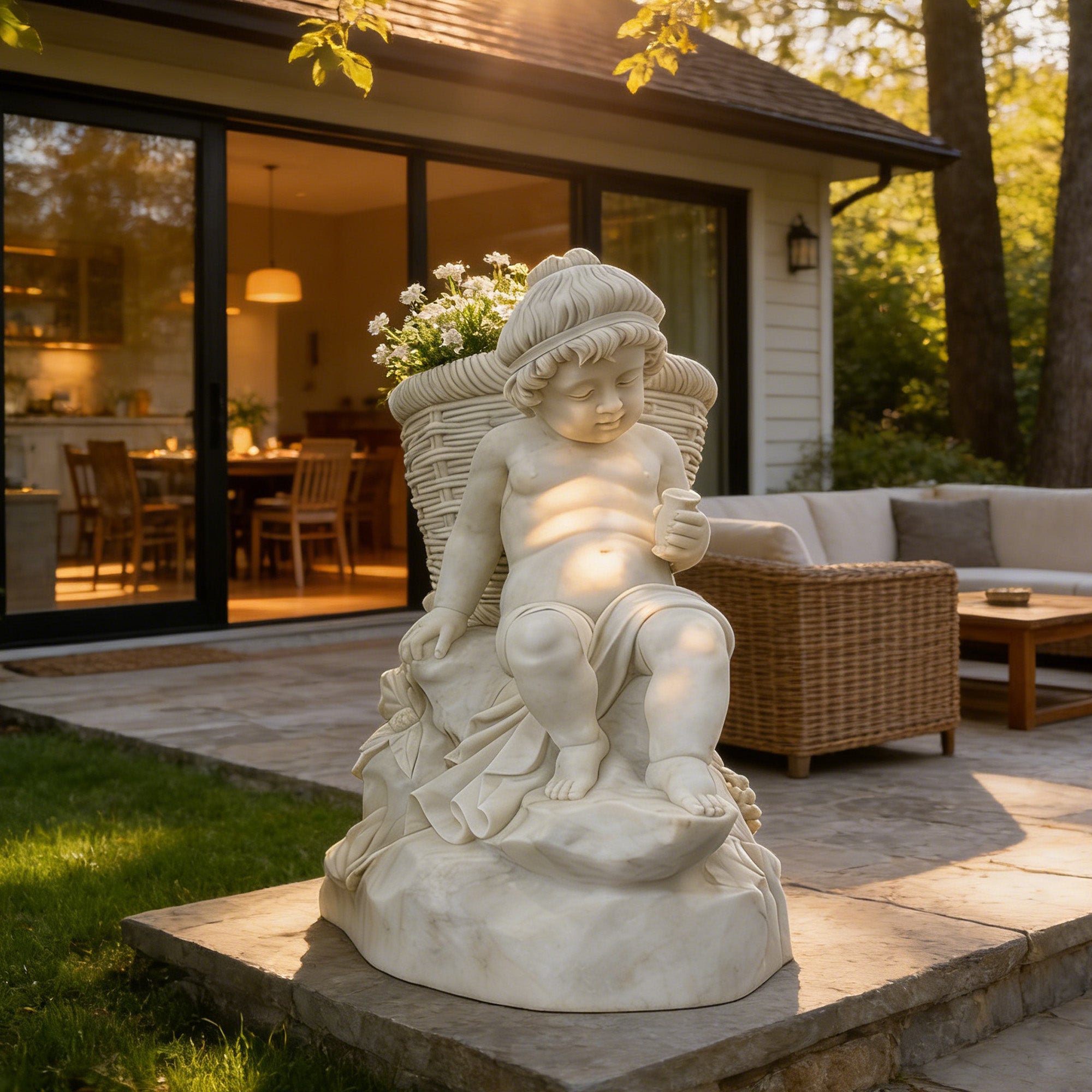
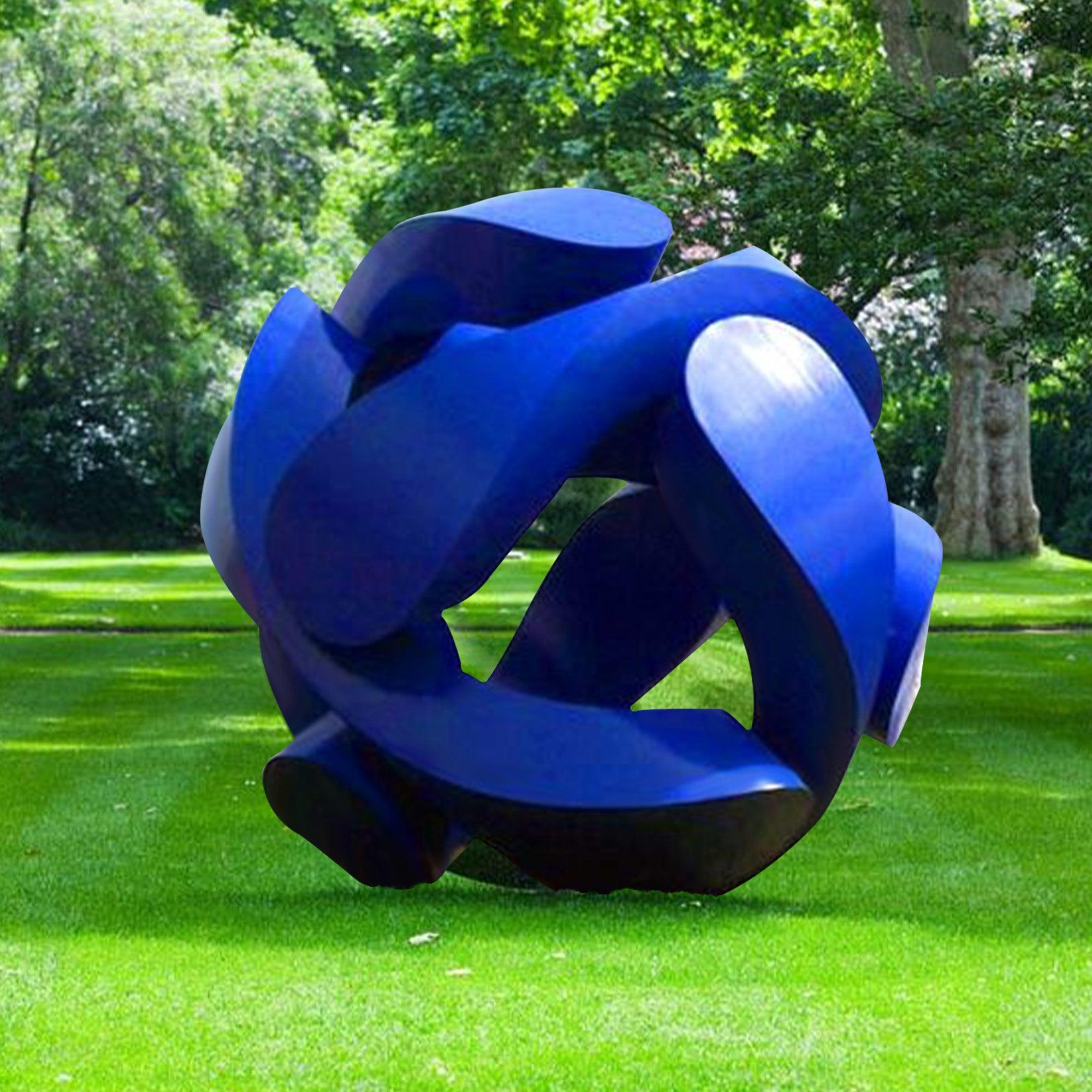

Abstract sculpture does not replicate reality—it uses form, material, and space to reshape how we perceive our surroundings. It never tells one fixed story; instead, it invites each viewer to discover their own interpretation. Its greatest strength lies in its adaptability. The same piece can feel entirely different in a city square, a garden, or a hotel lobby. But to achieve that effect, you must place it in the right environment. This guide covers five ideal settings for contemporary abstract art. For each setting, we explain why it works, what to consider, and how to position the sculpture for maximum impact.

1. Urban Public Spaces & City Landscapes
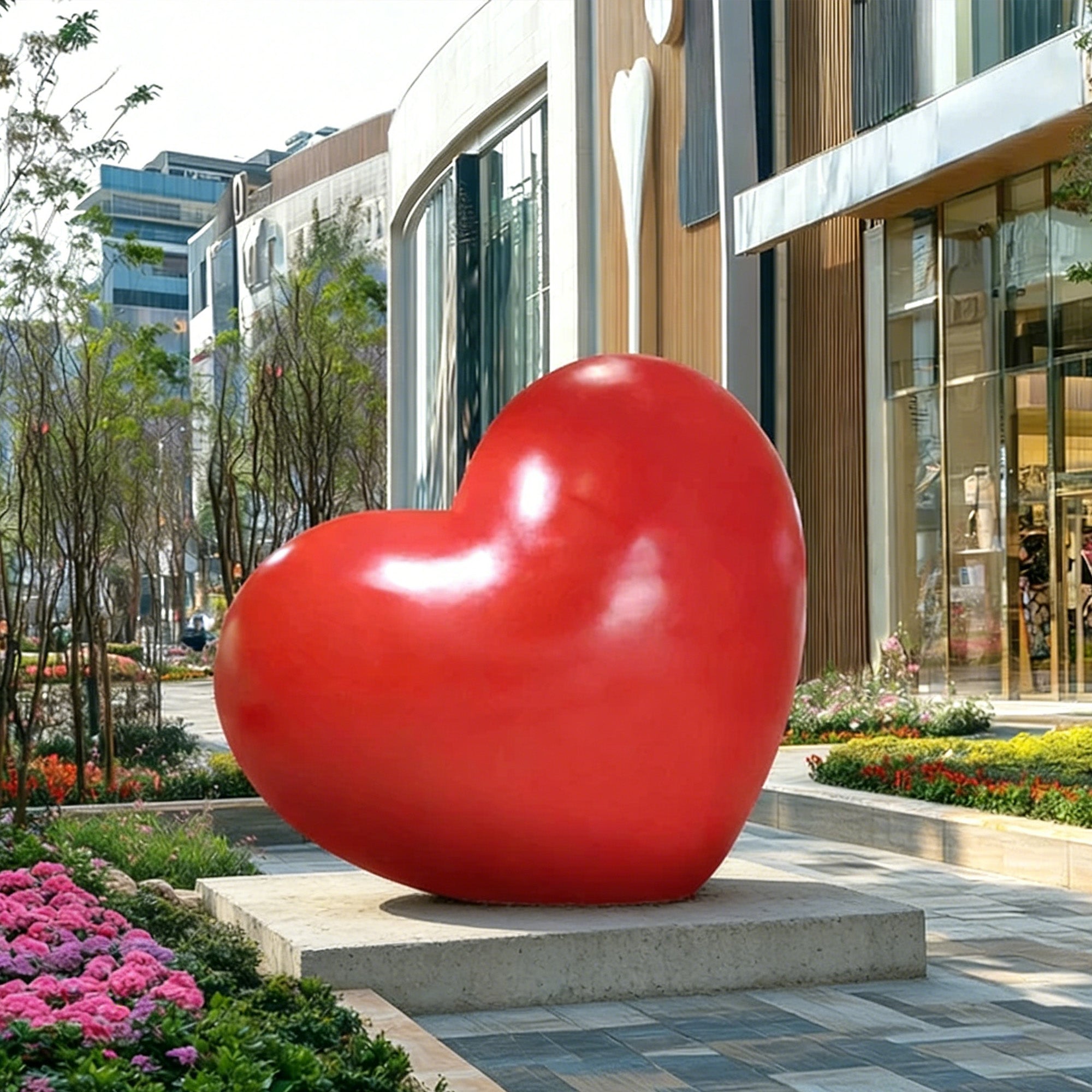
Public spaces, such as city plazas, parks, traffic circles, and pedestrian walkways, are where abstract sculpture can make its boldest statement. These works become landmarks that define a place's identity and spark public conversation.
Key Advantages:
-
Visually engaging from every angle, with no single "best view".
-
Open to interpretation, different viewers find different meanings.
-
Durable materials like stainless steel sculpture, bronze statuary, and weathering steel artwork withstand sun, rain, and wind for decades
What to Consider:
-
Scale: In large public areas, the sculpture must be big enough to stand out—otherwise it gets lost among surrounding structures.
-
Safety: Outdoor pieces need a solid concrete base and strong anchoring to resist wind and accidental contact. This is essential for any large outdoor sculpture in high-traffic zones.
-
Context: The sculpture can echo the surrounding architecture or create a deliberate contrast. Either way, consider the relationship.
Placement Tips:
For maximum visibility and engagement, position the sculpture where people naturally gather or pass by, such as near seating areas, pathways, or plaza entrances. Leave ample space around it to allow viewing from multiple angles, and carefully consider sightlines from nearby roads and buildings to ensure the piece becomes a true landmark rather than an overlooked element.

2. Gardens & Landscape Art
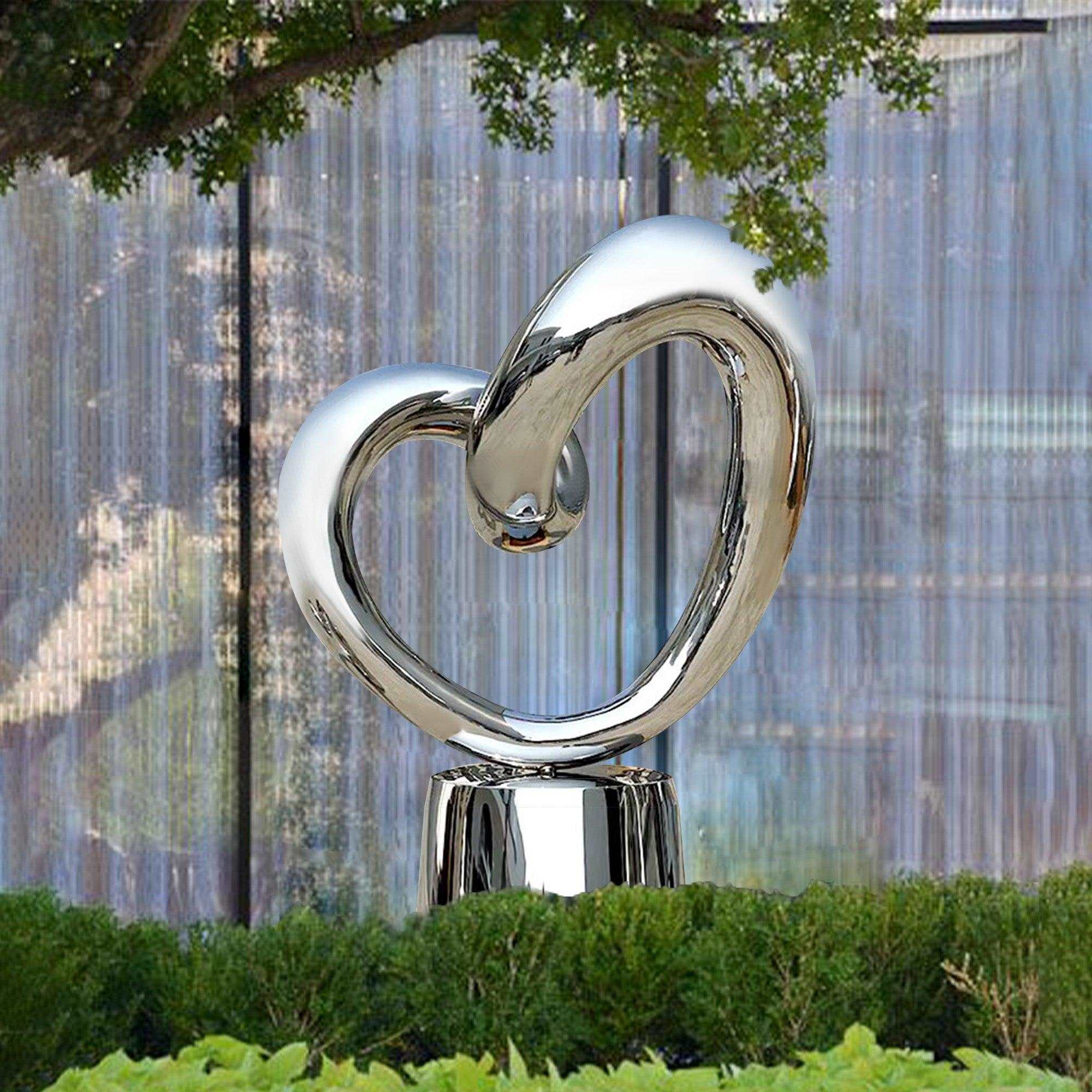
In a garden, abstract sculpture becomes part of the narrative of the space. It creates a dialogue between art and nature, and between the viewer and the landscape.
Key Advantages:
-
Remains interesting all year round, even when plants lose their leaves.
-
Placed at the end of a path or at a fork, it draws people forward.
-
Contrasts with plants, clean lines stand out against soft, organic shapes.
What to Consider:
-
Style match: Modern abstract pieces fit best in contemporary gardens. Formal, symmetrical gardens may not suit them well.
-
Background: A plain wall, hedge, or fence helps the sculpture pop. Low planting around the base works without blocking views.
-
Size: Large pieces can be main garden focal points; smaller ones work as surprises along the path.
Placement Tips:
Before committing to a final location, test the scale with a cardboard box or temporary prop to ensure the size feels right within the surrounding landscape. Positioning the sculpture near water, such as a pond or reflecting pool, creates beautiful reflection effects that enhance the visual experience. Adding landscape lighting extends enjoyment into the evening hours, allowing the piece to cast dramatic shadows and remain a captivating presence after dark.

3. Corporate & Commercial Indoor Spaces
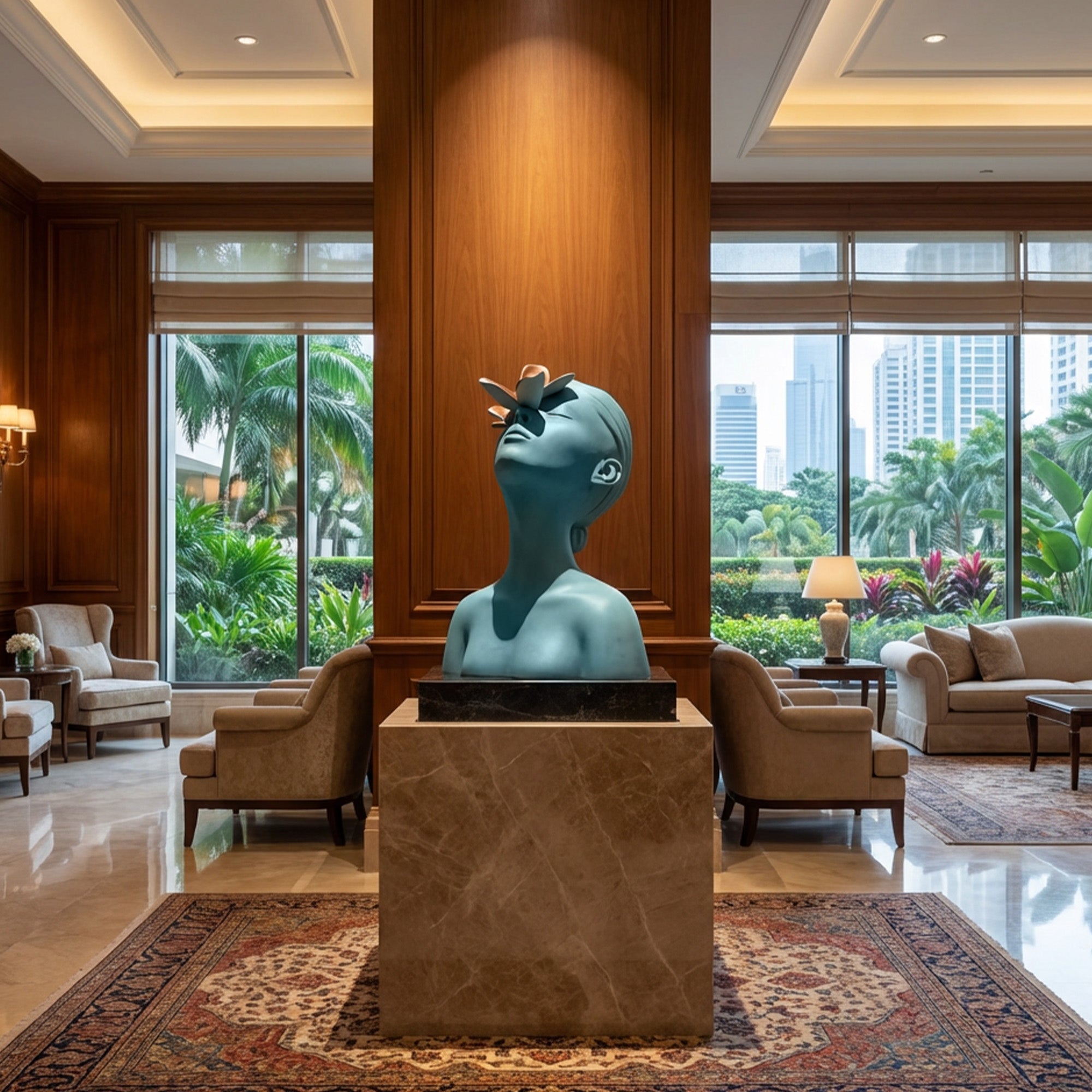
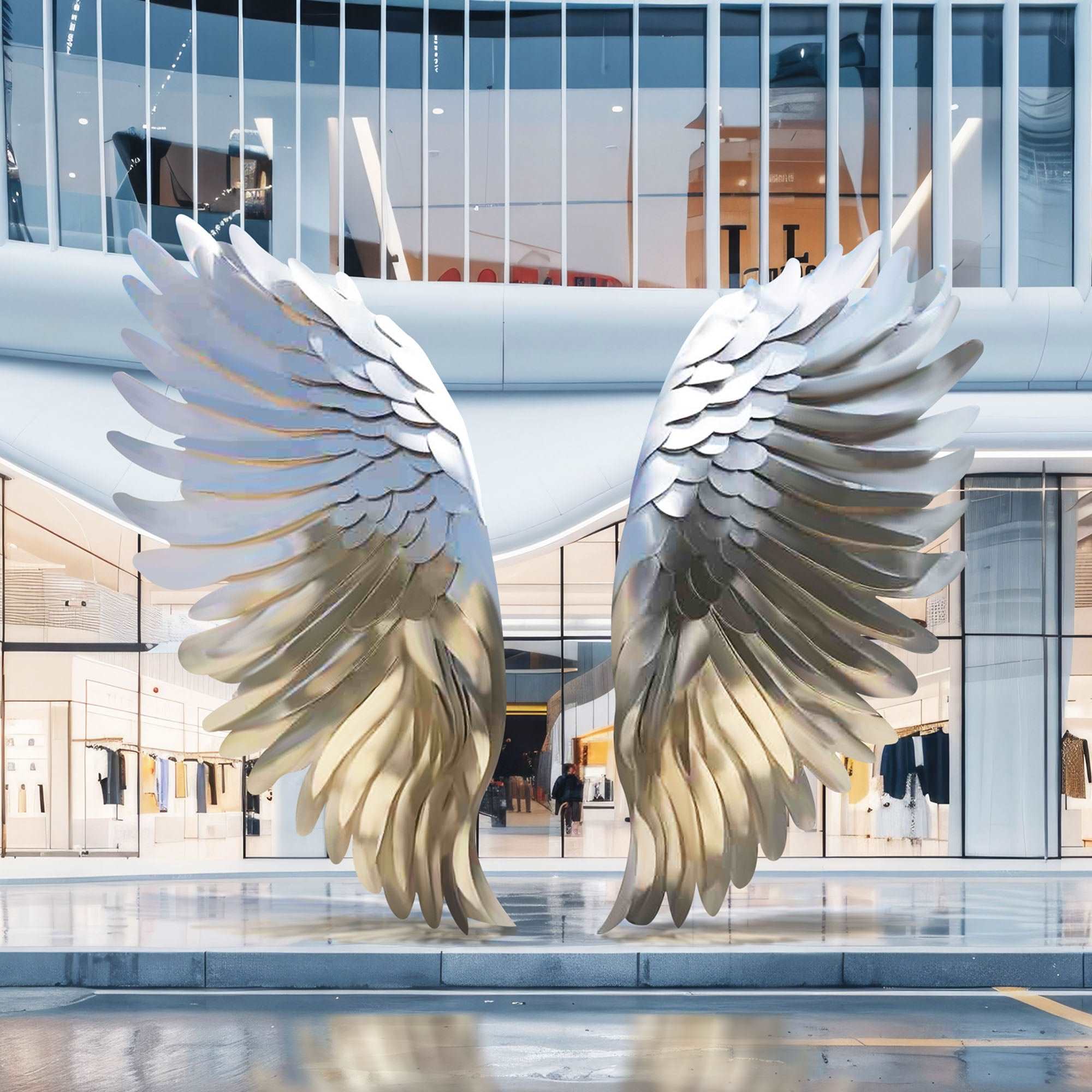
Abstract sculpture is a powerful tool for upgrading business environments, including hotels, office lobbies, corporate headquarters, shopping malls, and boardrooms. It conveys quality, professionalism, and brand identity.
Key Advantages:
-
Communicates values, shape and material suggest precision, innovation, stability, or elegance.
-
Makes the space memorable, a striking piece helps visitors remember the building.
-
Fits many interior styles. from minimalist to classic to high-tech.
What to Consider:
-
Material and finish: Polished metal feels modern and bold; brushed or matte finishes are more understated.
-
Scale and location: Large pieces suit atriums and grand lobbies; medium works fit corridor ends or waiting areas; small wall-hung pieces are good for offices.
-
Lighting: Commercial spaces often have good lighting. Use spotlights to emphasize shape and surface.
Placement Tips:
For maximum impact, place the sculpture in high-visibility areas where clients and employees pass daily, such as reception zones, elevator lobbies, or main corridors. Ensure the piece does not obstruct foot traffic or create bottlenecks, and coordinate its finish and colour with the interior design palette to create a cohesive, polished look that reinforces brand identity.

4. Luxury Private Homes & Residences
In contemporary homes, penthouses, and private art collections, abstract sculpture adds personality and a sense of artistic depth. It turns a house into a home that values beauty and creativity.
Key Advantages:
-
Complements modern architecture, clean lines echo simple geometric forms.
-
Works at many scales, from mantelpiece pieces to large courtyard installations.
-
Plays with light, curved or perforated forms cast changing shadows throughout the day.
What to Consider:
-
Placement within the home: Entryways, living rooms, corners, and walls all offer different opportunities.
-
Colour coordination: The sculpture's colour should fit the room's palette or serve as a deliberate accent.
-
Safety: In high-traffic areas, keep it slightly back from edges to avoid knocks, especially with children or pets.
Placement Tips:
A striking piece placed at the entrance immediately impresses guests and sets the tone for the entire home, while a tall vertical sculpture in a corner draws the eye upward and makes the space feel taller. Smaller works can be positioned on console tables, coffee tables, or beside fireplaces as decorative focal points, creating intimate moments of visual interest throughout the living space.

5. Cultural Institutions & Art Spaces
Museums, art galleries, sculpture gardens, and cultural centres are the most traditional homes for abstract sculpture. Here, art is the main event, so the piece can be appreciated for its pure aesthetic and intellectual value.
Key Advantages:
-
Provides a pure art experience, visitors come expecting to see and think about art.
-
Fits both indoors and outdoors, inside galleries with controlled lighting, or outside in sculpture gardens.
-
Has educational value, helps people understand form, space, and material.
What to Consider:
-
Indoor galleries: Pay attention to lighting and exhibition flow. Allow visitors to walk around the piece.
-
Outdoor sculpture gardens: Combine sculpture with landscape. Create paths that lead visitors from one piece to the next.
-
Relationship with the building: The sculpture can echo the architecture or provide a striking contrast.
Placement Tips:
Position pieces to create a journey through the space, guiding visitors from one artwork to the next in a curated sequence that builds engagement and discovery. For outdoor installations, take advantage of natural light at different times of day to enhance the sculptural forms, and provide information plaques nearby to deepen visitor understanding and appreciation of the work.

Conclusion
Abstract sculpture does not have one fixed home. It belongs wherever people are willing to see, feel, and think about art in new ways. A well-placed piece can transform a busy square, a quiet garden, a corporate lobby, a private living room, or a museum hall.
Before you decide on a location, ask yourself three simple questions:
-
What mood do I want this space to have? Consider lively, professional, calm, or inspiring.
-
How will people interact with the piece? Think about viewing from a distance, walking around it, or experiencing it up close.
-
Can the space support it? Evaluate size, lighting, background, and safety.
When you answer these honestly, you will find the perfect home for your sculpture, a place where it can be seen, felt, and remembered.
Explore our range of custom modern abstract sculptures, available in stainless steel, bronze, marble and fiberglass, and find the piece that belongs in your space.