

Have you ever stood before a bronze sculpture of a warrior in mid-battle or a horse at full gallop and felt your breath catch? That sense of life captured in metal isn't an illusion—it's the result of a perfect partnership between artistic vision and the unique properties of bronze. When the goal is to create a timeless representation of life, artists have turned to bronze for millennia. But what makes this classic material so uniquely suited for figurative art? The answer lies in its unparalleled ability to capture detail, embody strength, and develop a soulful presence over time.

Part 1: Fidelity of Soulmate - Capturing the Finest Details
The magic of a great bronze sculpture often lives in its smallest details. This starts with bronze’s remarkable ability to act as a liquid storyteller. When poured into a mold, molten bronze fills every microscopic crevice, perfectly capturing the artist's most subtle textures and forms. This allows bronze to replicate the very essence of living subjects:
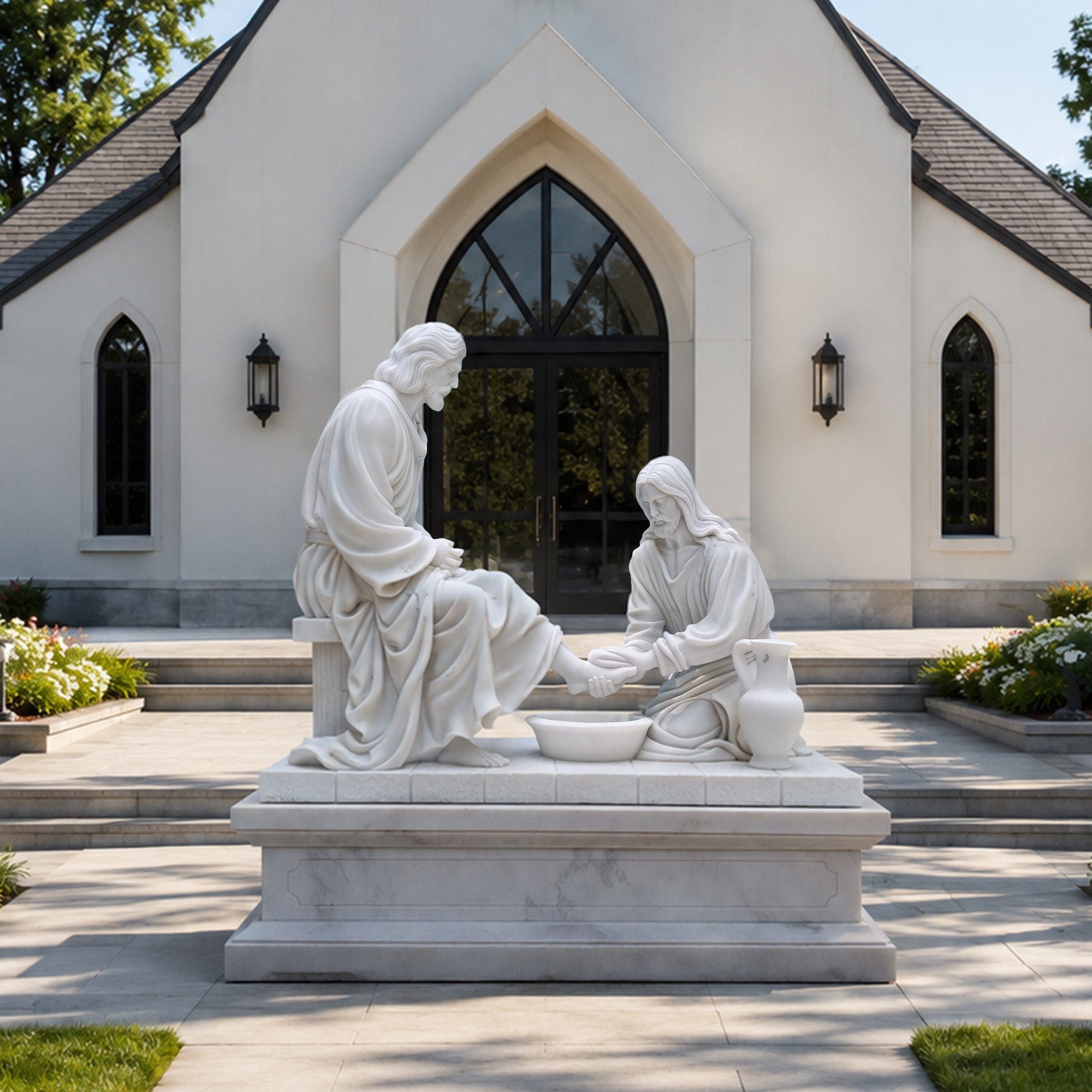
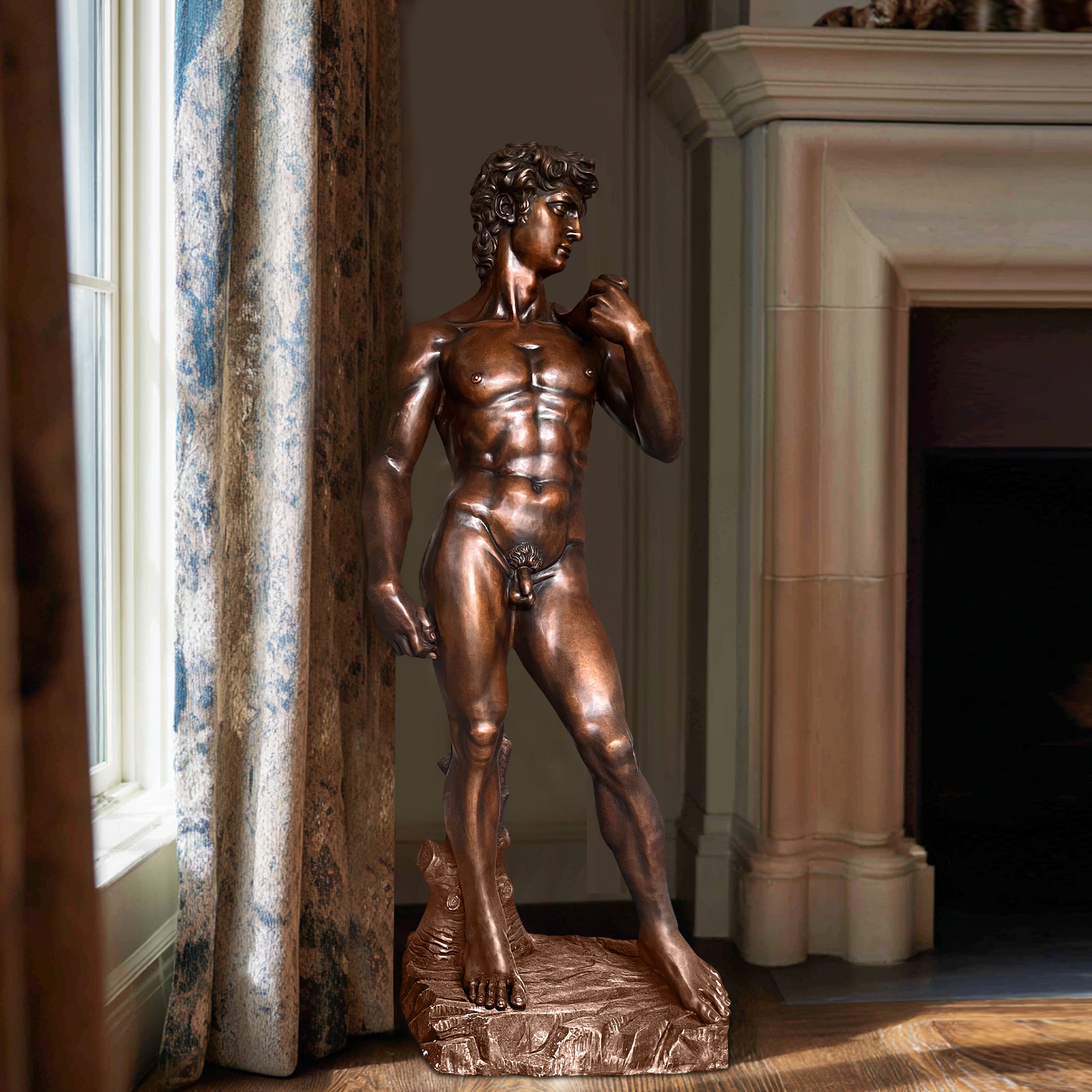
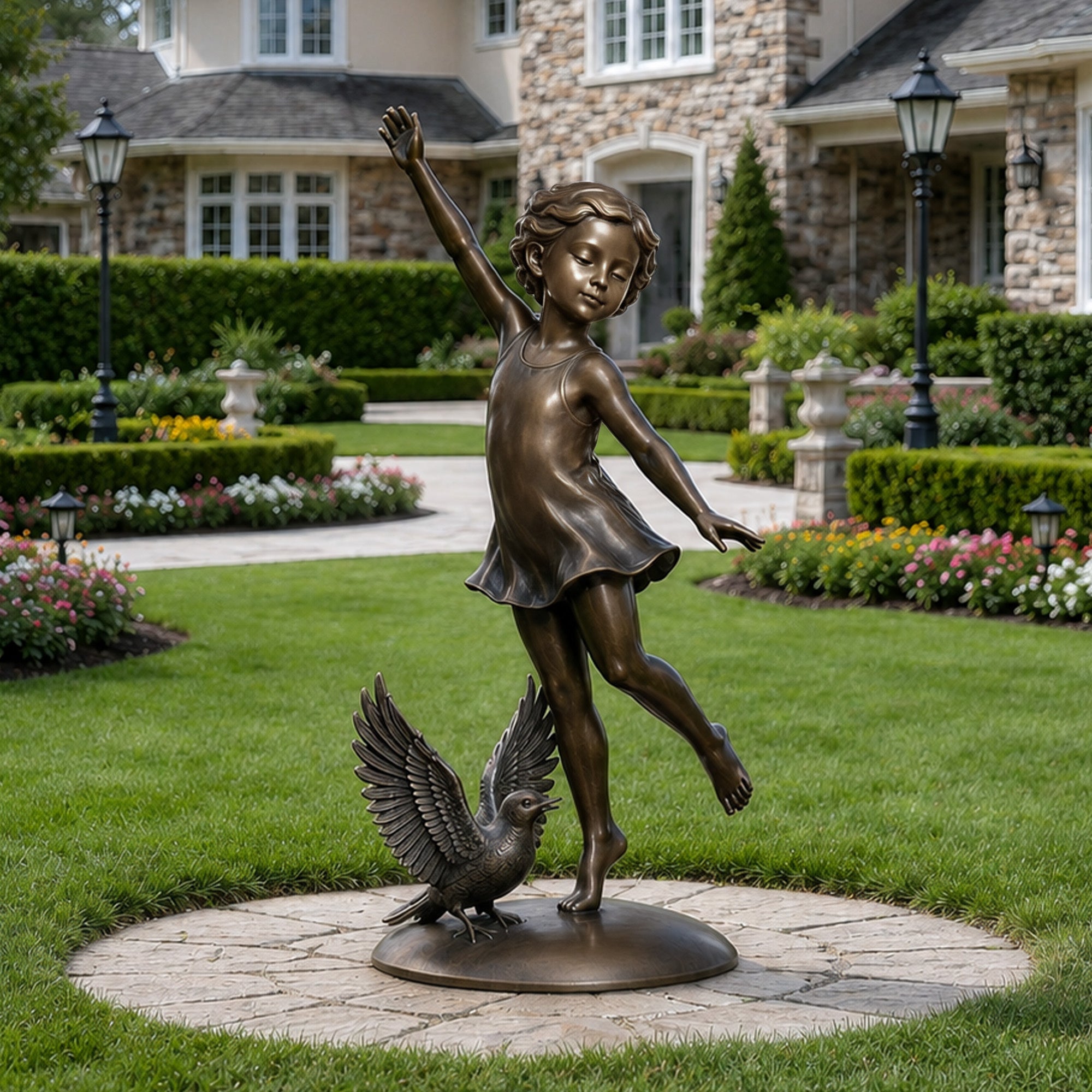
- For Human Figures Sculptures: It can render the crow's feet at the corner of a smiling eye, the sharp line of a collarbone, the delicate tendons on the back of a hand, and the subtle texture of skin.
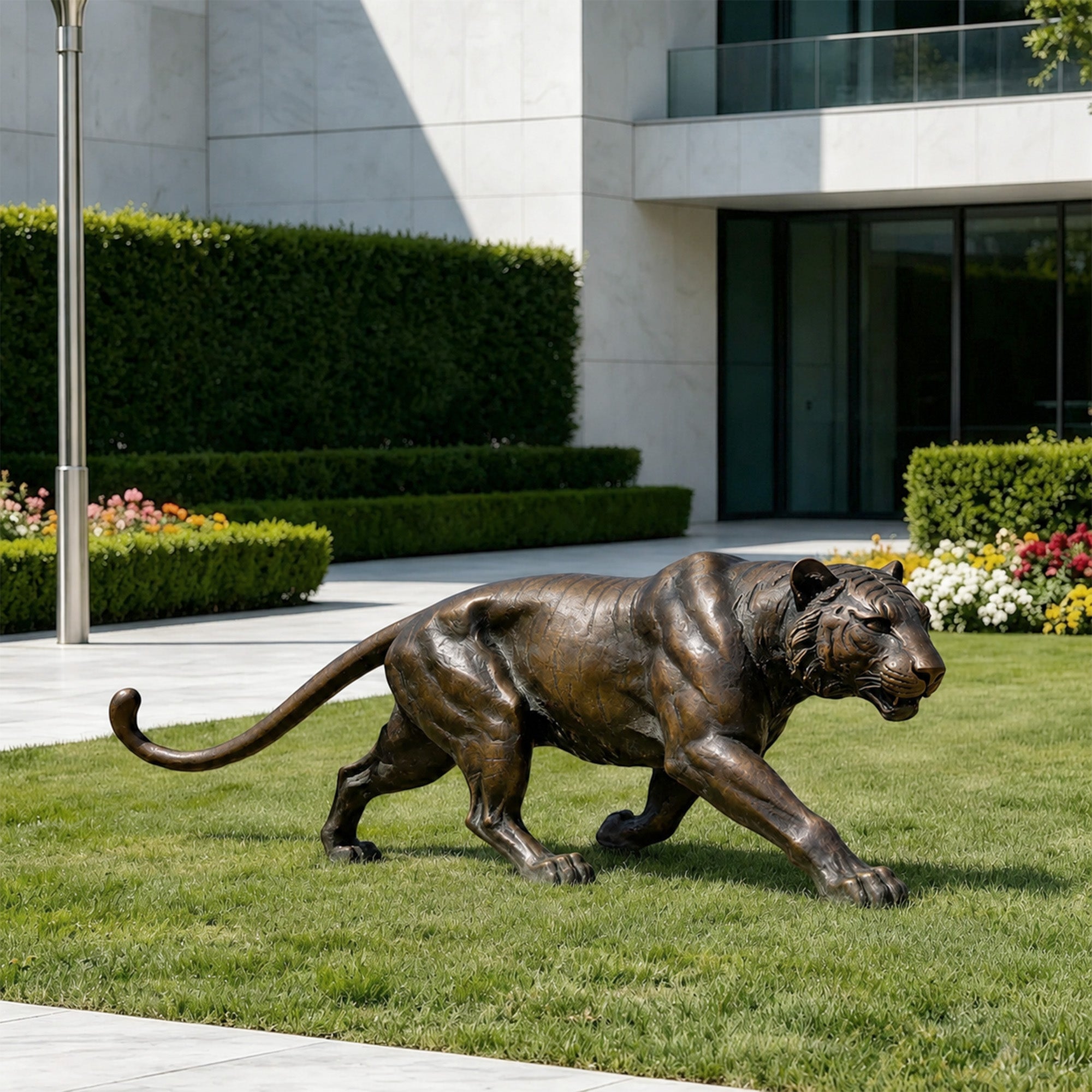
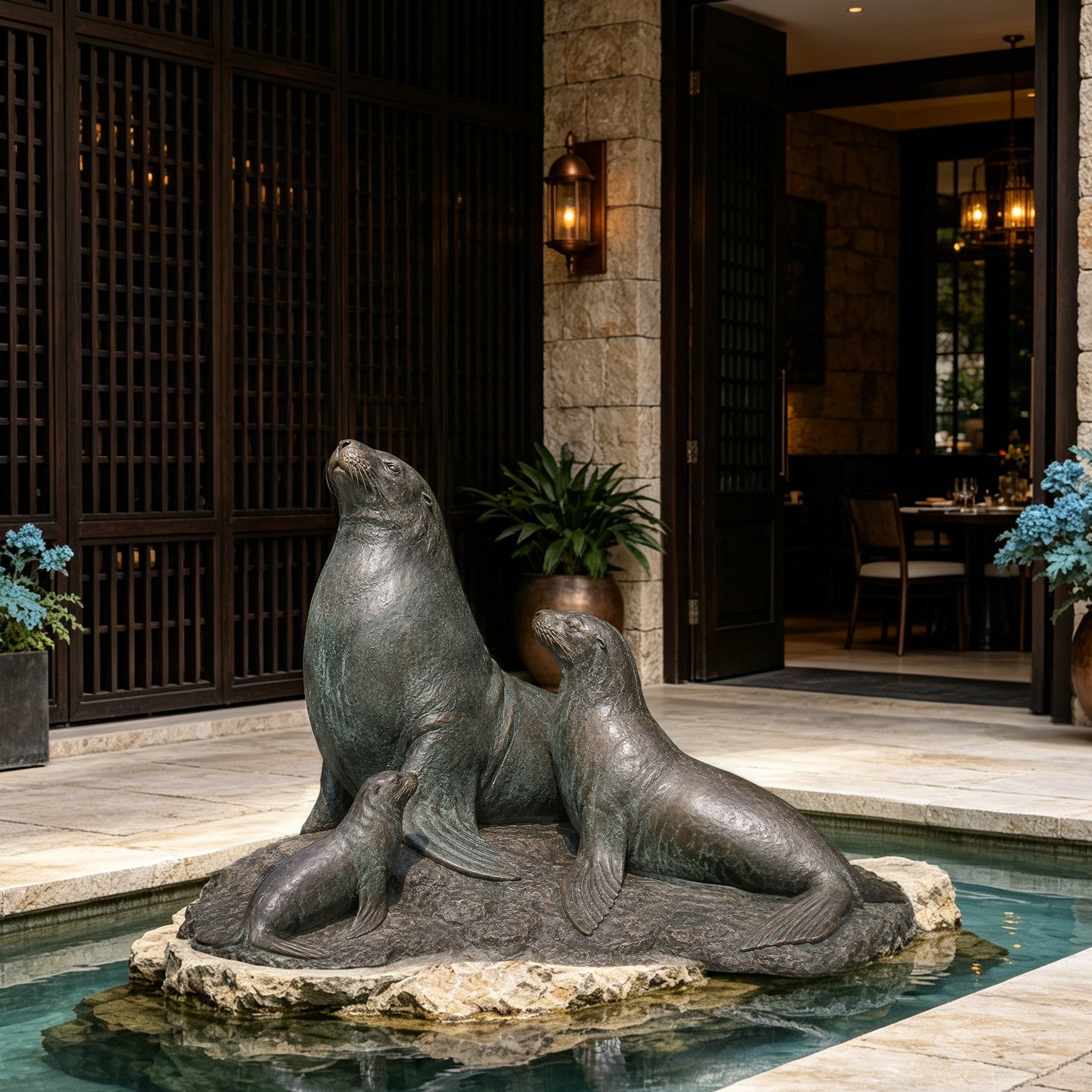
- For Animal Forms Sculptures: It replicates the layered feathers of an eagle, the coarse fur of a grizzly, the powerful definition of a stallion's muscles, and the soft folds of its skin.
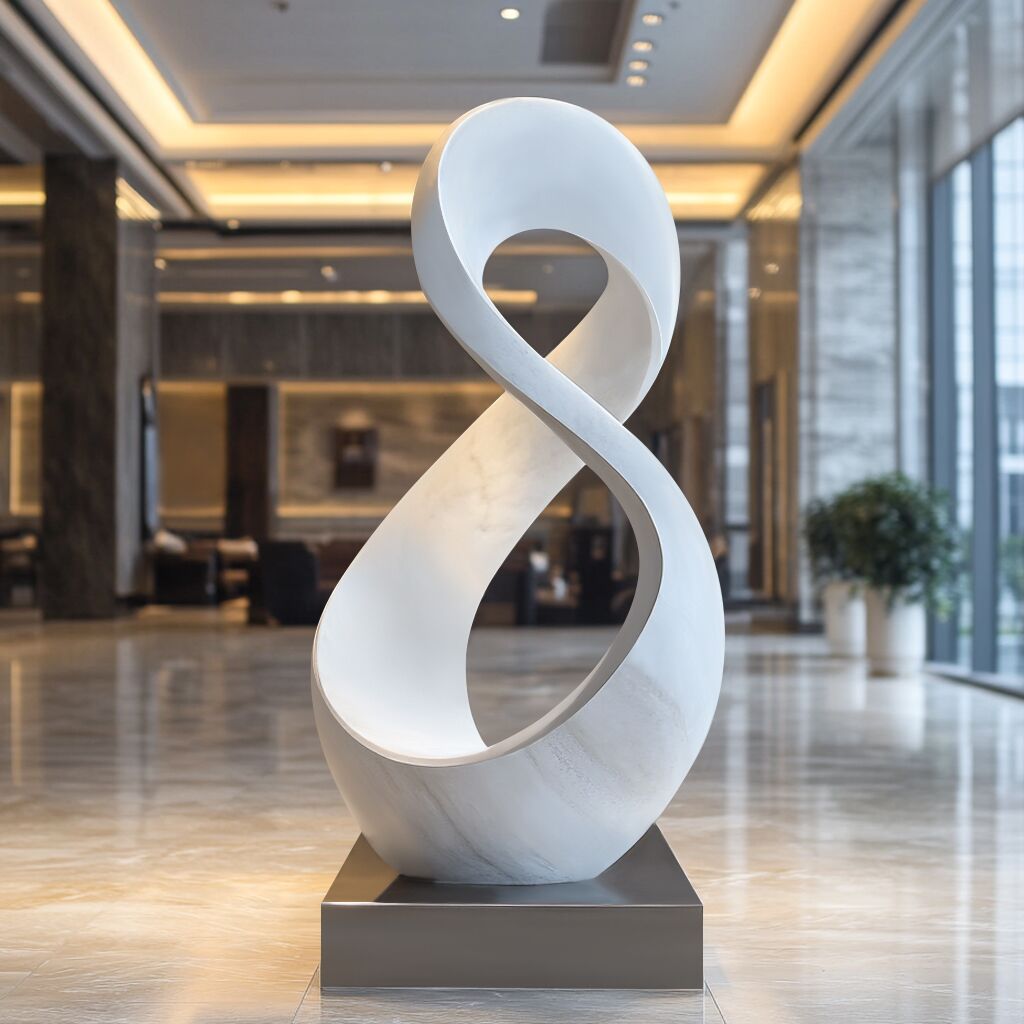
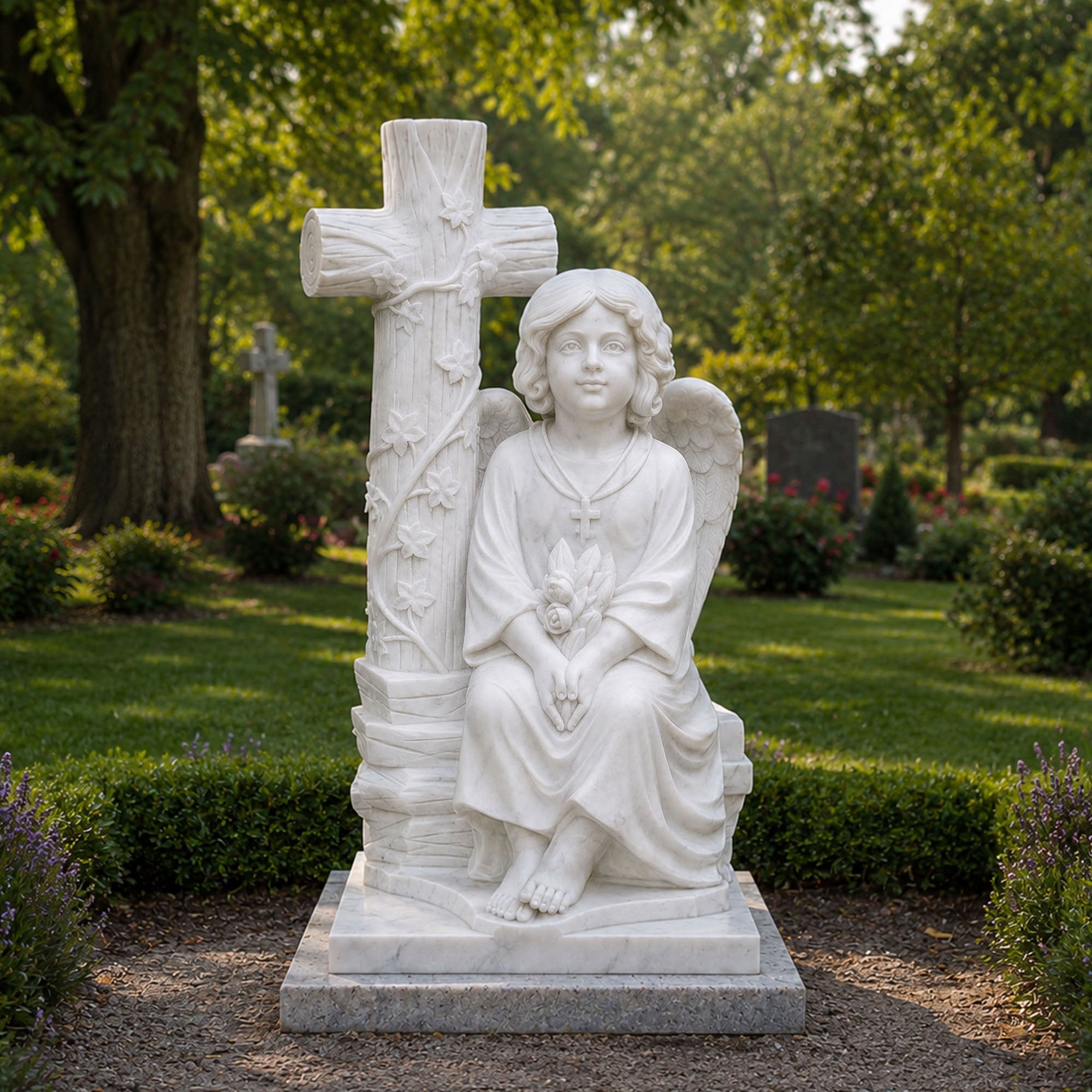
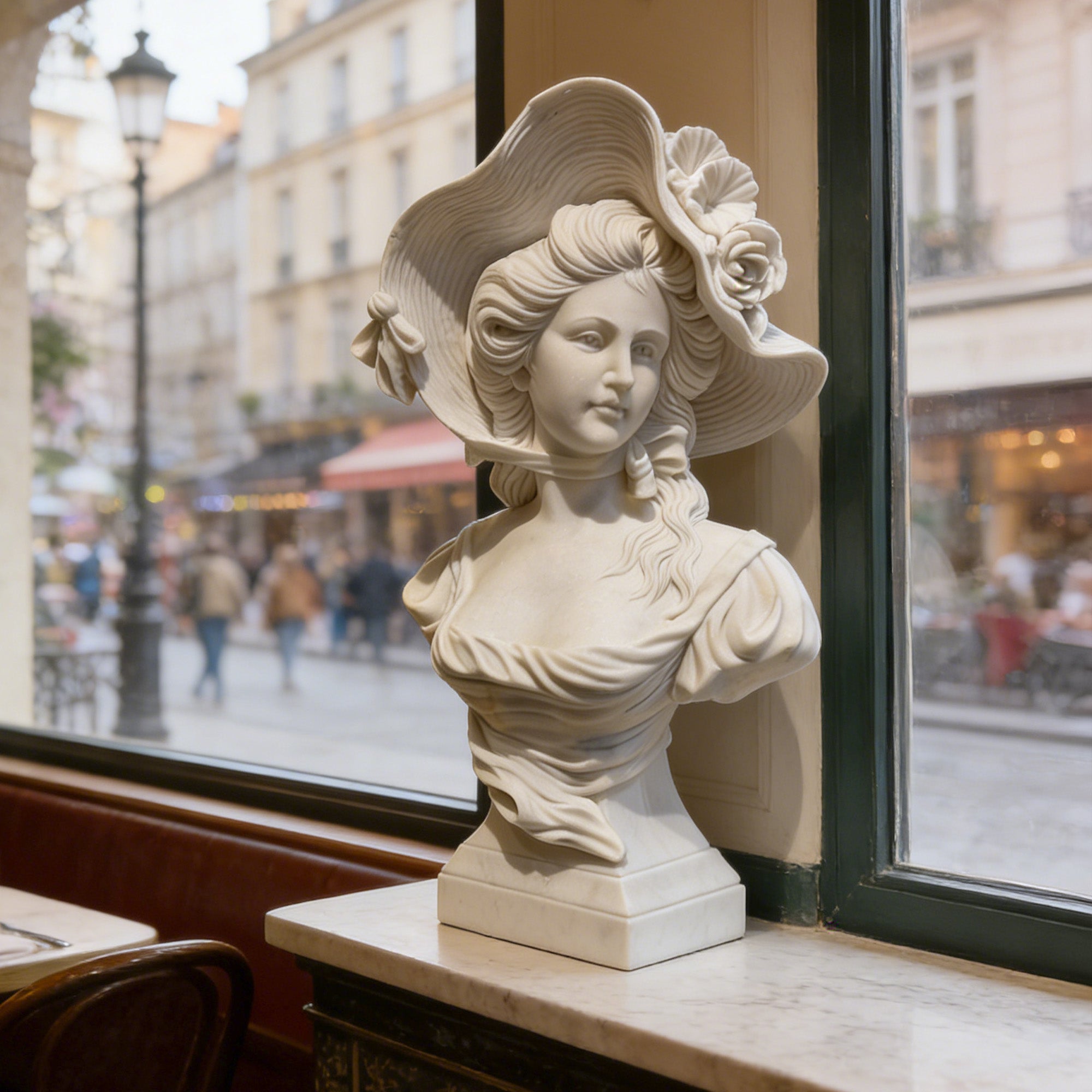
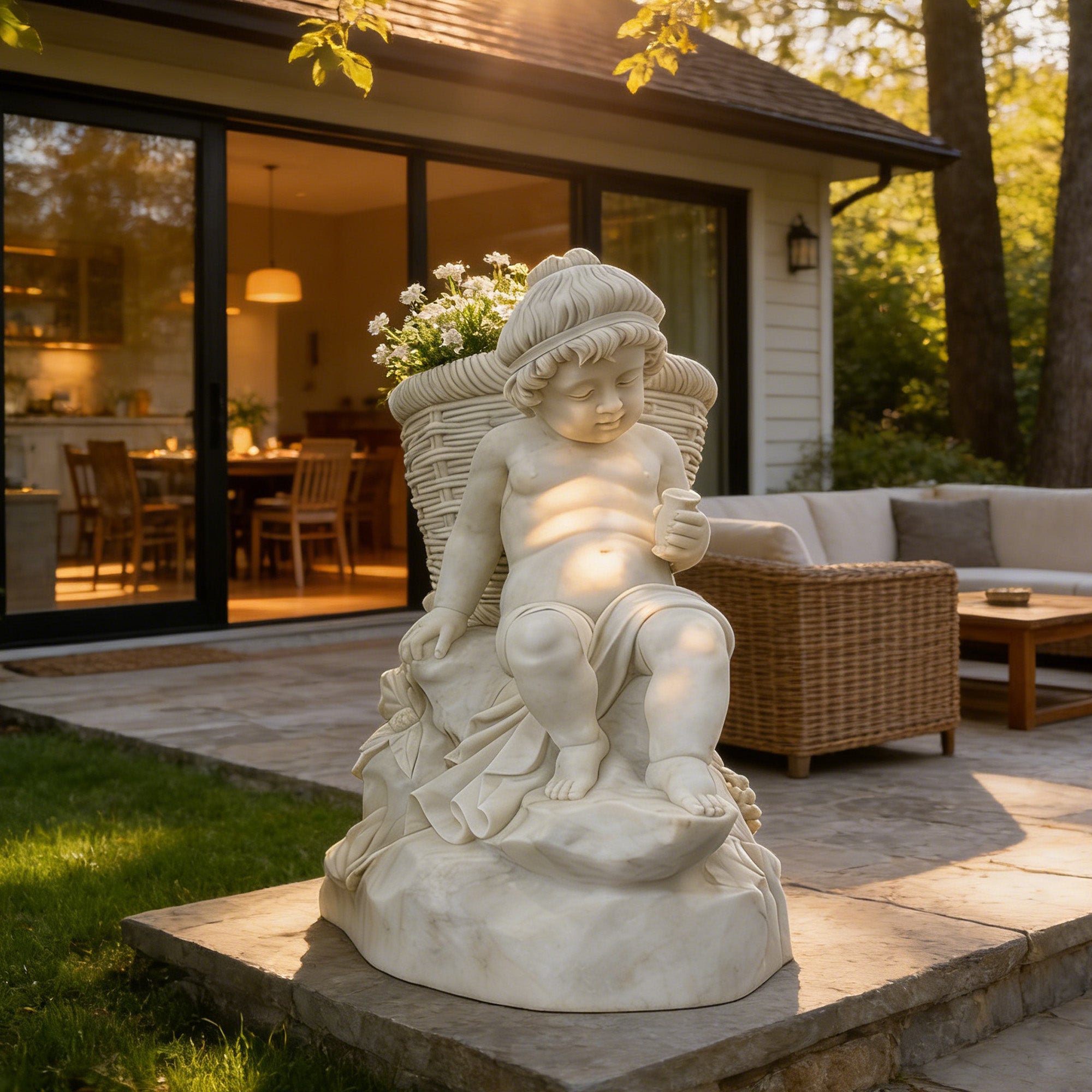
This capability sets bronze apart. In comparison, the process of carving marble sculptures is a 'subtractive' process, The nature of marble as a singular block admits no error; once carved, the mark is permanent.Also, marble materials are difficult to depict extremely delicate and fragile details, such as open fingers and loose hair
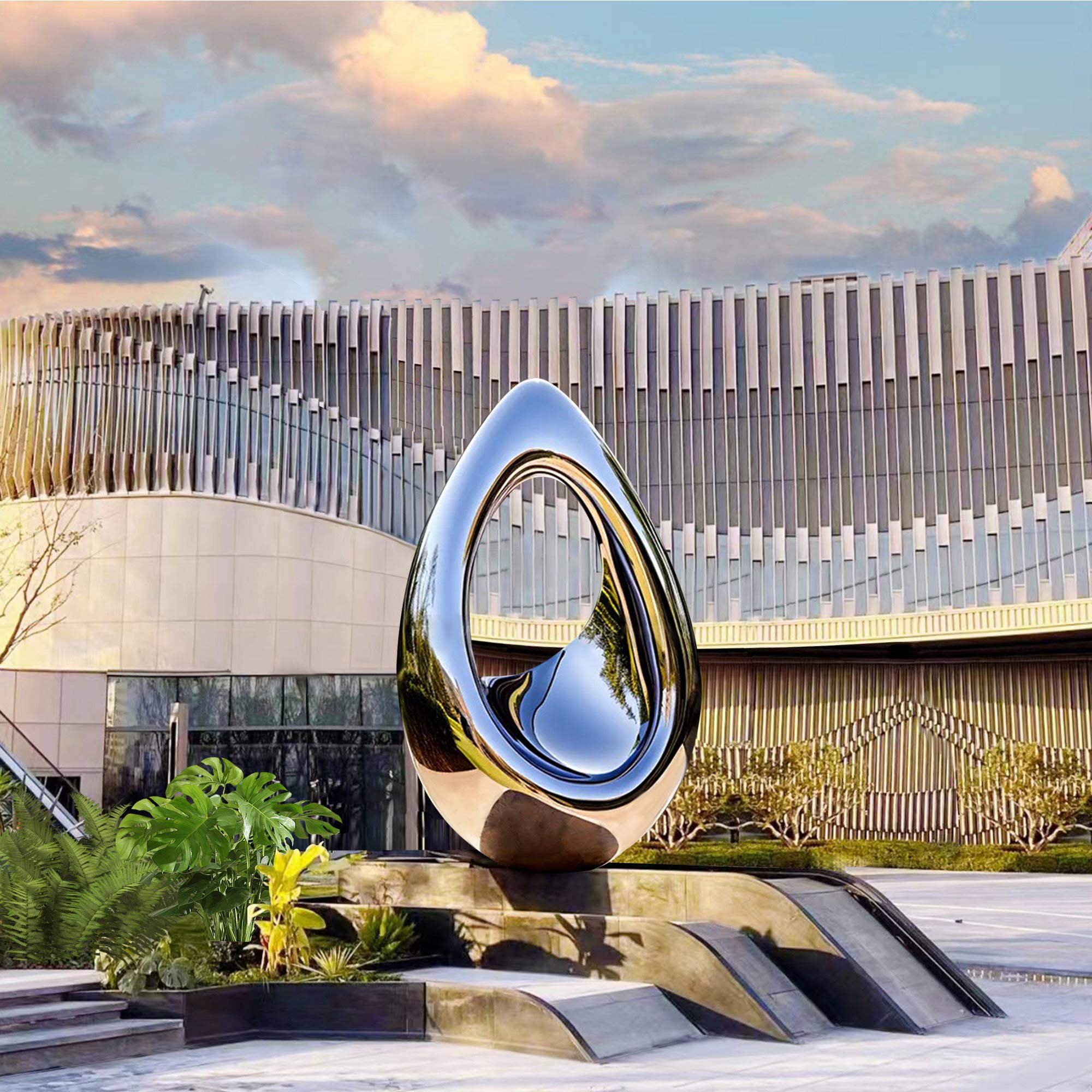
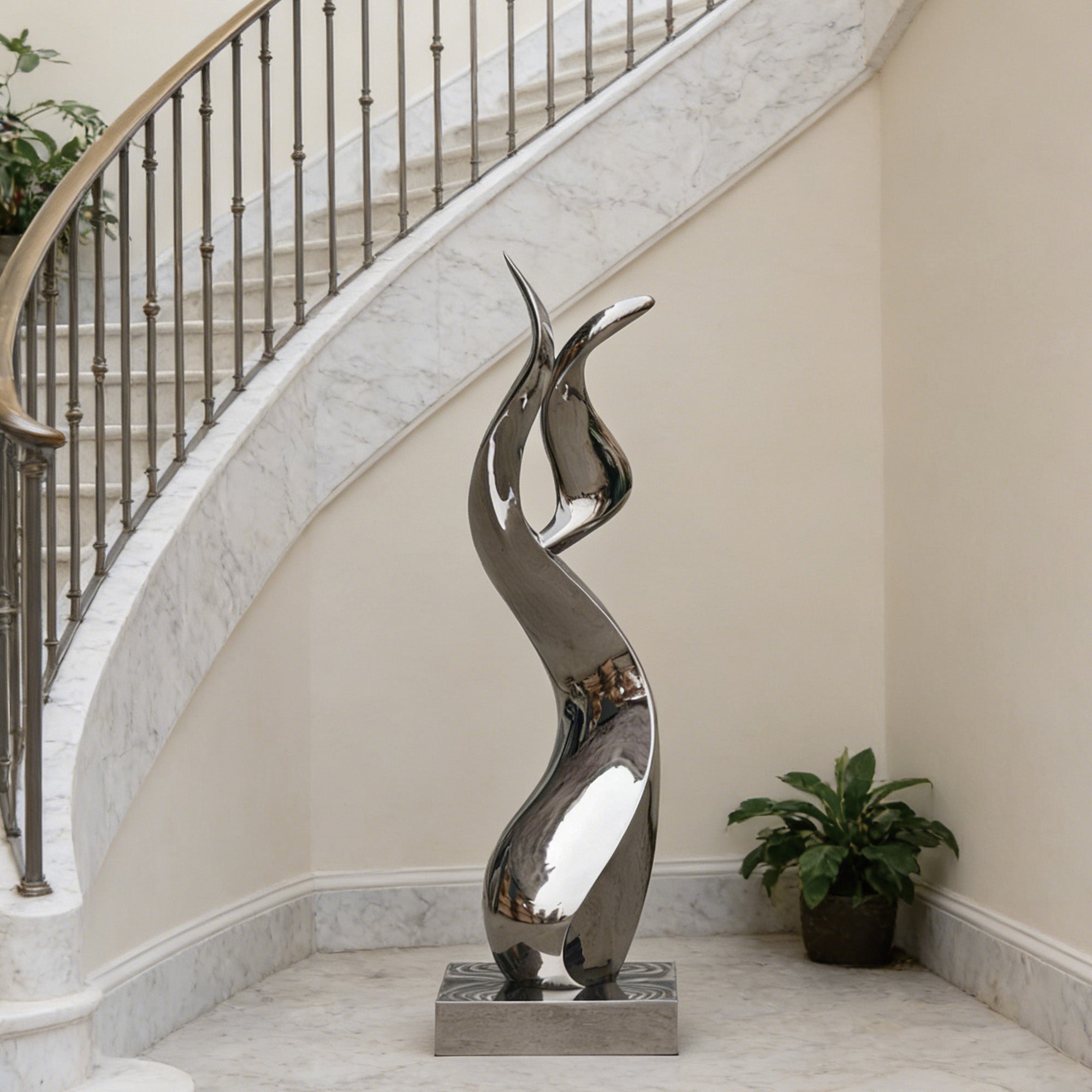
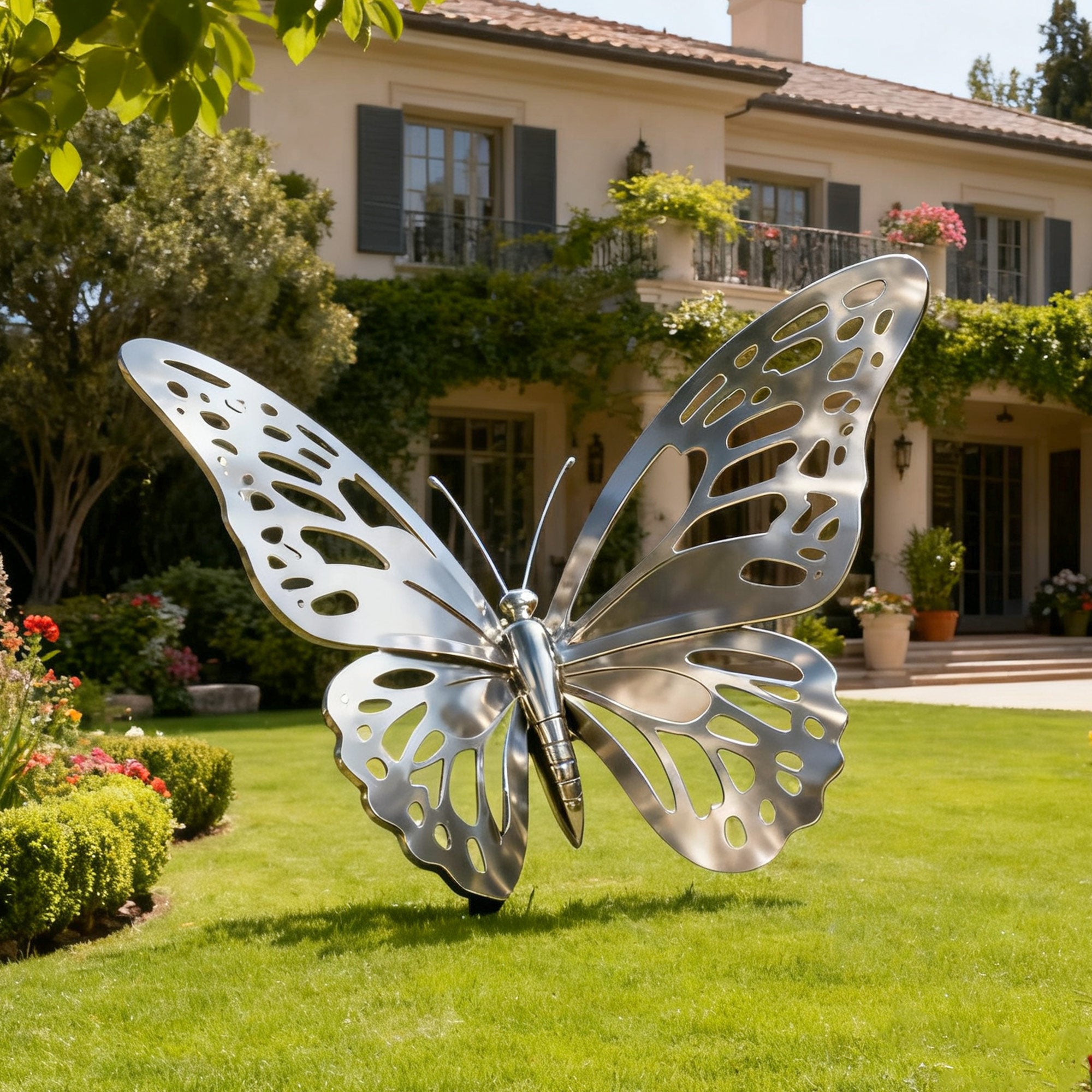
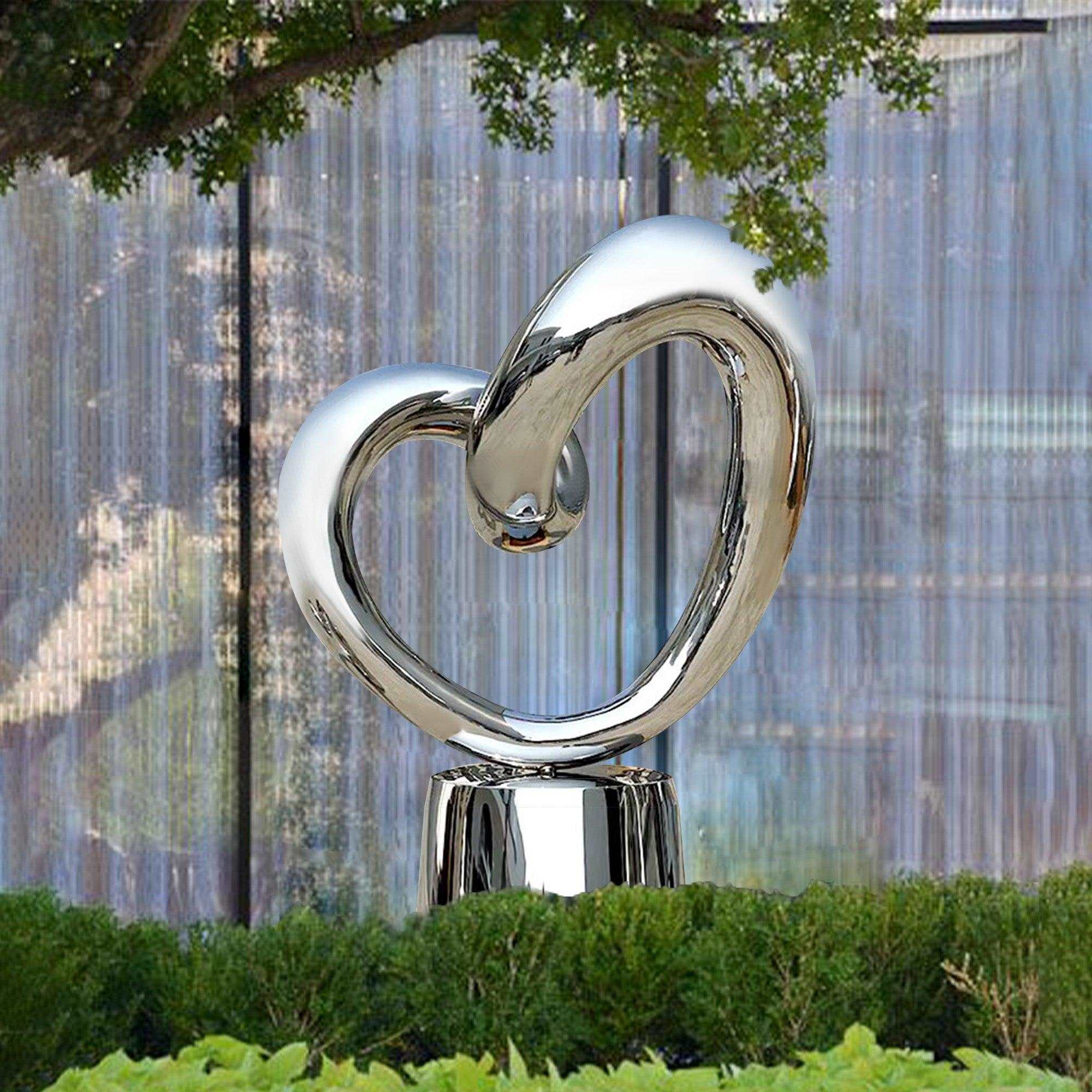
Stainless steel, while modern, often carries a cool, industrial feel that lacks the organic warmth needed for realistic figures. Bronze, however, gives the sculptor the freedom to work with the precision of a master draftsman, etching life-like realism directly into the metal.

Part 2: Inherent Strength: Embodying Dynamic Movement
Life is about motion, and bronze provides the structural integrity to freeze the most dynamic moments in time. This is where bronze's physical strength allows it to tell stories that other materials cannot.
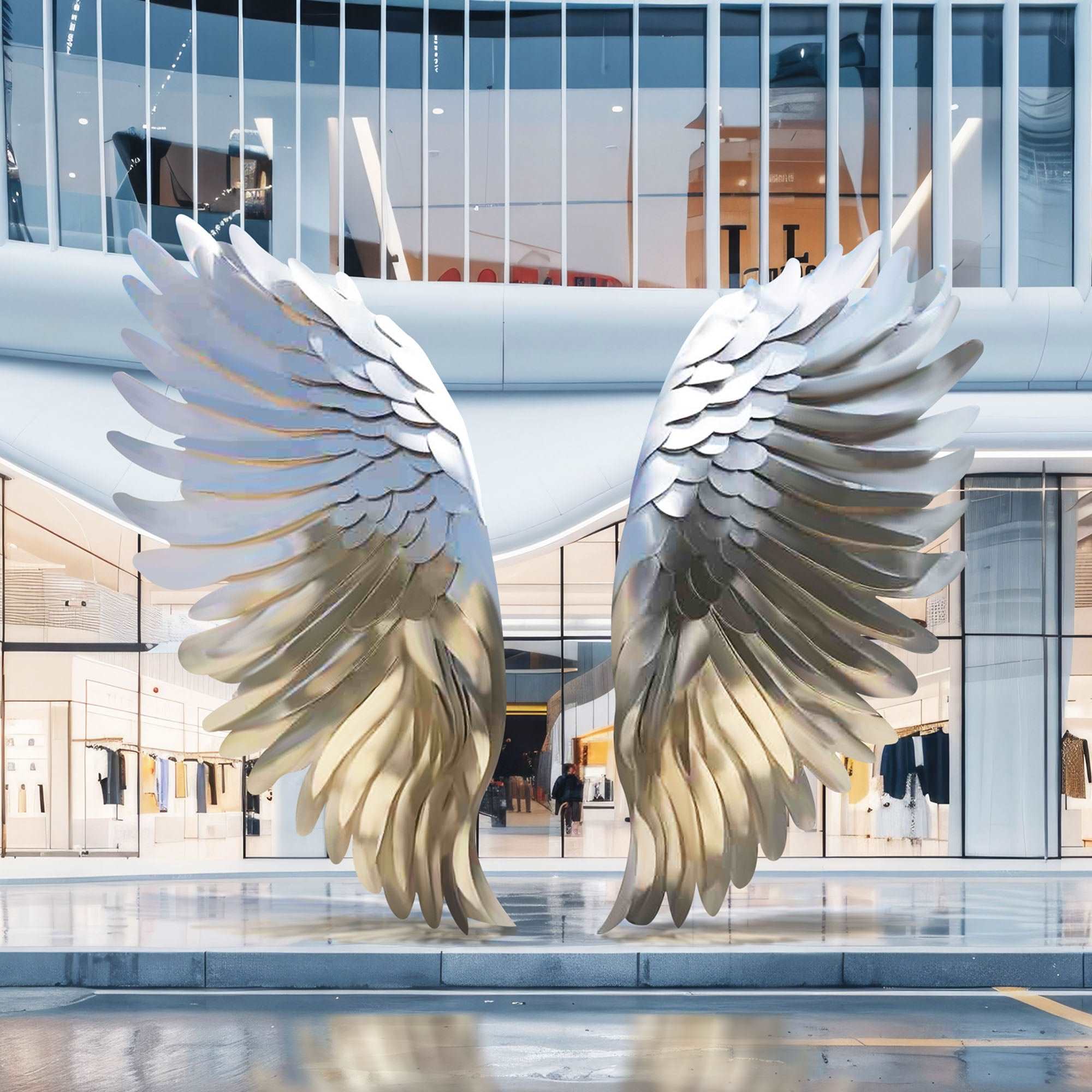
Classical marble statues often require strategic supports—a tree trunk beside a leg, heavy drapery bracing an arm—without which extended limbs would snap. Bronze liberates the artist. Its exceptional strength-to-weight ratio makes possible a rearing horse, an eagle with wings outstretched, or a dancer captured in a gravity-defying leap.
This dynamic freedom is made practical by the hollow casting process of the "lost wax" method. The resulting hollow interior makes large, complex sculptures feasible to create, transport, and install, without ever compromising their powerful, dramatic presence. Bronze provides the physical backbone for art that feels alive with energy.

Part 3: A Living Finish: The Warmth and Evolution of the Patina
A sculpture can be perfectly detailed and dynamically posed, but without warmth, it lacks soul. This is where bronze’s final, and perhaps most poetic, advantage comes into play: its surface, or patina.
The patina is far more than color; it's the sculpture's living skin. Through skilled chemical treatments, artists can make bronze mimic the very tones of life:
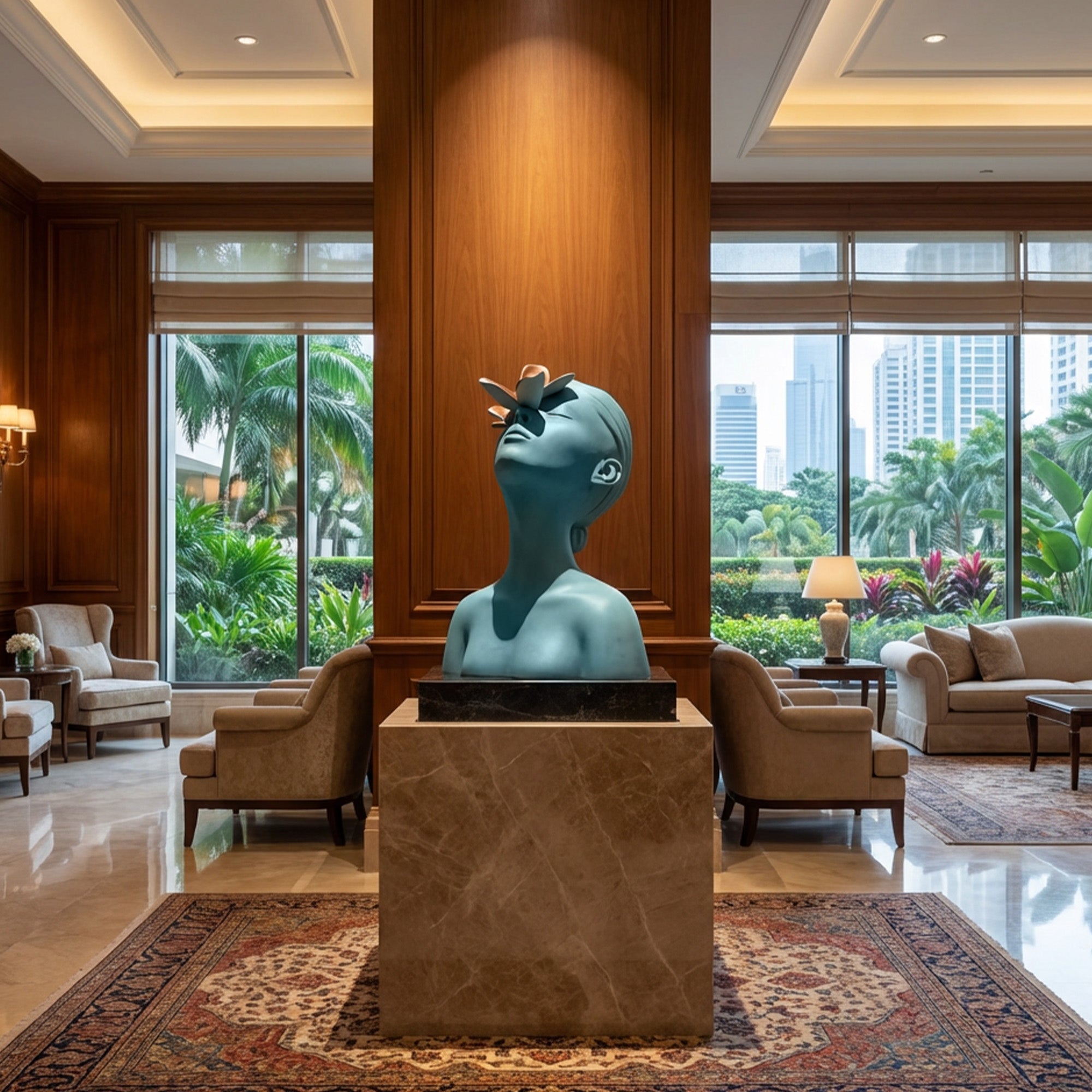
- Mimicking Life: They can create warm browns and coppers that echo human skin tones, or dark antique bronze, dark cyan bronze, and mottled patterns that replicate animal fur.
- Enhancing Form: Different finishes and highlights can be used to emphasize the contours of a muscle or the line of a jawbone, enhancing the three-dimensional, anatomical realism.

Furthermore, the natural, warm luster of bronze has an innate advantage over the cold glare of stainless steel or the rustic roughness of iron. Its glow is closer to the soft way light falls on skin and hair. And most beautifully, a bronze sculpture is never truly finished. Its patina evolves over time, growing richer and deeper. Like a living thing, it develops a unique history and character, ensuring that your piece remains a growing, changing heirloom for generations.
Bronze remains the gold standard for figurative and animal sculptures because it masterfully combines three essential qualities: the precision to capture life's finest details, the strength to hold its most dynamic poses, and the warm, evolving soul to make it feel truly alive. Explore our bronze sculptures collection and let us help you create a one-of-a-kind inheritable bronze sculpture.