





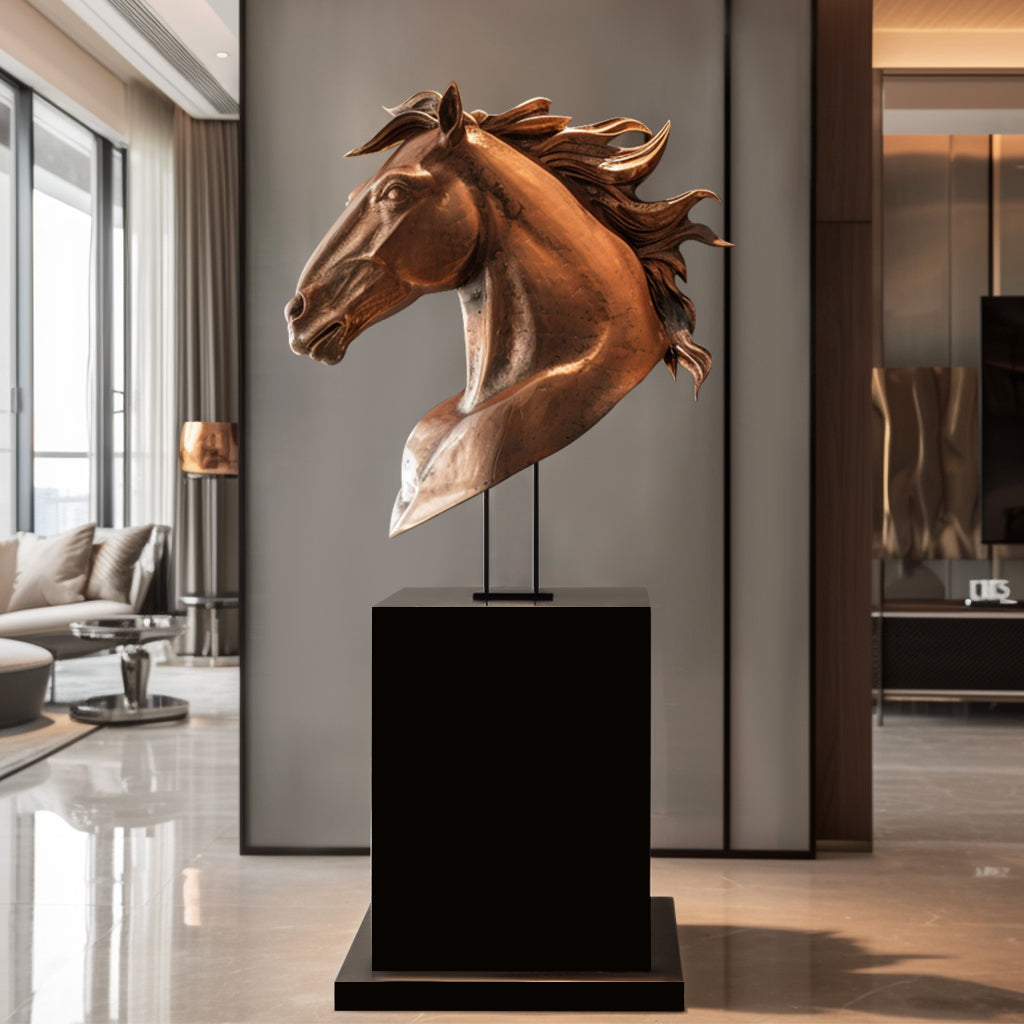


Maintenance Guide for Bronze Sculptures
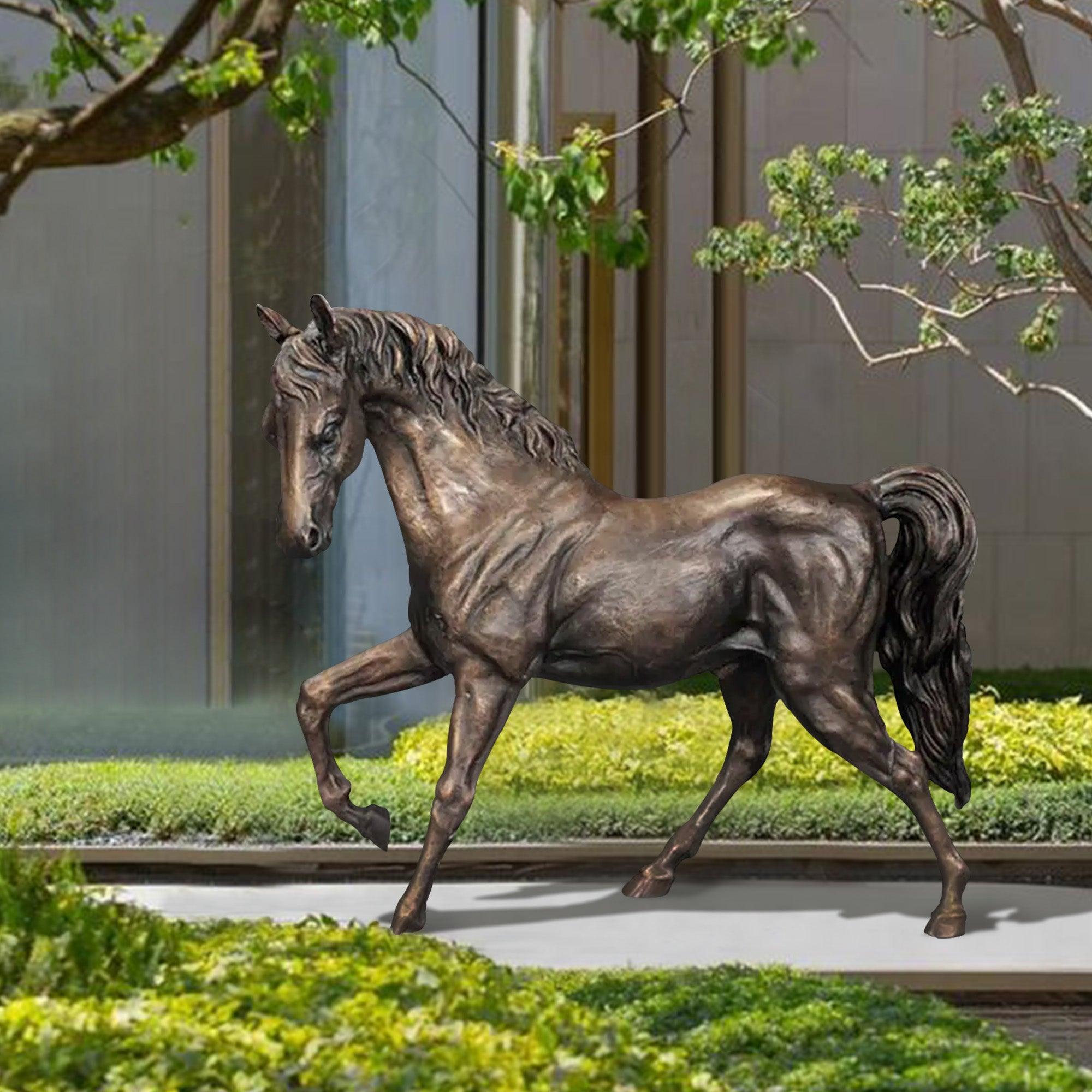
Bronze sculptures, whether displayed indoors or outdoors, can retain their original appearance with proper and periodic care. This guide will help you understand bronze’s nature and how to maintain its beauty and longevity.
Understanding Patina
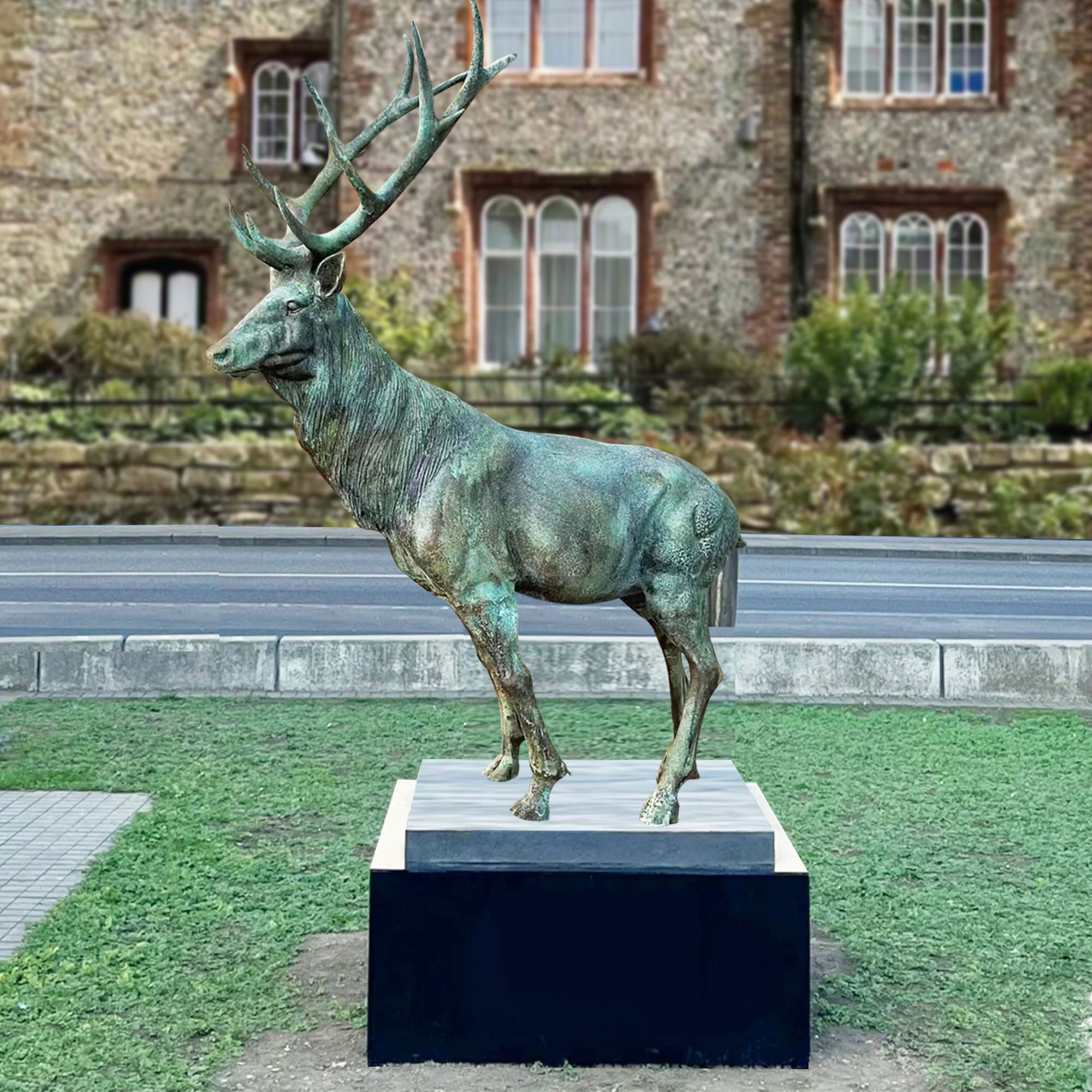
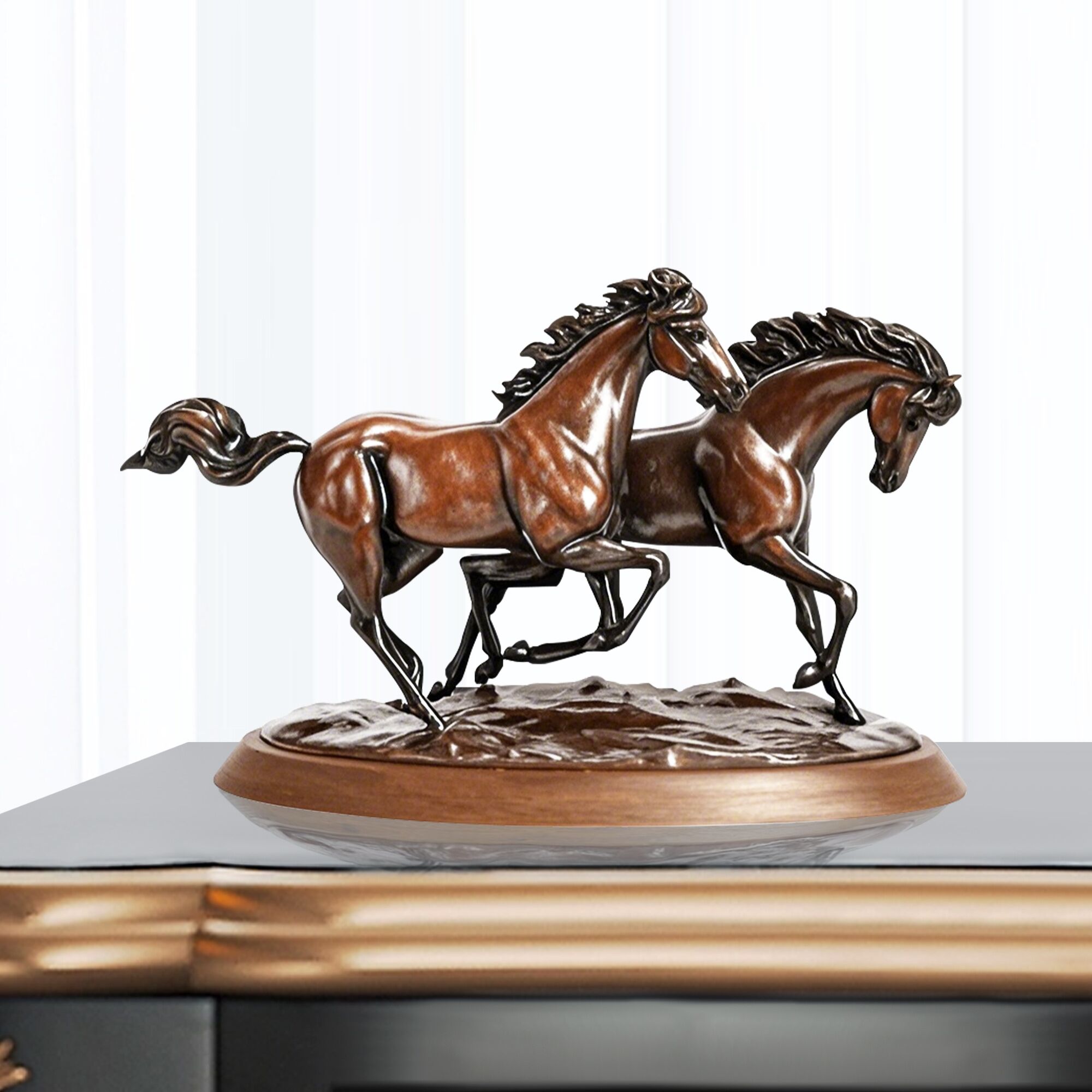
Patina is the color that develops on bronze from the chemical reactions between the metal and environmental elements or applied chemicals. It is not a paint but a thin conversion coat on the bronze surface. When bronze sculptures leave the foundry, they are coated with paste wax, which prevents oxidation. Over time, this wax wears off, and the bronze may begin to oxidize, aging the patina. Regular cleaning and waxing are crucial for maintaining the patina and ensuring the sculpture’s longevity.
Care Routine
Indoor Bronze Sculptures:
- Dust Removal: Dust every 8 weeks.
- Waxing: Apply wax every 12 months (minimum).
Outdoor Bronze Sculptures:
- Cleaning: Clean every 12 weeks.
- Waxing: Apply wax every 6 months (minimum).
Cleaning Steps:
-
Washing: Use warm water and ‘Turtle Wax’ or a similar mild cleaner. Wipe with a soft cloth. For stubborn dirt, use a soft non-wire brush or toothbrush. Rinse thoroughly to remove all soap residues.
-
Removing Stains: Quickly remove tree resin, bird droppings, or other residues using warm water. For persistent stains, gently scrape with a soft plastic spatula.
-
Drying: Allow the sculpture to dry completely. In warm weather, this should take a few hours. Ensure all moisture has evaporated from the metal’s pores.
Waxing Steps:
-
Preparation: Ensure the sculpture is clean and dry. For indoor sculptures, dust lightly and use a damp microfiber cloth if needed. For outdoor sculptures, follow the cleaning steps above.
-
Application: Apply a thin, even coat of wax using a soft bristle brush or soft shoe brush. Use a good commercial clear wax without spirits or turpentine, or Kiwi Shoe Polish (Dark Tan) for deeper bronze patinas. Apply in a circular motion, avoiding thick coats that may turn white or show brushstrokes.
-
Buffing: After the wax dries (approximately 20 minutes), buff to a gloss with a soft, clean cloth. For a higher gloss, you may use harder wax, but avoid rubbing too hard to preserve the patina.
Prohibitions
-
Avoid Chemicals: Do not use harsh chemicals, cleaning solutions, tarnish removers, or unknown substances. These can damage the patina.
-
Avoid Abrasives: Do not use abrasive pads, steel wool, or sandpaper, as these can scratch or mark the surface.
-
Avoid Harsh Environments: Prevent exposure to chemicals like fertilizers, chlorine, pesticides, or ammonia. These can adversely affect the patina.
Special Considerations
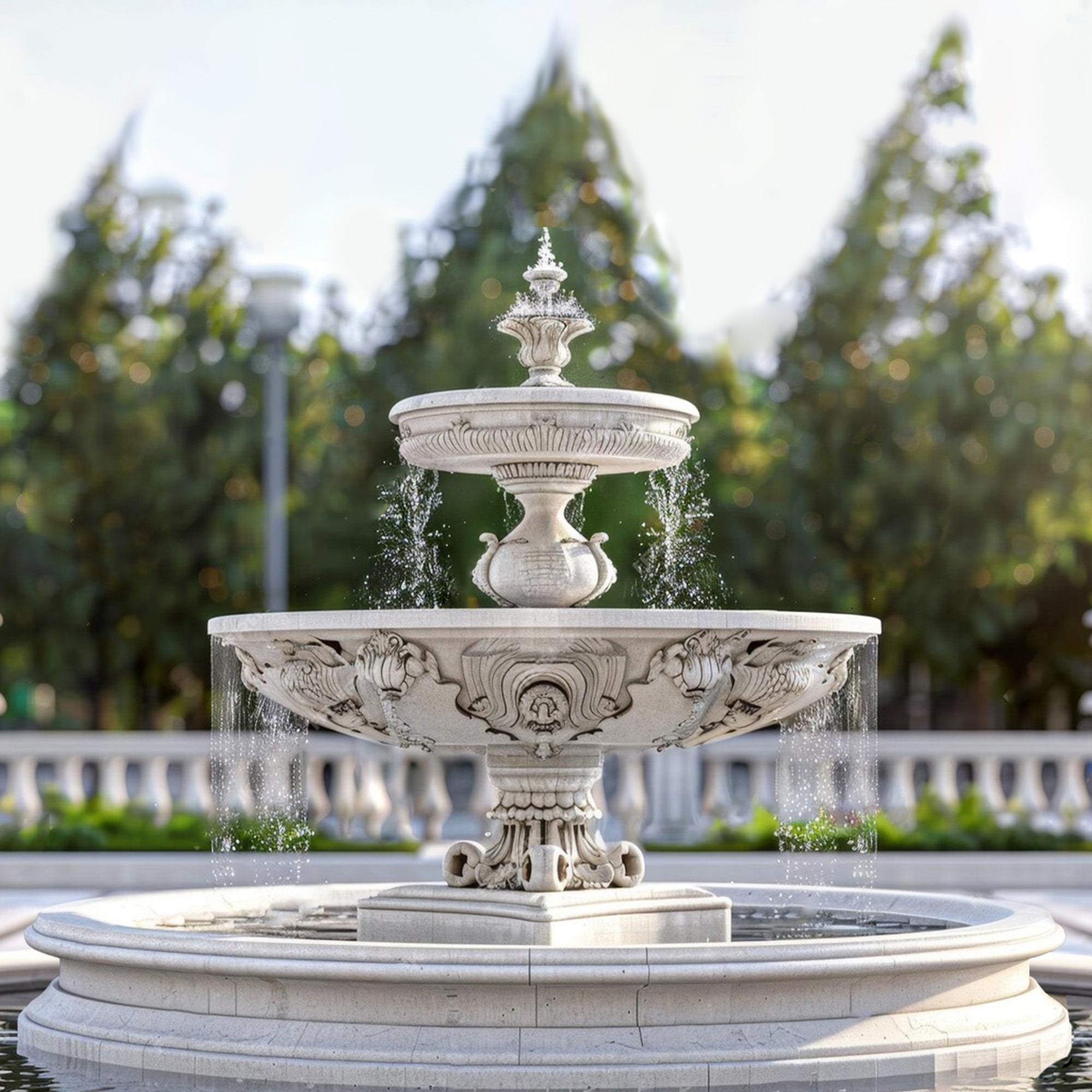
Fountain Settings:
- Frequency of Waxing: In a fountain setting, wax the sculpture more frequently (approximately every 2 months). Continuous water splash can cause discoloration, which is normal.
- Chlorinated Water: Avoid placing bronze sculptures in chlorinated water, as chlorine is corrosive and can erode the metal.
High Salt Content Environments:
- Salt Exposure: In coastal areas, salt-laden air accelerates patina changes, leading to colors like red or green. This is a natural process and may be considered aesthetically pleasing by some.
Natural Wear and Aging:
- Patina Mellowing: Over time, the patina will naturally mellow and deepen, which is part of the bronze’s charm. Frequent touching, nearby shrubbery, or bird activity can contribute to patina wear.
By following these guidelines, you can help preserve the beauty and integrity of your bronze sculpture for years to come. For any specific concerns or additional maintenance tips, please contact us at info@finestsculpture.com.